Ever tried explaining how long 30 feet is to someone planning a parking space, choosing a flagpole, or wondering if that massive RV will fit in their driveway? You’re not alone. This measurement comes up more often than you’d think—from backyard projects to vehicle purchases—and most of us struggle to picture it without a reference point.
Here’s the quick conversion: 30 feet equals 360 inches, 10 yards, or 9.14 meters (914.4 centimeters). That’s roughly the length of three compact cars parked bumper-to-bumper, or about the distance from home plate to first base on a youth baseball field.
Understanding this measurement helps you make smarter decisions when shopping for large items, planning outdoor spaces, or simply satisfying your curiosity about the world around you.
How 30 Feet Compares to People and Everyday References
Five 6-foot-tall adults standing on each other’s shoulders would reach exactly 30 feet. Picture five people, each as tall as an average man, stacked vertically.
Six doorways laid end-to-end would span about 30 feet, since standard interior doors measure roughly 6 feet 8 inches tall. If you’ve walked through your home recently, multiply that doorframe height by four and a half.
Ten adult stride lengths get you close to 30 feet. The average person’s walking stride is about 2.5 to 3 feet, so twelve comfortable steps forward will cover this distance.
Kids or Pets Running: Imagine a small child running from one end of a playground to the other, or a medium dog chasing a ball—it’s about 30 feet! This helps visualize long distances in a fun, everyday way.
13 Real Objects That Are 30 Feet Long (Or Close to It)
| Object | Category | Measure/Dimension |
| Class A Motorhome | Vehicles & Transportation | 30 feet long |
| Six Standard Bicycles | Sports & Recreation | 30-34 feet (lined up) |
| Adult Female Giant Squid | Marine Life | 30-33 feet (with tentacles) |
| Adult Whale Shark | Marine Life | 30 feet long (average) |
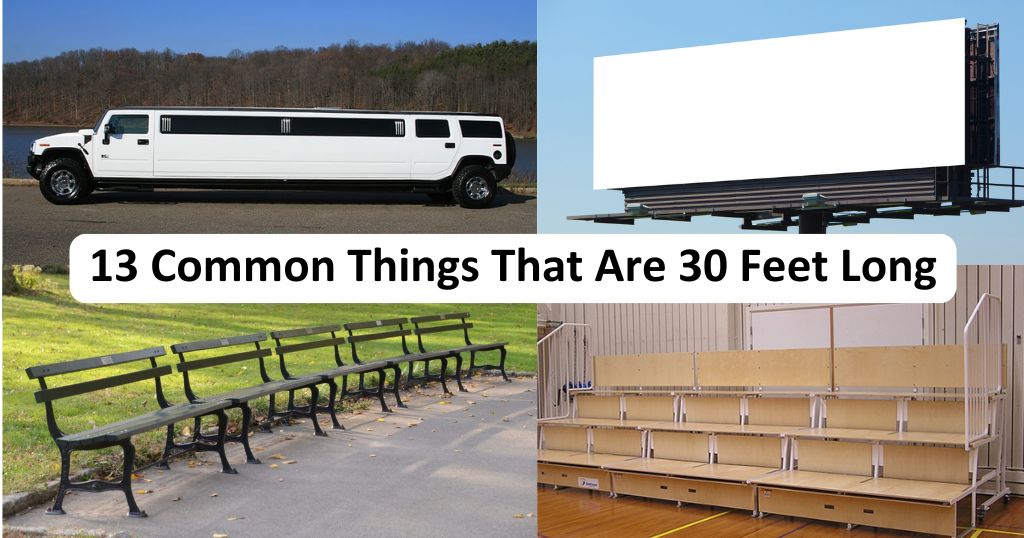
| Five Park Benches | Outdoor Furniture | 30 feet (5 × 6-foot benches) |
| Commercial Flagpole | Outdoor Installations | 30 feet tall |
| Medium Billboard | Advertising & Signage | 10 feet × 30 feet |
| Large Backyard Slip ‘N Slide | Outdoor Recreation | 30 feet long |
| Three-Outlet Extension Cord | Home & Tools | 30 feet long |
| Mature Apple Tree | Plants & Landscaping | 20-30 feet tall |
| Super Stretch Limousine | Luxury Vehicles | 30+ feet long |
| Small Spectator Bleachers | Sports Equipment | 30 feet long (5-row) |
| Half a Bowling Lane | Sports & Recreation | 30 feet (foul line to midpoint) |
1. Class A Motorhomes (Recreational Vehicles)
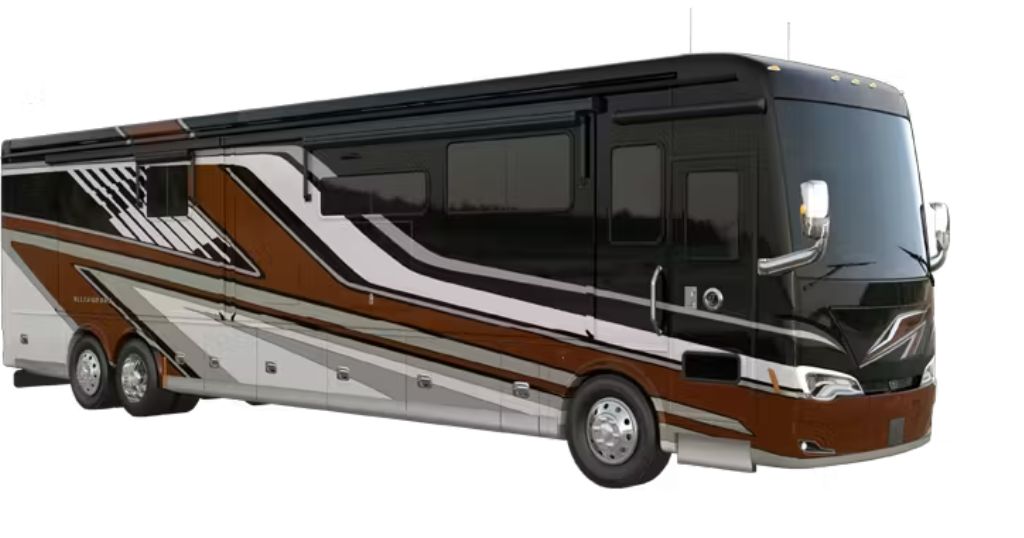
Many Class A motorhomes measure exactly 30 feet long, sitting in the sweet spot between compact maneuverability and luxury living space. While these RVs can range from 26 to 45 feet, the 30-foot models offer full kitchens, bathrooms, and sleeping areas without requiring a commercial driver’s license.etch limos frequently measure 30 feet or longer, accommodating 10 to 20 passenger
If you’re shopping for one, measure your driveway and garage clearance first. Most residential driveways can accommodate this length, but tight campground turns require practice. Check local parking ordinances too—some neighborhoods prohibit vehicles extending past property lines.
2. Six Standard Bicycles Lined Up
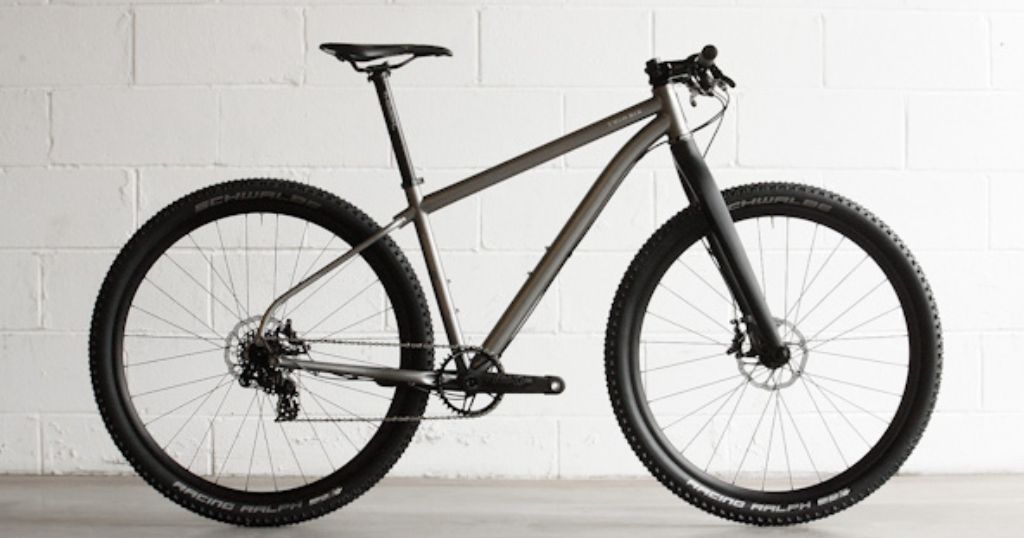
Placing six adult bicycles end-to-end creates a 30 to 34-foot line, since most standard bikes measure 68 to 69 inches (about 5.7 feet) from front wheel to rear wheel. This comparison works great for visualizing parking lot distances or measuring a bike path section in your neighborhood.
You can actually test this at home if you have a few bikes in the garage. Lay them out in your driveway to see exactly how much space 30 feet occupies in a real-world setting.
3. Adult Female Giant Squid (With Tentacles)

A full-grown female giant squid stretches 30 to 33 feet from the tip of her body to the end of her longest tentacles. These deep-sea creatures rarely surface, but when specimens wash ashore, they’re often close to this size—making them longer than most school buses.
The next time you see a large RV or limousine on the road, imagine that same length swimming silently through the deep ocean. It puts the scale of marine life into perspective in a way that numbers alone can’t capture.
4. Average Adult Whale Shark

Whale sharks commonly reach 30 feet in length, though they can grow much larger—up to 60 feet in exceptional cases. At 30 feet, you’re looking at the typical adult size for these gentle filter-feeding giants.
Despite their enormous size, whale sharks pose zero threat to humans and feed exclusively on plankton and small fish. Divers often swim alongside these creatures, and at 30 feet, the shark is roughly as long as three full-size sedans parked in a row.
Read Also: How Long Is 100 Feet? 13 Common Comparisons That Are 100 Feet Long
5. Five Park Benches in a Row
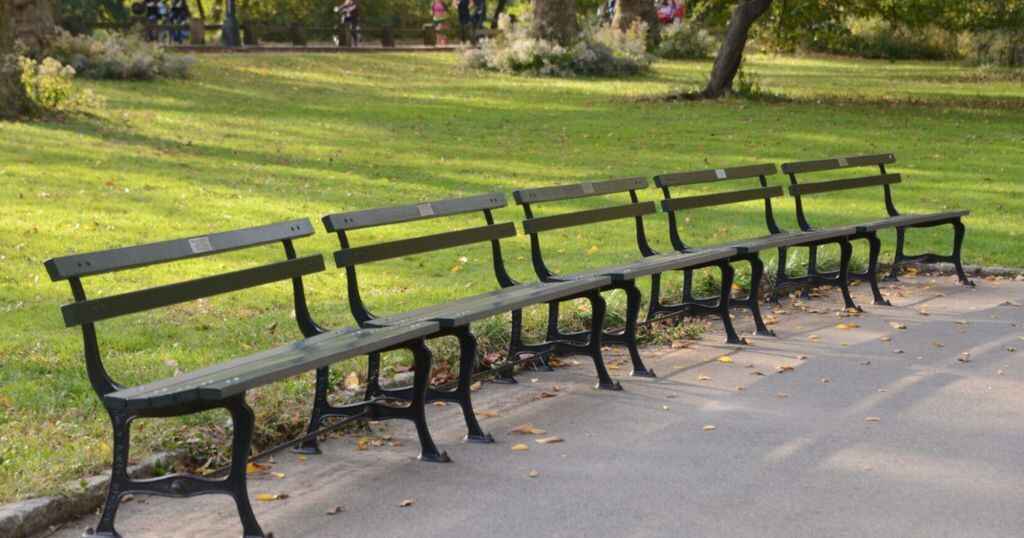
Line up five standard 6-foot park benches, and you’ve got 30 feet of seating. This setup is common in public parks, transit stations, or outdoor event spaces where continuous seating is needed along walkways or viewing areas.
City planners use this configuration for promenades, waterfronts, and pedestrian zones. It provides ample resting space while maintaining a clean visual line that doesn’t overwhelm the landscape.
6. Mid-Sized Flagpole for Commercial Buildings

A 30-foot flagpole is the go-to choice for two- to three-story office buildings, schools, and retail centers. It provides clear visibility from the street without overwhelming the property—perfect for displaying national, state, or company flags with professional presence.
Installation requires concrete footing that extends 3 to 4 feet underground for stability. Check local wind ratings before installation, especially in coastal areas where sustained winds can stress the pole and rigging. Most 30-foot poles can handle flags up to 5 feet by 8 feet comfortably.
7. Standard Medium Billboard (10 feet × 30 feet)
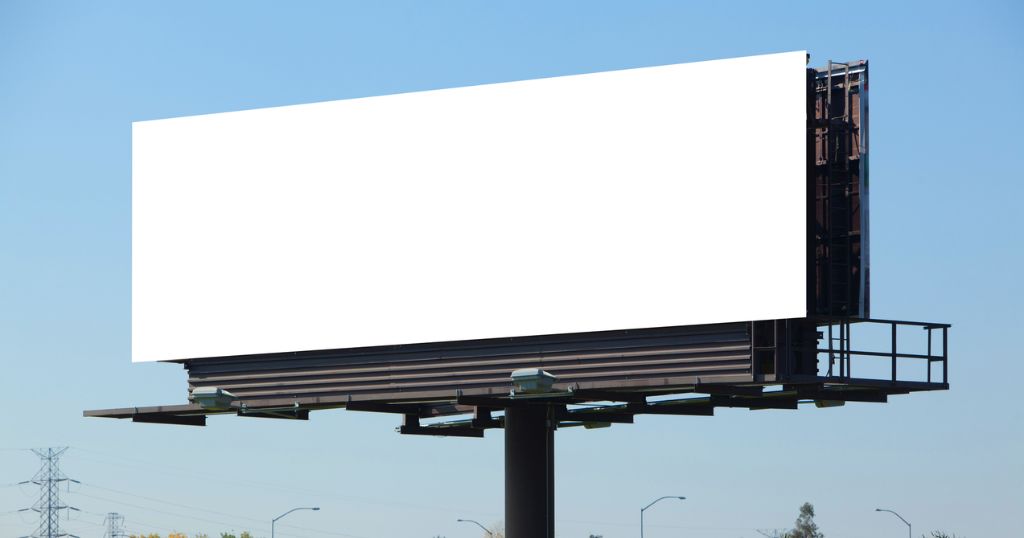
Most medium-sized billboards measure 10 feet high by 30 feet wide, giving advertisers 300 square feet of display space. You see these along city streets, highways, and commercial districts—they’re large enough to catch attention from moving vehicles but cost less than the massive highway bulletins.
The 30-foot width allows for readable text at highway speeds while fitting on single support columns. Advertisers can fit about 7 to 10 words of large text across that span, making it ideal for brand awareness campaigns rather than detailed messaging.
8. Large Backyard Slip ‘N Slide
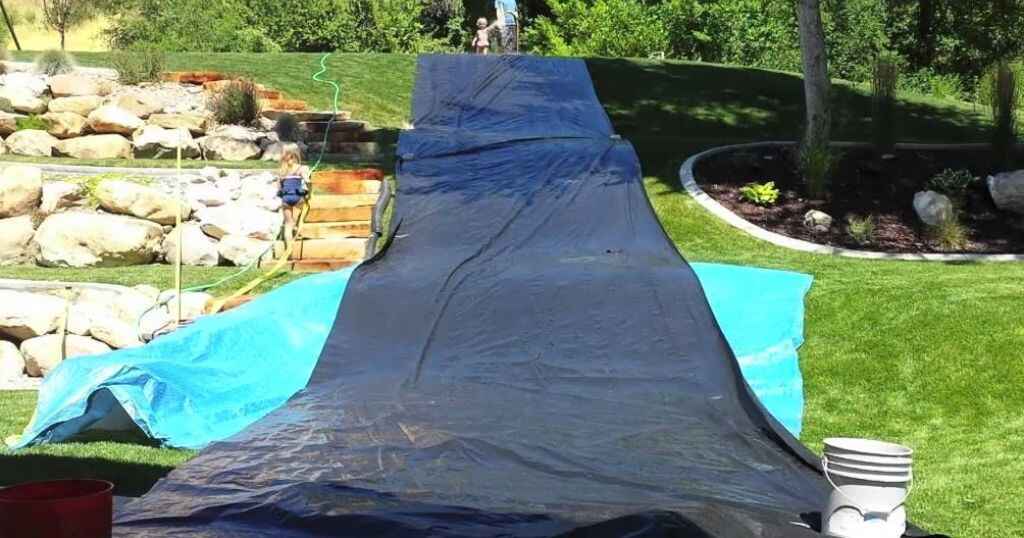
Many “Giant” or “Large” slip ‘n slide models sold for backyard use stretch exactly 30 feet, often featuring double racing lanes and built-in sprinkler systems. These need a relatively flat, obstacle-free lawn area, so measure your yard’s longest clear section before purchasing.
You’ll want about 5 extra feet at the end for safe stopping distance, meaning you need a 35-foot clear zone total. Set these up on a gentle slope if possible—even a 2-degree incline makes a noticeable difference in sliding speed and distance.
9. Three-Outlet Extension Cord (30-Foot Length)
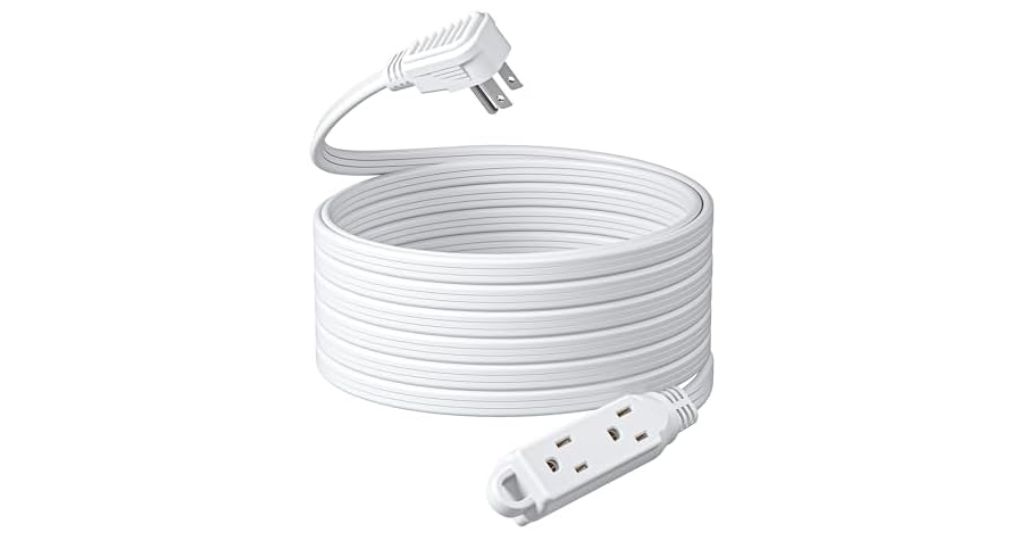
Extension cords in 30-foot lengths are popular for both indoor and outdoor use, letting you reach from garage outlets to driveway work areas or from kitchen counters to backyard patios. Always check the cord’s amp rating matches your tool’s power draw to prevent overheating.
A 30-foot cord gives you enough reach for most residential projects without the tangling mess of longer cords. Look for 12-gauge wire if you’re powering saws, compressors, or other heavy-duty tools—thinner 16-gauge cords work fine for lights and smaller devices.
10. Standard Mature Apple Tree

Traditional apple tree varieties (non-dwarf) typically grow 20 to 30 feet tall in mature orchards, especially when unpruned for decades. If you’ve visited an old farm with heritage apple trees, that’s roughly the canopy height you’d see.
Trees this tall require ladders for harvesting upper branches, which is why commercial orchards now favor dwarf varieties that max out at 10 to 15 feet. The 30-foot trees produce more fruit overall, but the labor costs and safety concerns make them less practical for modern operations.
11. Super Stretch Limousine
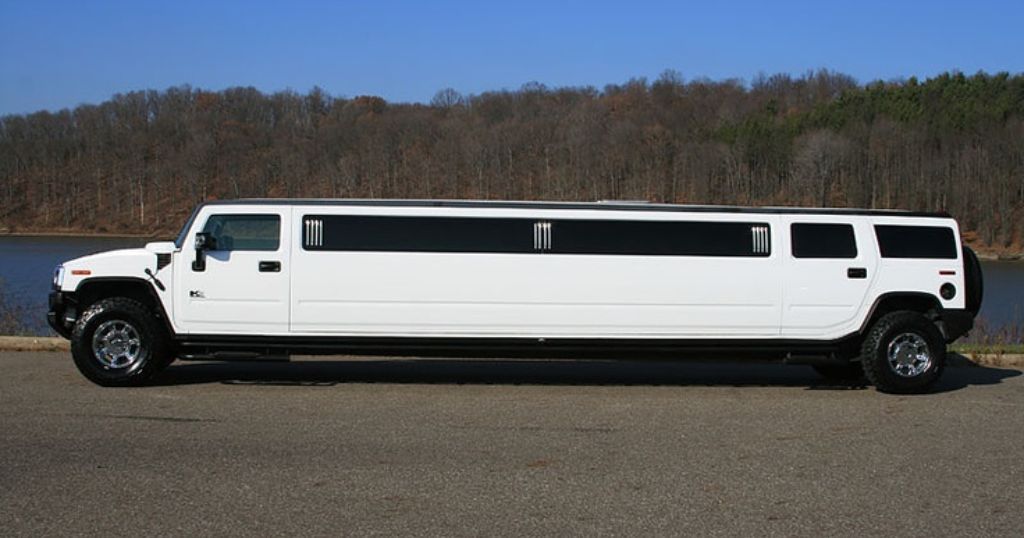
Super stretch limos frequently measure 30 feet or longer, accommodating 10 to 20 passengers with amenities like bars, entertainment systems, and mood lighting. These extended vehicles need wide turning radiuses, so drivers must plan routes carefully around tight city corners.
Most are built on extended truck chassis, which gives them stability but makes parking a challenge. You won’t find many parking garages or lots that can accommodate a 30-foot limo, so these vehicles typically drop passengers curbside rather than parking.
Read Also: How Long Is 50 Feet? Real-World Ways to See, Feel, and Use This Distance
12. Small Spectator Bleachers (5-Row Models)
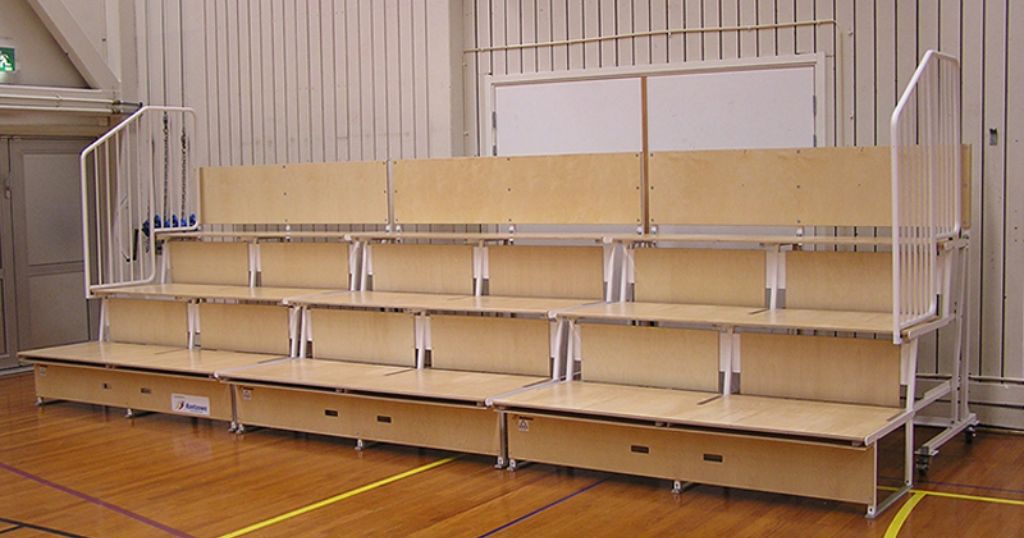
Portable or permanent bleachers designed for small crowds often come in 30-foot lengths, providing seating for about 50 to 75 people across five elevated rows. Schools, community fields, and recreational facilities use these for youth sports, practices, and local events where full stadium seating isn’t needed.
Each row seats roughly 10 to 15 people when you account for 18 to 24 inches per person. The 5-row height keeps the structure stable without requiring extensive foundation work, making them easier to install and relocate as needed.
13. Half a Bowling Lane (From Foul Line to Pin Deck)
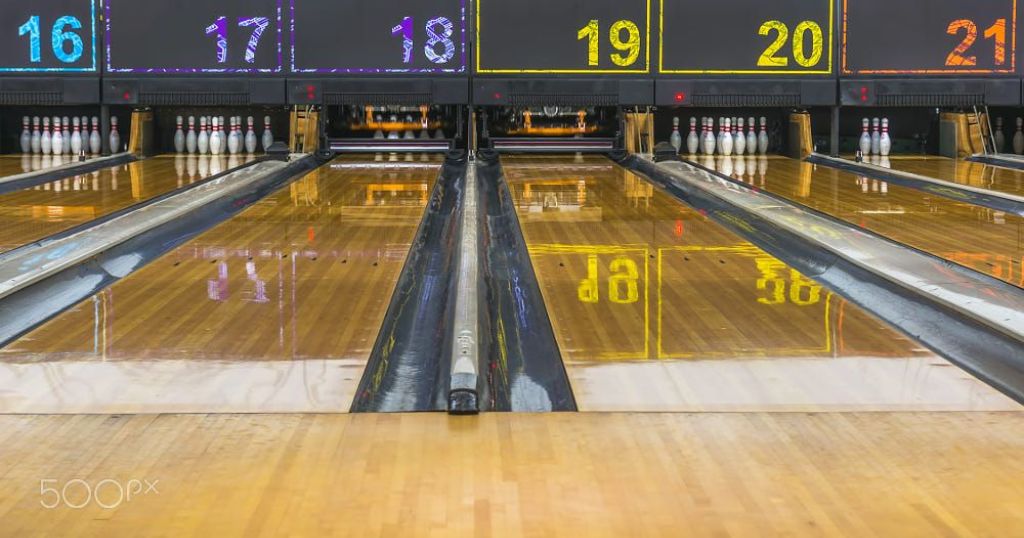
A regulation bowling lane measures 60 feet from the foul line to the headpin, so 30 feet takes you exactly halfway—right about where your ball reaches maximum speed before beginning to hook. This mental image helps bowlers understand lane oil patterns and ball reaction zones.
The first 30 feet of a lane is where oil is heaviest, protecting the wood from ball impact. Past that midpoint, the lane is drier, which is where your ball starts grabbing the surface and curving toward the pocket. Understanding this distance helps you choose the right ball and release point.
Practical Tips for Measuring and Visualizing 30 Feet
Use What’s Around You
Don’t have a tape measure handy? Count off twelve walking steps at your normal pace. Most adults cover 2.5 feet per stride, getting you close to 30 feet. You can also use your car—most sedans are 15 to 16 feet long, so two cars equal 30 feet.
Check if Large Items Fit Before Buying
Purchasing a 30-foot RV, boat trailer, or equipment? Use chalk or spray paint to mark 30 feet on your driveway to see exactly how much space it occupies. This prevents expensive surprises on delivery day.
Smartphone Measuring Apps
Free apps like Measure (iOS) or Google Measure use your phone’s camera and sensors to calculate distances. While not perfectly accurate, they’ll get you within a foot or two for quick estimates of yard space, parking areas, or room dimensions.
The Two-Person String Method
Grab a ball of string or rope and have a helper hold one end. Walk backward until you’ve taken twelve normal steps (about 30 feet), then cut the string. You now have a reusable 30-foot measuring tool for yard projects, garden planning, or event setup.
Parking Lot Reference
Standard parking spaces are about 18 feet long. Two spaces minus a bit gets you right around 30 feet—useful for estimating trailer lengths, boat sizes, or RV parking needs when shopping.
Frequently Asked Questions
How do you write 30 feet correctly?
Write it as “30 feet,” “30 ft,” or “30′” in technical documents. The single apostrophe (‘) is the standard abbreviation for feet in architectural and construction contexts.
How many meters is 30 feet?
30 feet equals 9.14 meters (or 914.4 centimeters). To convert quickly, multiply feet by 0.3048 to get meters.
How tall is a 30-foot building?
A 30-foot building is roughly three stories tall, since each story averages 10 feet (including floor thickness and ceiling space). This is typical for small apartment buildings, townhomes, or commercial structures.
How many square meters is a 30-foot area?
This depends on the shape. A 30-foot by 30-foot square equals 900 square feet or 83.6 square meters. A 10-foot by 30-foot rectangle equals 300 square feet or 27.9 square meters.
Can a 30-foot RV fit in a residential driveway?
Most single-family driveways are 20 to 24 feet long, so a 30-foot RV will overhang into the street. Measure your specific driveway and check local parking ordinances before purchasing.
What’s 30 feet in inches?
30 feet equals 360 inches. Multiply any foot measurement by 12 to convert to inches (30 × 12 = 360).
How can I visualize 30 feet without measuring?
Picture three mid-size SUVs parked end-to-end, five tall adults lying head-to-toe, or the width of a medium highway billboard. Walk it off—twelve normal walking steps cover about 30 feet.
Key Takeaways: Making 30 Feet Make Sense
30 feet is a big but understandable size—like a billboard or five adults stacked. Use familiar objects or your stride to picture it, making it easier to plan spaces or buy large items.

I am the editor and author of StoriesRadius.com, a blog about measurements and dimensions. I enjoy turning numbers and sizes into simple stories that anyone can understand. From everyday objects to curious facts, I share clear guides based on real research and experience. My goal is to make learning about length, height, and size fun, useful, and easy for all readers.