You’re mid-recipe and it calls for a #2.5 can of tomatoes. You’re staring at a shelf of 28 oz cans wondering if that’s the same thing. Or you’re meal prepping for a crowd and have no idea whether one #10 can is enough or way too much.
The can size system isn’t complicated once someone breaks it down clearly. But most labels skip the explanation entirely. Here’s what you actually need to know.
The Numbering System Makes No Intuitive Sense — Here’s Why
A #2 can doesn’t hold two ounces. A #10 isn’t ten servings. These numbers came from a volume-based naming system used in the 1800s when commercial canning started. The names survived long after the original meaning faded.
What the numbers actually correspond to now are physical dimensions — diameter and height. Manufacturers use codes like “303 x 406” where each part describes the can’s size in inches and sixteenths of an inch. So 303 means 3 and 3/16 inches wide. The 406 means 4 and 6/16 inches tall.
Practically speaking, you don’t need to decode these codes at the store. But knowing they exist explains why two cans with different labels can hold the same ounces, and why “standard” means different things in different contexts.
The Sizes, Laid Out Simply
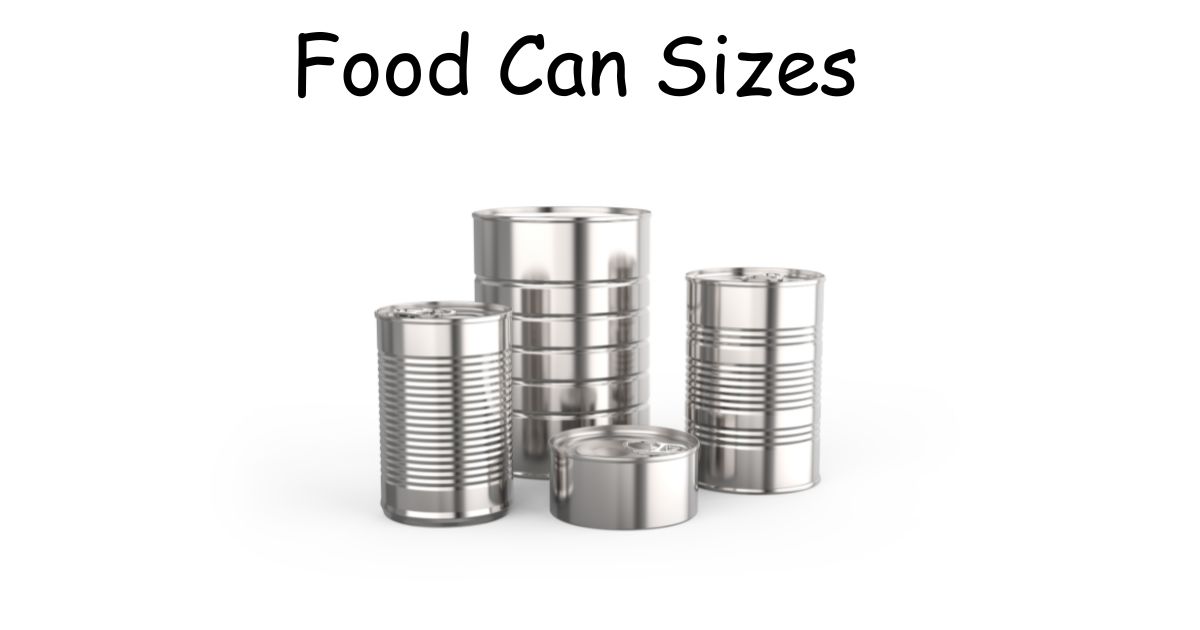
This covers the most common food can sizes, their actual dimensions in both inches and centimeters, and what you’d typically find inside them.
| Can Size | Inches (D x H) | cm (D x H) | Ounces | Cups | Typical Contents |
| #1 Picnic | 2 11/16 x 4 | 6.8 x 10.2 | 10–12 | 1.25–1.5 | Soups, fruits, veggies |
| 300 | 3 x 4 7/16 | 7.6 x 11.3 | 14–16 | 1.75–2 | Single-serve soups, veggies |
| #2 | 3 7/16 x 4 9/16 | 8.7 x 11.6 | 14–16 | 1.75–2 | Beans, corn, tomatoes |
| #2.5 | 4 1/16 x 4 11/16 | 10.3 x 11.9 | 26–28 | 3.25–3.5 | Stews, crushed tomatoes, fruit |
| #3 | 4 7/16 x 4 15/16 | 11.3 x 12.5 | 32–33 | 4 | Fruit cocktail, large beans |
| #5 | 5 1/16 x 5 7/16 | 12.9 x 13.8 | 56–59 | 7 | Fruit salads |
| #10 | 6 3/16 x 7 | 15.9 x 17.8 | 102–109 | 12–13.5 | Bulk sauces, institutional veggies |
One thing to notice: the 300 and #2 cans carry almost identical ounce counts but look slightly different in shape. The 300 is shorter and wider. For recipes, they work the same way. For shelving and storage, they stack differently.
Read Also: White Claw Sizes: Every Can Size, Calories & Dimensions Explained
What Each Size Is Actually Used For in Real Life
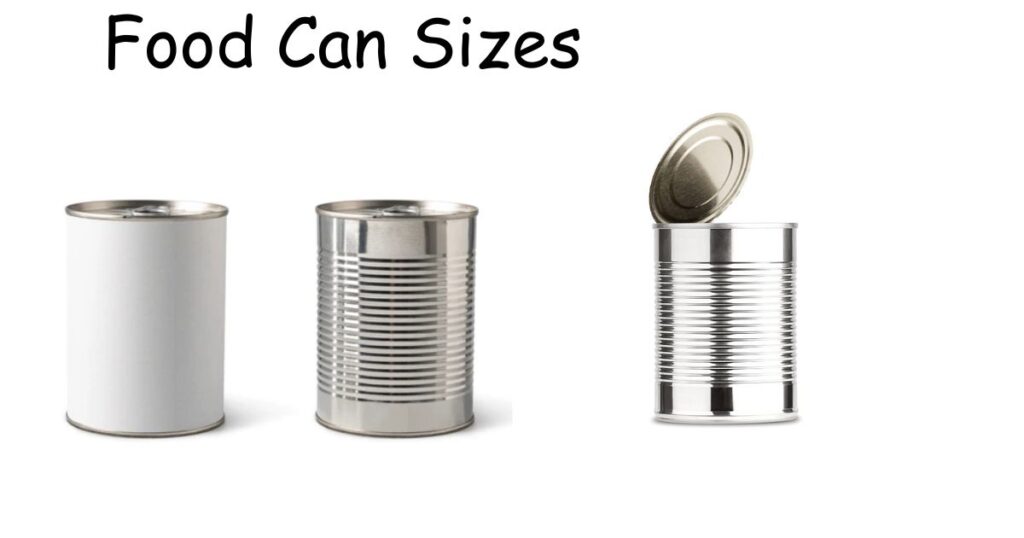
The #1 Picnic can is what you grab when you’re cooking for one or making a small pot of soup. It’s the smallest widely available size — think single-serving or a light side dish.
The #2 is the workhorse of the grocery store. Almost every recipe that says “one can of beans” or “one can of corn” is referring to this size. Around 15 ounces, fits in your hand, and priced for everyday shopping.
The #2.5 is where things get more useful for families. A 28 oz can of crushed tomatoes in this size is enough for a pasta sauce feeding five or six people from one container. No doubling up, no leftovers from an opened second can sitting in the fridge.
The #3 shows up less often in regular grocery stores. You’ll see it in specialty or restaurant supply stores for things like large-batch fruit prep or bulk beans.
The #10 is restaurant territory. At roughly 13 cups, one can feeds a crowd. A deli running a salad bar, a catering team prepping for 50 guests, a school cafeteria — that’s who this can is built for. Home cooks occasionally buy them for bulk prep and freezing, but it takes planning.
The Part Nobody Talks About: Drained Weight
The ounces printed on a can label include the liquid. The water, brine, or syrup packed around the food counts toward that total weight.
Drain it out, and you’re left with noticeably less. Usually 20 to 30 percent less.
A 15 oz can of black beans gives you roughly 10–11 oz of actual beans once drained — about 1.75 cups. That’s still plenty for tacos or a soup serving four, but it’s not 15 oz of solid food.
This matters most in baking or any recipe where your liquid-to-solid ratio affects the outcome. If a recipe says “15 oz beans, drained” — it wants 1.75 cups of beans, not a full can poured in. Worth re-reading labels before you assume.
Buying in Bulk: The Real Math
A #10 can almost always costs less per cup than buying multiple smaller cans of the same thing. One #10 equals roughly eight to ten #2 cans in volume. If you’re buying for a large household, running meal prep for the week, or building an emergency pantry — the bulk math works in your favor.
For a single person or couple, though, opening a #10 can of anything creates a storage problem fast. Most canned foods last only 4–5 days refrigerated once opened. And you should always transfer the leftovers to a separate container — keeping food in the opened can can affect the taste over time.
If freezing works for your situation, #10 makes sense even for smaller households. Thirteen cups of pumpkin puree divides into about eight 1.5-cup portions. Freeze them individually and you’ve got pumpkin ready to go all winter.
Substituting Sizes Without Wrecking the Recipe
No #2.5 on the shelf? Two #2 cans get you to about 28–30 oz, which is close enough for most recipes. Just know you’re adding a bit more liquid than the original can would have. If the dish is a thick sauce or baked good, drain one of the cans slightly before adding.
Need to scale down from a #10? Eight #2 cans roughly match the volume. Time-consuming to open, but it works when a recipe was written for catering quantities and you’re scaling for home use.
Going the other direction — scaling up a home recipe for a large event — one #10 replaces those eight smaller cans and cuts your labor considerably.
Beans Specifically, Since That’s What Most People Are Searching
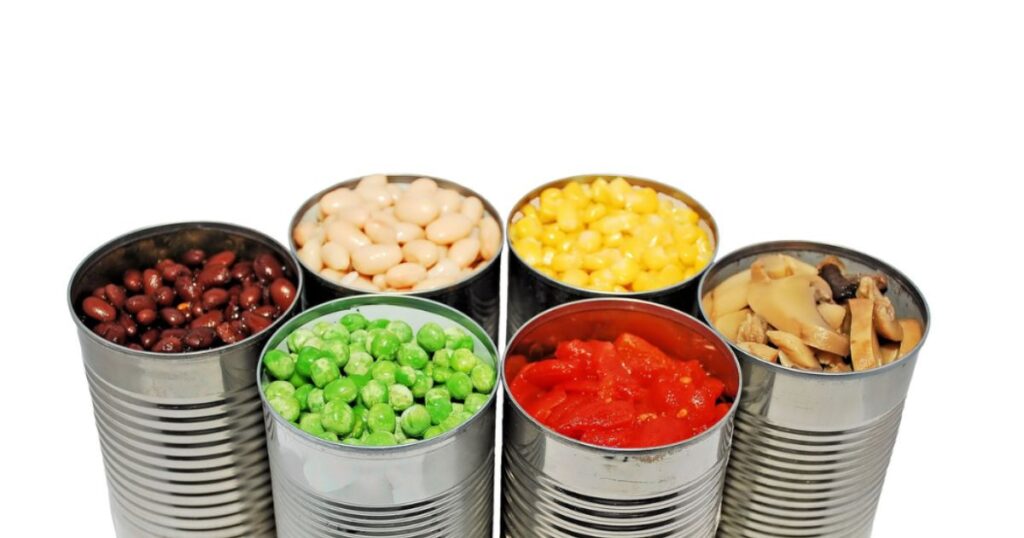
For regular home cooking, the #2 (15 oz) is the go-to. One can, drained, yields about 1.75 cups of cooked beans. That’s right for tacos serving three to four, a pot of soup, or a grain bowl for two.
Restaurant delis and cafeterias use #10 cans of beans — about 7 to 8 lbs drained per can. That handles a full day of service without restocking.
Some specialty bean products come in smaller formats. Chickpeas sometimes appear in 7 oz cans with a slightly taller, narrower profile, designed for single-use salads or small recipes. These use a different can code entirely (8Z or 211 x 304) but show up less often in general grocery stores.
Converting to Metric When You Need It
Multiply any inch measurement by 2.54 to get centimeters.
A #2 can at 3 7/16 inches wide converts to about 8.7 cm — fits in most standard pots without issue. A #10 at 6 3/16 inches wide is 15.9 cm — that’s what industrial stock pots and mixers are sized around.
For weight conversions: one ounce equals 28.35 grams. A standard 15 oz bean can is approximately 425 grams. A full #10 at 109 oz is just over 3 kg.
If you’re working from a European recipe that calls for a “standard tin,” that usually matches closest to the #2 size — around 400 grams net weight.
The Mistakes Worth Knowing Before You Shop
Confusing net weight with drained weight is the most common one. It catches people off guard in recipes where the liquid isn’t part of the dish.
Assuming all 15 oz cans are the same shape is another. The #2 and 300 both land around 15 oz but differ in height. That changes how they pour and how they fit on a shelf, even if the recipe outcome is identical.
Overbying #10 without a storage plan leads to waste. Once opened, 13 cups of anything is a commitment. Know what you’re doing with the rest before you crack it.
Ignoring the difference between #2 and #2.5 in baking specifically. Twelve ounces is a significant difference when you’re measuring liquid in a batter or dough. These two aren’t interchangeable in precision recipes.
Read Also: Chip Bag Sizes: What the Numbers Actually Mean Before You Buy
Quick Answers to Common Questions
What does “standard can size” mean in a recipe?
It almost always means a #2 — 14 to 15 oz. That’s the most common size sold in grocery stores and the one assumed when a recipe doesn’t specify further.
Are tin can dimensions the same across brands?
Yes. Can dimensions are standardized across manufacturers. A #10 from one brand is the same physical size as a #10 from another, even if the content weight varies slightly by product.
How long do unopened cans last?
Most canned foods are shelf-stable for 2 to 5 years when stored in a cool, dry place. #10 cans with seamless seals tend to hold up especially well for long-term storage.
What’s the easiest way to check can size without knowing the code?
Just check ounces. Match those to the chart above and you’ll know the size. The code is there for manufacturers — you mostly just need the ounce count to match recipes.
What to Actually Focus On
You don’t need to memorize can codes or do math at the store. Know that most everyday recipes use a #2 (around 15 oz) or a #2.5 (around 28 oz). Know that drained weight is less than the label says. Know that a #10 is for feeding crowds, not weeknight dinners — unless you have a freezer plan.
That covers the situations most people actually run into. Everything else is just details you can look up if a specific situation calls for it.

I am the editor and author of StoriesRadius.com, a blog about measurements and dimensions. I enjoy turning numbers and sizes into simple stories that anyone can understand. From everyday objects to curious facts, I share clear guides based on real research and experience. My goal is to make learning about length, height, and size fun, useful, and easy for all readers.