Scrolling through furniture listings at midnight, you find the perfect bookshelf—but the listing just says “54 inches tall.” Will it fit under your sloped ceiling? Block the window? Tower awkwardly next to your couch?
Here’s what you need to know: 54 inches equals 4 feet 6 inches (or about 137 centimeters, roughly 1.37 meters, and approximately 1.5 yards). For most adults, this measurement hits somewhere between mid-chest and shoulder height—a “just right” zone that balances function with visual comfort.
Whether you’re measuring for clearance, checking furniture proportions, or just trying to picture the scale without hunting for a tape measure, these 11 comparisons will give you an instant mental image.
Where 54 Inches Actually Lands on Real People
Before you start estimating with objects around the house, use yourself as the ruler. Here’s exactly where a 54-inch mark falls on different body types:
For a 10-year-old child: This is roughly their full standing height—picture a 4th or 5th grader next to your wall.
For women (average 5’4″): It hits right at shoulder level, making the top easy to reach without stretching.
For men (average 5’9″): It lands around mid-chest or sternum height—based on Healthline adult height data.”
Against a standard door (80 inches): A 54-inch object reaches about two-thirds up the doorframe, taking up more wall space than most people expect.
Quick visualization trick: Extend one arm straight out. The distance from your opposite shoulder to your fingertips is close to 54 inches for most adults.
11 Everyday Objects That Stand 54 Inches Tall
| Object | Category | Measure / Dimension |
| Narrow Bookcases for Tight Spaces | Furniture / Storage | 54 inches tall |
| Four-Drawer File Cabinet | Office Equipment | 54 inches tall |
| Decorative Floor Sculpture | Home Decor | 54 inches tall |
| Adjustable Floor Lamp | Lighting | 54 inches tall |
| Retail Display Shelving | Retail / Storage | 54 inches tall |
| Freestanding Punching Bag | Fitness Equipment | Adjustable, starts around 54 inches |
| Garden or Pet Fence | Outdoor / Safety | 54 inches high |
| Compact Vending Machine | Commercial Appliance | 54 inches tall |
| Art or Event Easel | Display Equipment | 54 inches tall |
| Welding Curtain Vision Panel | Industrial Safety | 54 inches viewing height |
| Commercial Water Heater | Home / Commercial Utility | Approximately 54 inches tall |
1. Narrow Bookcases for Tight Spaces

This height works because it places books and décor at a natural eye level when you’re seated on a couch or chair. You can scan titles without craning your neck. It leaves breathing room above for windows, artwork, or wall-mounted lighting—perfect for small apartments where vertical space matters.
Most people can reach the top shelf without a step stool. The proportions work beside desks, couches, or in hallways without blocking natural light. Adjustable shelves let you switch between books, baskets, and décor as your needs change, keeping the setup both practical and visually balanced.
2. Four-Drawer Filing Cabinets
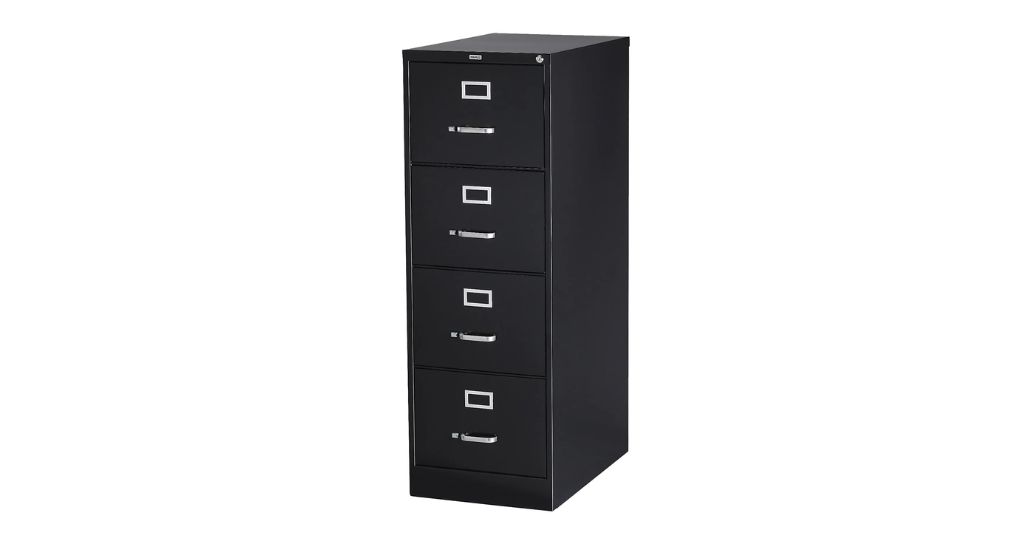
Designers choose this size when they want a filing cabinet that holds a lot without becoming top-heavy or awkward to use. The top surface doubles as a convenient spot for sorting papers or setting down coffee while you work.
You can access the top drawers without stretching or losing balance. Many office-grade models are fire-resistant and include locking systems for added security. Look for ball-bearing drawer slides; they turn filing from a wrestling match into a one-handed glide that saves time and frustration.
3. Statement Floor Sculptures
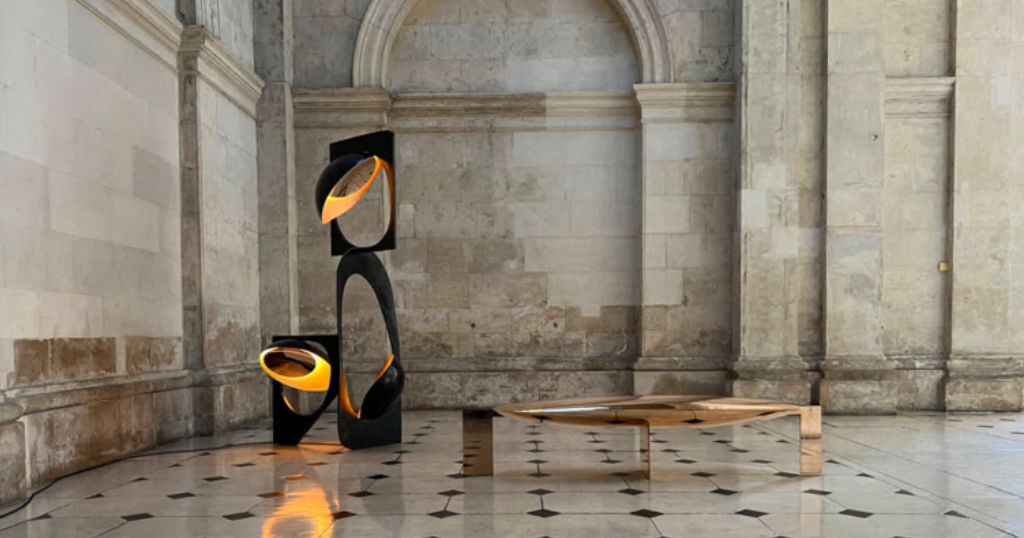
A 54-inch sculpture anchors an empty corner or hallway without competing for attention with ceiling fixtures or high shelves. At seated shoulder height, it creates visual interest without overwhelming the space. It can hide outlets or cords without demanding center stage.
You’ll often see this scale used for abstract pieces, cultural artifacts, or modern busts. Place it near natural light or a reading lamp, and the shadows add depth to flat walls. The height transforms a simple piece into a conversation starter that feels intentional, not accidental.
4. Adjustable Reading Lamps
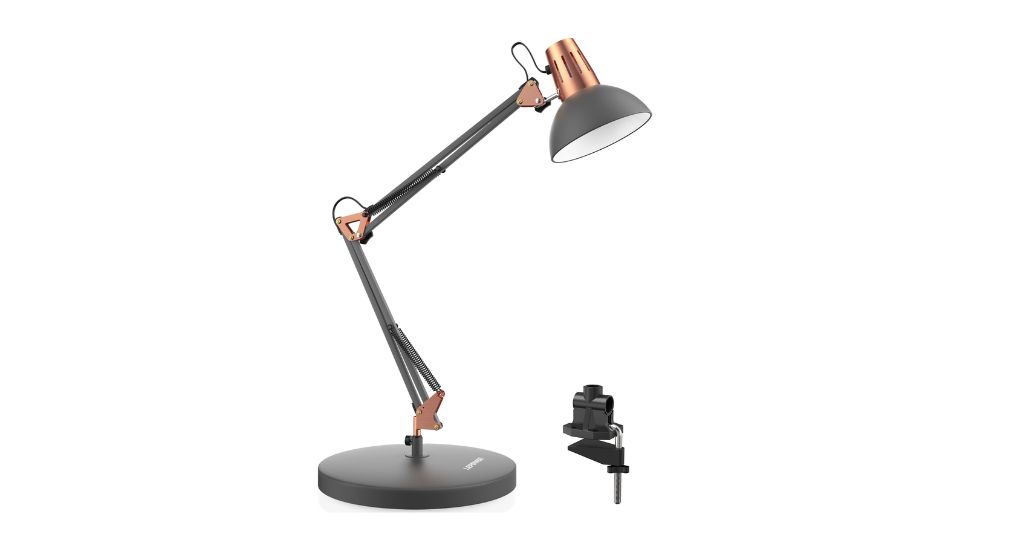
When you’re seated in a chair or recliner, a 54-inch lamp positions light just above shoulder level. This prevents the harsh glare of overhead fixtures while keeping your book or tablet comfortably lit. The “interrogation light” feel disappears, replaced by focused illumination that doesn’t strain your eyes.
You can slide it around for cleaning or rearranging without disconnecting wires or climbing ladders. Choose one with a dimmer switch to shift from focused task lighting to soft ambient glow. That versatility turns one lamp into multiple lighting moods depending on whether you’re reading, relaxing, or entertaining.
5. Modular Retail Shelving
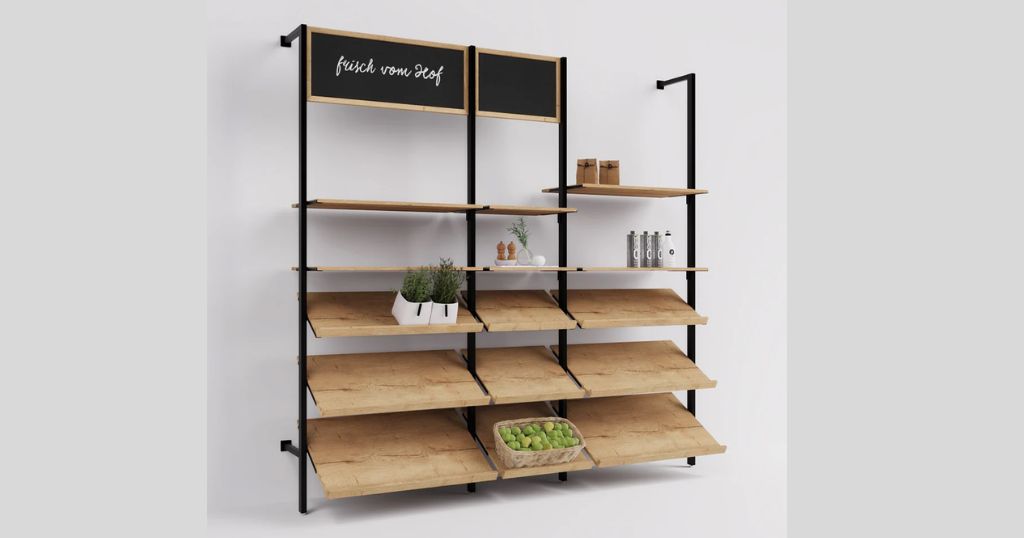
Retailers pick this height because it falls within accessibility reach guidelines, , as recommended by the Americans with Disabilities Act (ADA) Standards, while keeping sightlines open across the sales floor. Customers can grab items from the top shelf without asking for help. Staff can restock without step stools, speeding up inventory work during busy shifts.
The same principle applies at home. A 54-inch shelf in a pantry, craft room, or garage keeps everything visible and within arm’s reach. Shorter shelving keeps light flowing and prevents the closed-in feeling that taller units create. It’s function, safety, and design working together in one simple form.
6. Free-Standing Punching Bags
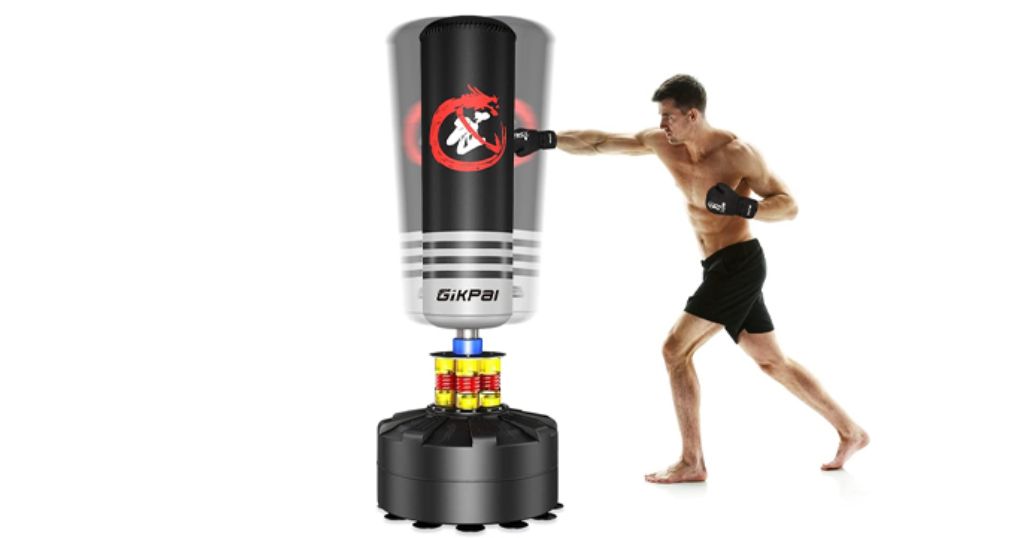
In real-world use, this measurement lines up naturally with chest and head height for most people, making punches feel more realistic. You can practice jabs, hooks, and uppercuts without adjusting your stance or compensating for an awkward bag height. The training feels natural from the first punch.
These bags skip the hassle of ceiling mounts and can move between rooms or outdoor spaces. Fill the base with sand instead of water if you’re on smooth flooring—it adds weight without the risk of leaks during intense sessions. Stability keeps your punches sharp and your sessions frustration-free.
7. Backyard Privacy Fencing

This is tall enough to discourage most medium and large dogs from jumping (depending on breed and training), but low enough that you can still wave to neighbors or check on kids playing in the yard. It adds security without making the space feel closed off or isolated.
For vegetable gardens, it keeps deer and rabbits out while letting sunlight reach your plants from above. Growth isn’t affected by heavy shading. If you’re in a windy area, use metal post anchors or concrete footings—proper installation prevents wobbling and extends the fence’s lifespan through storms and active pets.
Related: How Tall Is 65 Inches? 9 Real Things That Show You Exactly What It Looks Like
8. Compact Break Room Vending Machines
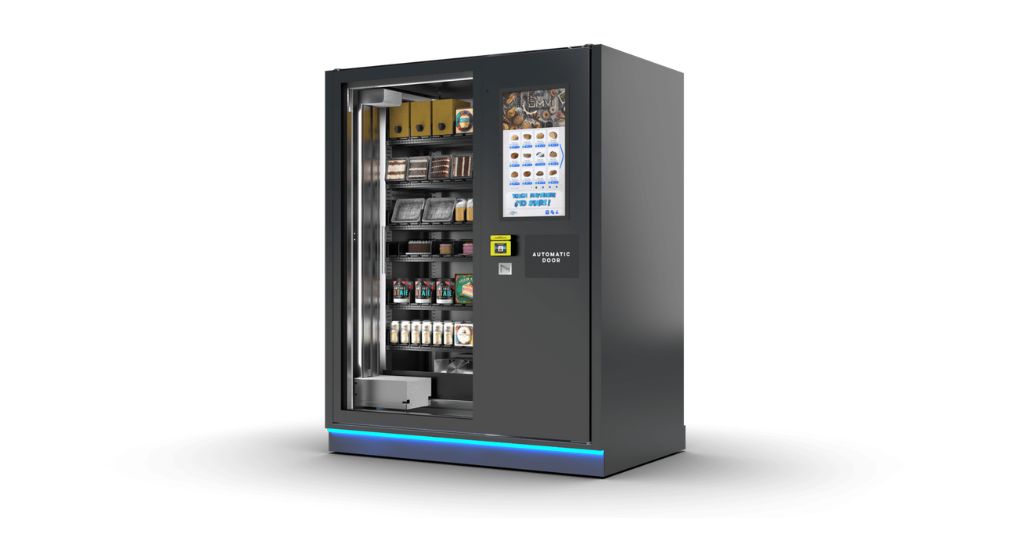
These machines fit through standard commercial doorways and tuck into smaller employee lounges or waiting areas without dominating the space. The top row of snacks stays within easy reach for most adults, cutting down on “item stuck” frustration. You won’t need a chair or broomstick to dislodge a candy bar hanging from the top slot.
Despite the smaller footprint, many models still offer 30+ selections—enough variety for offices, gyms, or medical waiting rooms. The compact design makes restocking easier for staff since everything remains at a comfortable working height. Less bending, less stretching, less time wasted.
9. Gallery and Event Display Easels

From a viewer’s perspective, this height puts signs and artwork right at standing eye level, so people can read comfortably. Guests don’t need to bend or tilt their heads, keeping the viewing experience comfortable and the presentation looking polished. First impressions matter, and awkward angles undermine them.
They’re stable enough for outdoor wedding receptions but light enough to move between rooms as your event flows. Place them near indirect lighting to avoid glare in photos—that small adjustment keeps printed or framed pieces looking crisp and professional in every shot your photographer takes.
10. Industrial Welding Curtain Viewing Panels
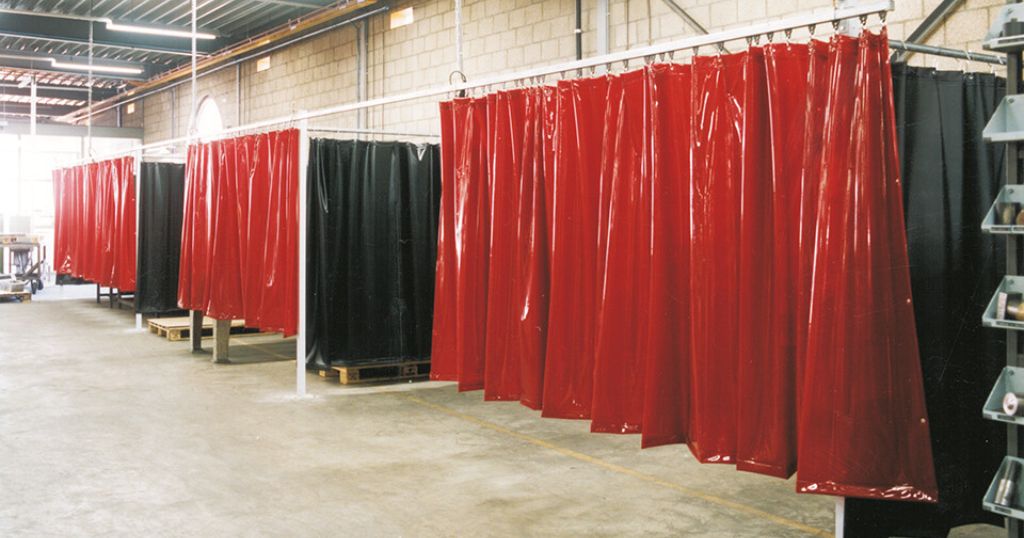
The 54-inch transparent section allows supervisors to monitor welding work without stepping into the hazard zone or exposing themselves to UV radiation and flying sparks. They can assess technique, spot potential issues, and maintain oversight while staying protected. Safety and productivity don’t have to be competing priorities.
This standardized height keeps compliance consistent across different job sites and speeds up installation when setting up new workstations. It’s a small detail that balances productivity with strict safety protocols. Manufacturers stick to this measurement because it works reliably in diverse industrial settings.
11. Mid-Capacity Water Heaters
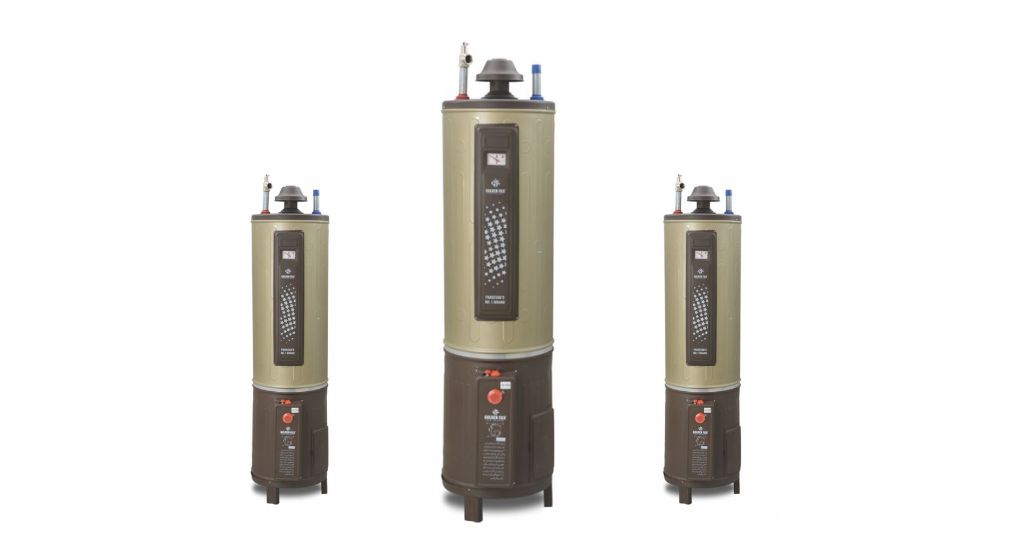
A 50-gallon tank at roughly 54 inches provides enough hot water for small businesses or households with 3–4 people without requiring excessive floor space. You get reliable supply for back-to-back showers, laundry, and dishwashing without the bulk of larger commercial units. The size hits the practical middle ground.
Control valves and temperature adjustments sit at a convenient height for routine maintenance—no contorting yourself to reach buried knobs at floor level. Before installation, confirm your floor can support 500+ pounds when the tank is full. Reinforced flooring or a proper platform prevents long-term structural issues and costly repairs down the line.
Read Also: How Long Is 50 Feet? Real-World Ways to See, Feel, and Use This Distance
The “Will It Actually Fit in My Vehicle?” Test
You’ve bought the perfect 54-inch shelf—now comes the parking lot reality check.
Sedans: Most won’t work. Even if your back seat measures 50+ inches diagonally on paper, door frames, trunk lips, and seat contours shrink the usable opening. You’ll end up angling, forcing, or making a second trip.
What usually does work:
- SUVs and crossovers with folding rear seats create a flat cargo area that handles 54 inches front-to-back in most models.
- Pickup trucks easily accommodate the length, but bring tie-down straps—items shift during turns and stops.
- Roof racks only if the item is fully boxed, weatherproofed, and secured with ratchet straps.
The trick that saves people every time: Measure the diagonal opening of your trunk or hatch before leaving home—not just the width. That diagonal measurement often buys you 6–10 extra inches and makes the difference between success and frustration.
Why Interior Designers Call 54 Inches the “Horizon Line”
Some designers refer to this height as a natural dividing point in room layouts. At 54 inches, a room divider or partition provides privacy when you’re seated on a couch or at a desk, but doesn’t chop the space in half when you stand up. It keeps small apartments feeling open while still defining separate zones for working, relaxing, or sleeping.
The “Body Ruler” Method (No Tape Measure Required)
Standing in an empty room trying to picture furniture placement? Use your own body following Human Factors and Ergonomics Society guidelines:
The Chest Check: For adults between 5’7″ and 5’10”, 54 inches hits right at your sternum. Stand where you’re planning to place the item and mark that height mentally.
The Shoulder Shortcut: If you’re around 5’2″ to 5’4″, 54 inches lands almost exactly at shoulder level.
The Arm Span Estimate: Hold one arm straight out to the side. For most people, the distance from your opposite shoulder to your fingertips is roughly 54 inches.
The Kid Scale: Picture a typical 10-year-old standing against your wall. That’s 54 inches.
Before You Buy or Install: Practical Checklist
- Measure in three dimensions: Confirm width and depth, especially if placing furniture near outlets, radiators, or tight corners.
- Leave clearance space: Budget 2–4 inches behind furniture for power cords, ventilation, and easy movement during cleaning.
- Use wall anchors for tall items: Bookcases, shelving units, and décor pieces over 4 feet should be secured with L-brackets or furniture straps—especially in homes with kids or pets. With kids at home, choosing a 54-inch shelf felt safer—it was tall enough to use, but easy to anchor and reach.
- Check ceiling height context: With standard 8-foot ceilings (96 inches), a 54-inch piece leaves 42 inches of visual space above, consistent with interior design height recommendations for balanced furniture placement.”
- Test doorways before delivery: Measure your narrowest doorway or hallway. If it’s less than 30 inches wide, confirm your furniture can be disassembled or angled through.
Frequently Asked Questions About 54-Inch Heights
What does 54 inches look like compared to an average person?
At 4 feet 6 inches (137 cm), it hits mid-chest for someone around 5’8″ or 5’9″, and roughly shoulder height for someone closer to 5’2″ or 5’4″. For a 10-year-old child, it’s approximately their full standing height.
Is 54 inches considered tall or short for home furniture?
It’s a medium height—tall enough to offer useful storage or display space, but short enough to keep rooms feeling open and accessible.
What common household items measure about 54 inches tall?
You’ll find this height in narrow bookcases, four-drawer file cabinets, adjustable floor lamps, decorative sculptures, compact water heaters, and retail shelving units.
How can I measure 54 inches without a measuring tape?
Use your body as a guide: for most adults, 54 inches is roughly the distance from your opposite shoulder to your fingertips when one arm is extended. You can also picture the height of a typical 10-year-old.
Will a 54-inch item fit in my car or SUV?
In most SUVs with folding rear seats, yes. In sedans, probably not—unless the item disassembles or you can angle it diagonally through the trunk opening.
Why do so many products come in at 54 inches?
This height aligns with ergonomic standards for reachability and accessibility. It’s comfortable for most adults to access without stretching or bending.
Is 54 inches a safe height for kids’ furniture or storage?
Yes, with proper precautions. Children can reach lower shelves independently, while adults can store less-used items up top. Just anchor any furniture over 4 feet to the wall with L-brackets or furniture straps.
Final Takeaway
54 inches sits in that “just right” zone—tall enough to be functional, compact enough to keep spaces feeling open. Whether you’re shopping for a bookcase, planning a room divider, or just trying to picture scale without pulling out a tape measure, think chest height for most adults or the full height of a 10-year-old.
It’s a measurement designed around how people actually move, reach, and use space—which is why you see it repeated across furniture, appliances, and décor that just works.

I am the editor and author of StoriesRadius.com, a blog about measurements and dimensions. I enjoy turning numbers and sizes into simple stories that anyone can understand. From everyday objects to curious facts, I share clear guides based on real research and experience. My goal is to make learning about length, height, and size fun, useful, and easy for all readers.