You’re checking parking restrictions that say “no stopping within 300 feet of an intersection,” or you’re reading safety guidelines about maintaining distance from a construction site. Maybe you’re planning where to place outdoor lighting or wondering if your property extends far enough for that fence you want to build. The number 300 feet appears, and you’re left wondering—how far is that, really?
Here’s the quick answer: 300 feet equals 100 yards, or roughly 91.44 meters. To put it in perspective, that’s about the length of an American football field from one goal line to the other (without the end zones). If you’re walking at a normal pace, you’d cover this distance in about 60 to 75 seconds—just over a minute.
Understanding 300 Feet in Human Terms
The Average Person: If you’re around 6 feet tall, you’d need to lie down head-to-toe 50 times to cover 300 feet. For women averaging 5’4″, it would take about 56 people lying end-to-end. Using your own height makes the distance easier to picture without doing any math.
Your Walking Stride: Most adults have a stride length between 2.5 to 3 feet. Walking 300 feet means taking roughly 100 to 120 steps—about the same number you’d take walking from your parked car at the back of a grocery store lot to the entrance.
At Eye Level: Standing at one end of a 300-foot distance, you could recognize someone you know, but reading small text on a sign would be challenging. You’re close enough to see general features but too far for fine details.
11 Real-World Objects That Show You Exactly How Far 300 Feet Is
| Object | Category | Measure/Dimension |
| American Football Field (Goal Line to Goal Line) | Sports/Recreation | 300 feet length |
| 30 Standard Extension Ladders | Construction/Hardware | 30 × 10 feet each |
| Large Retail Store Frontage (Walmart/Target) | Commercial Building | 300-400 feet width |
| Mature Giant Sequoia | Nature/Trees | ~300 feet height |
| Major Power Transmission Tower | Infrastructure/Utilities | ~300 feet height |
| 50 People Stacked Vertically | Human Reference | 50 × 6 feet each |
| 75 Fluorescent Light Tubes | Office Equipment | 75 × 4 feet each |
| 10 Tennis Courts (Width-wise) | Sports/Recreation | 10 × 36 feet width |
| 300-Foot Spool of Paracord | Outdoor/Craft Supply | 300 feet length |
| Heavy-Duty 20-Amp Extension Cord | Electrical/Industrial | 300 feet length |
| 30 Ten-Foot PVC Pipes | Plumbing/Construction | 30 × 10 feet each |
1. American Football Field (Goal Line to Goal Line)
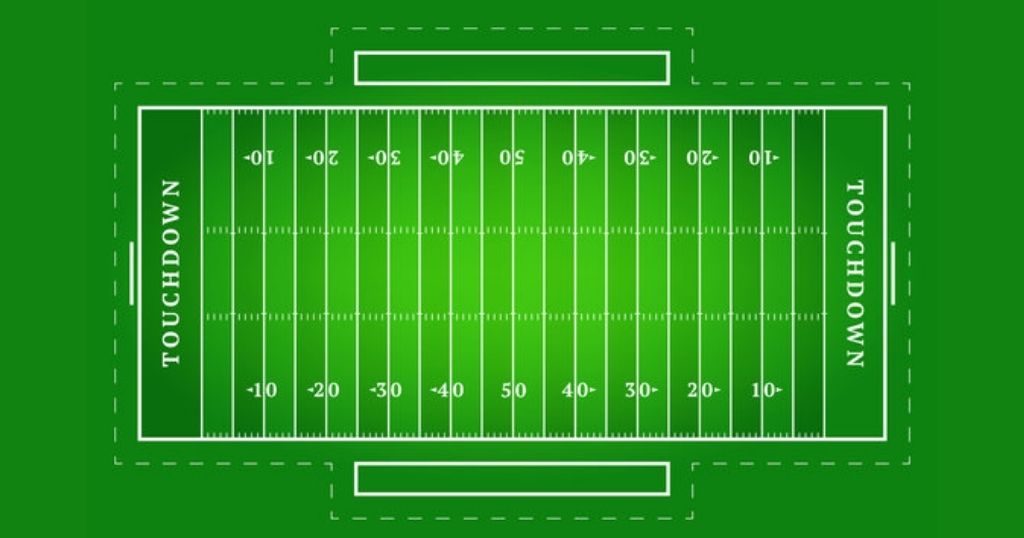
The playing field itself measures exactly 300 feet from one goal line to the other, excluding the end zones, as defined in the Net World Sports. If you’ve ever watched a game or walked across a field, you already know this distance instinctively.
Most people have seen or walked across a football field at least once. Next time you’re at a high school or college stadium, take a moment to walk from one goal line to the other—that physical experience will stick with you far better than any number.
2. 30 Standard Ten-Foot Extension Ladders
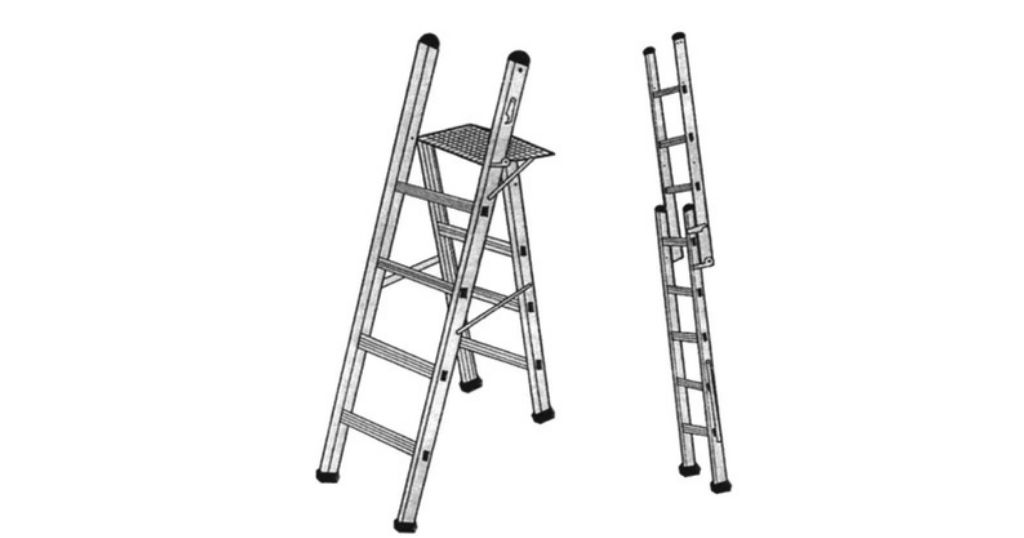
Imagine lining up 30 of those common household ladders you see at hardware stores. Laid end-to-end, they’d stretch exactly 300 feet and give you a modular way to visualize the distance in manageable 10-foot chunks.
Most people have climbed or held one of these ladders, so you can mentally stack this familiar object. Each ladder reaches about the height of a single-story ceiling, breaking it into ten-foot sections makes the distance easier to track.
3. Large Retail Store Frontage

Walk past a Walmart Supercenter or Target, and you’re looking at roughly 300 to 400 feet of storefront width. The distance from one end of the building to the other as you face it from the parking lot captures this measurement perfectly.
These stores are designed to be massive and visible from highways. The next time you’re pulling into one of these parking lots, look at the building’s full width. That expansive facade you see is almost exactly what we’re talking about.
4. Height of a Mature Giant Sequoia
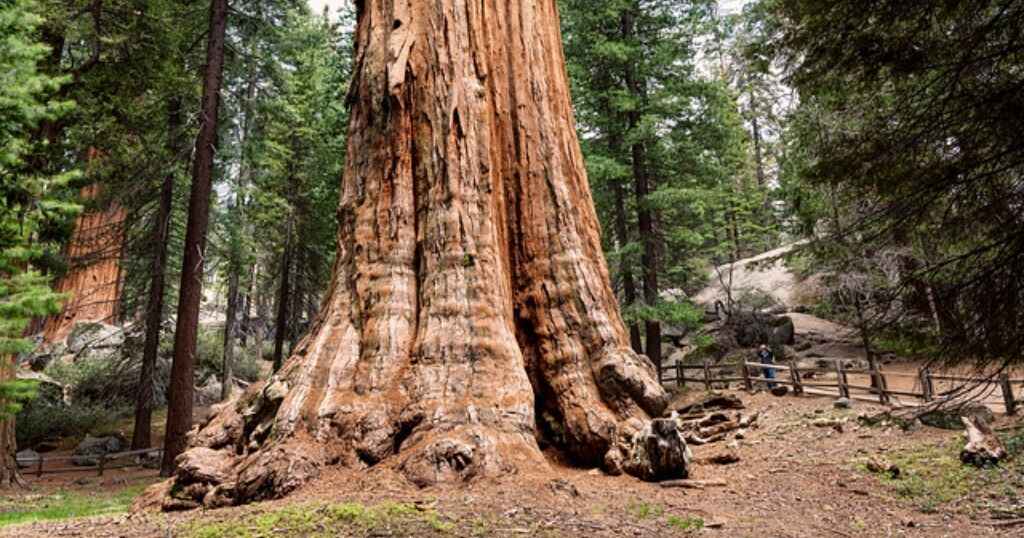
An average mature giant sequoia typically reaches around 300 feet in height. Standing at the base and looking up gives you a dizzying sense of vertical distance that matches our horizontal measurement.
These ancient trees in California’s Sierra Nevada mountains create an almost disorienting perspective. If you’ve never seen one in person, imagine a tree so tall that its crown seems to touch the clouds. That upward gaze is the same as looking across 300 feet horizontally.
5. Major Power Transmission Towers
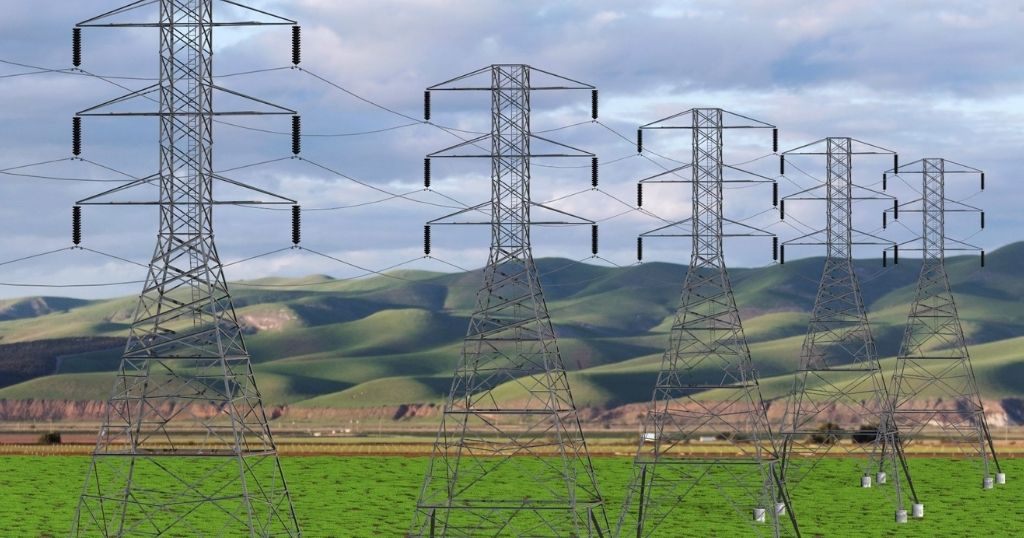
Those massive electrical transmission towers carrying high-voltage lines across the countryside often stand around 300 feet tall. The ones you see supporting lines that span valleys or cross highways are built to this scale for stability and clearance.
Drive on any interstate and you’ll spot these giants marching across the landscape. They need this height to safely carry power lines over everything below. Their imposing presence makes them easy to remember as a 300-foot reference.
6. 50 People Standing on Each Other’s Shoulders

This one’s purely theoretical, but if you stacked 50 people of average 6-foot height, you’d create a wobbly human tower reaching 300 feet into the sky. It’s a fun way to grasp just how high—or far—this distance really is.
Obviously, nobody’s attempting this outside of circus acts or carefully choreographed performances. But the mental image of 50 people stacked vertically helps translate the measurement into something tangible and slightly absurd enough to remember.
7. 75 Office Fluorescent Light Tubes Laid End-to-End
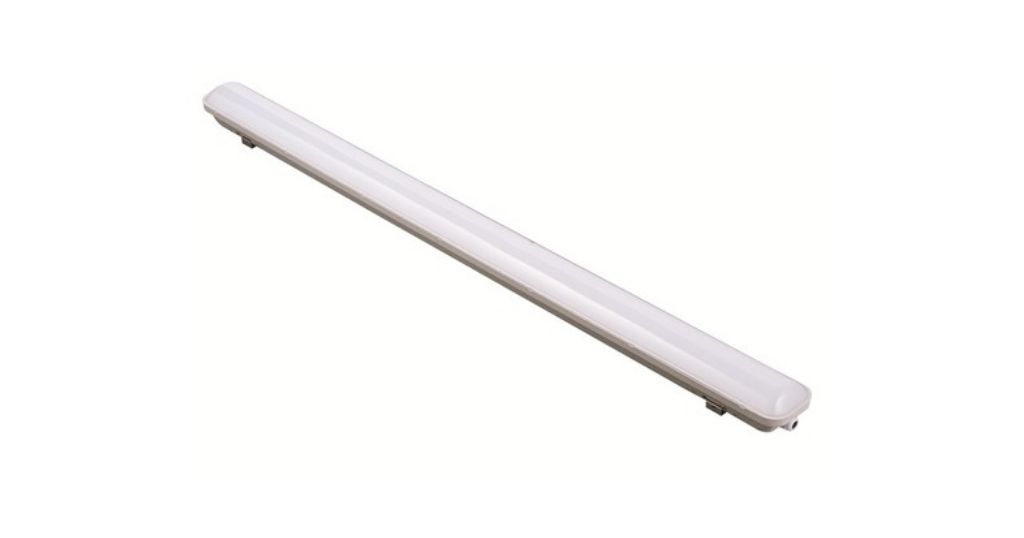
Those standard 4-foot fluorescent tubes you see in office ceilings and garages—line up 75 of them, and you’ve got 300 feet. Since these are familiar fixtures in most workplaces, they’re a handy mental measuring stick.
If you work in an office building, count how many tubes run along one ceiling panel. Then imagine repeating that pattern down a long corridor. This everyday object suddenly becomes a surprisingly useful tool for understanding distance.
Read Also: How Long Is 100 Feet? 13 Common Comparisons That Are 100 Feet Long
8. 10 Tennis Courts (Width-wise)
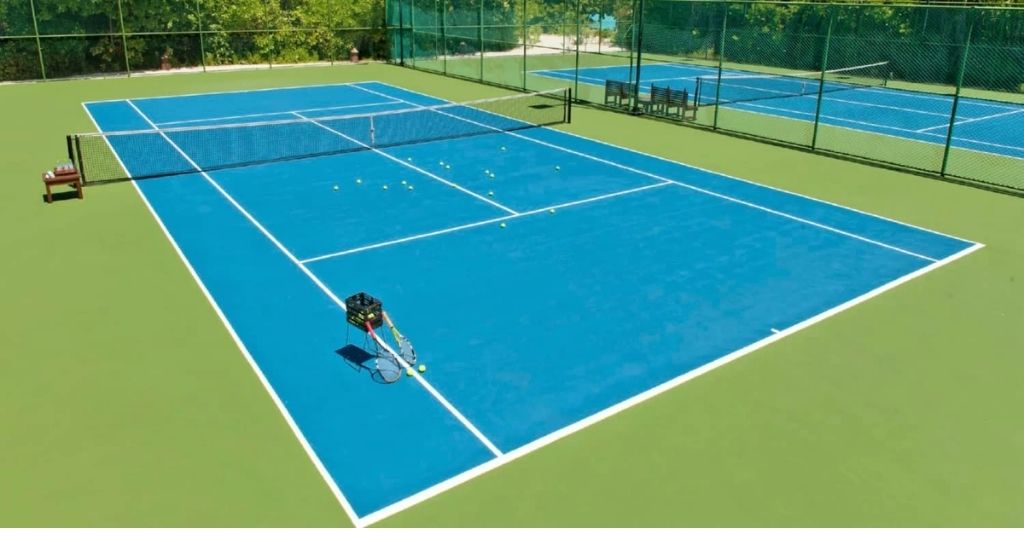
A regulation doubles tennis court is 36 feet wide, according to the Tennis Court Dimensions & Size Guide. Place about 8 to 9 courts side by side, and you’re looking at roughly 300 feet across. Anyone who’s played tennis can now visualize the distance in court widths.
Tennis players develop an instinctive feel for court dimensions. If you’ve ever practiced on multiple adjacent courts, picture looking across several of them. That width gives you the full 300-foot span.
9. 300-Foot Spool of Paracord
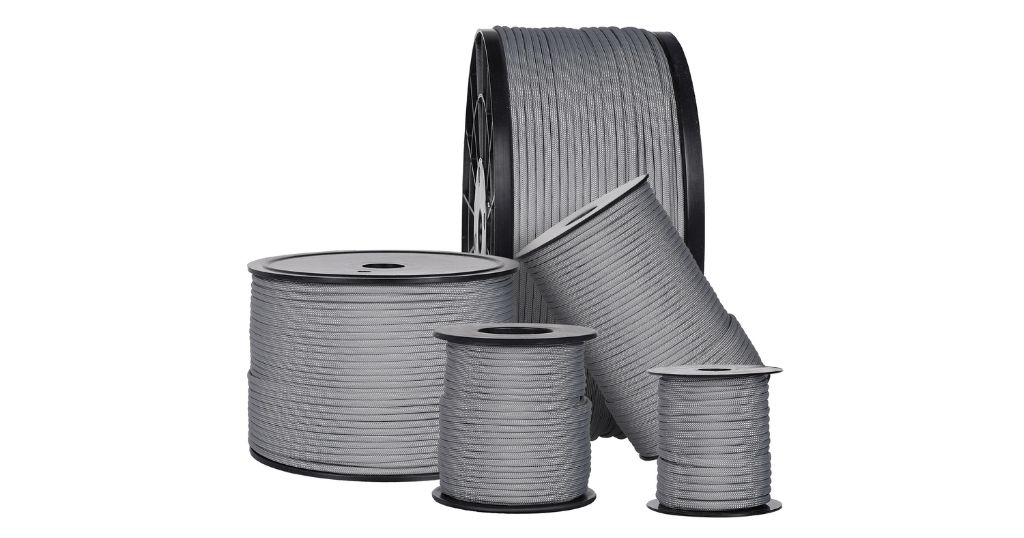
Crafters and outdoor enthusiasts know this one well. A 300-foot spool is the standard length for paracord—whether it’s the thin 0.75mm nano cord for crafts or the heavy-duty 550 paracord for camping and survival gear.
These spools are compact until you start unrolling them. If you’ve ever used paracord for a project, you know how surprisingly long even a 50-foot section feels. An entire 300-foot spool stretched out across a field drives home just how much distance we’re talking about.
10. Heavy-Duty 20-Amp Extension Cord
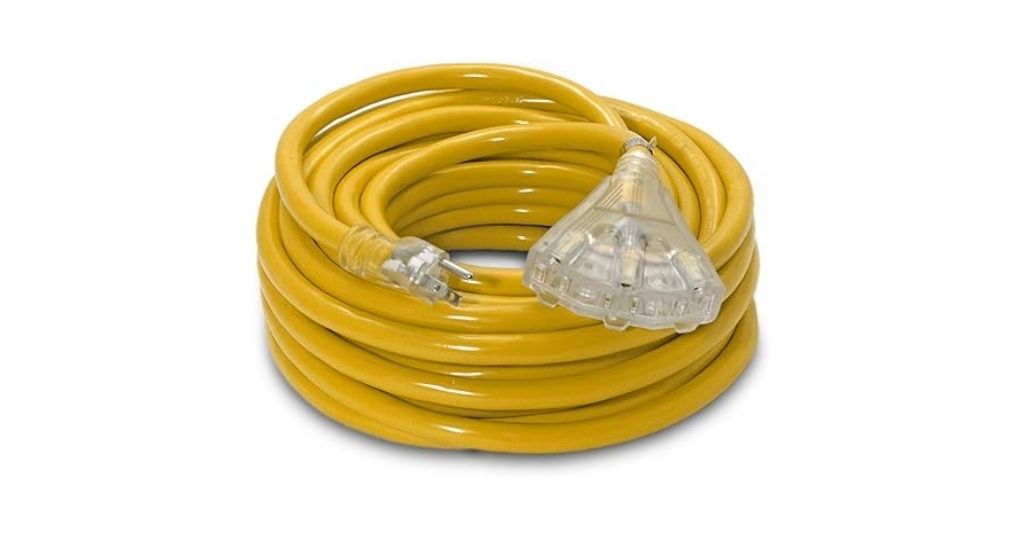
You can buy 300-foot extension cords rated for 20 amps, though electricians will warn you about voltage drop at this length. If you’ve ever needed to power equipment far from an outlet—like running tools at a remote worksite—you’ve likely handled a cord this long.
These industrial cords come on large reels because they’re too unwieldy to coil by hand. Electricians and contractors use them when setting up temporary power at construction sites. Watching someone unreel one of these demonstrates the distance in a practical, working context.
11. 30 Ten-Foot PVC Pipes
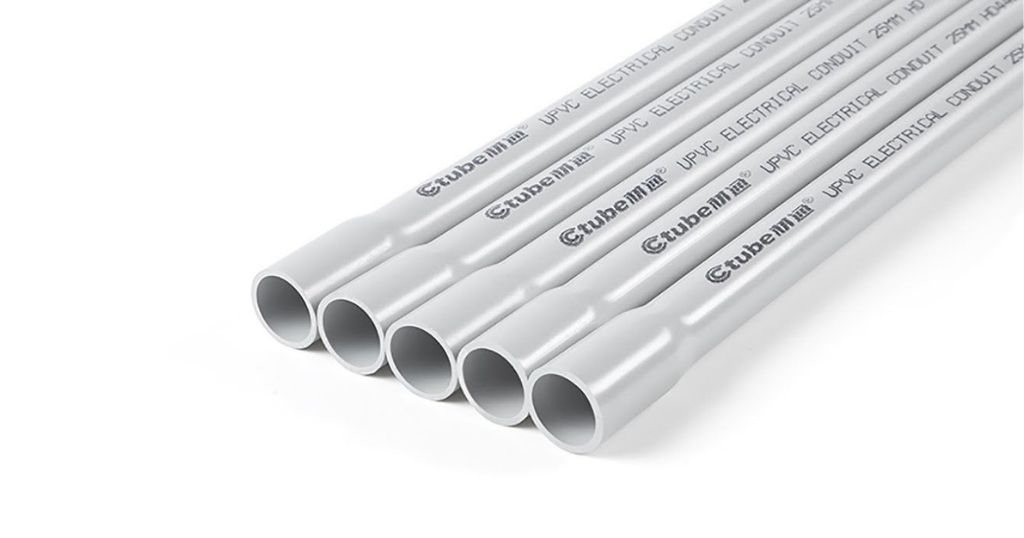
Home improvement projects often involve 10-foot sections of PVC pipe for plumbing, irrigation, or DIY structures. Stack up 30 of these standard pipes, and you’ve got a practical representation of 300 feet.
Anyone who’s transported these pipes in a truck bed or on a roof rack knows they’re awkward to handle. Now multiply that by 30, and you get a sense of the cumulative length. This is especially useful if you’re planning irrigation lines or drainage systems.
Read Also: How Long Is 50 Feet? Real-World Ways to See, Feel, and Use This Distance
Practical Tips for Measuring and Visualizing 300 Feet
Don’t Have a Tape Measure?
When I first had to mark out a 300-foot distance, I thought it would feel long. But once I started pacing it out, it surprised me how quickly it disappeared. Count out about 100 normal walking steps, assuming a 3-foot stride. You can also use a known object—like your car, usually 15 to 18 feet long—and count car-lengths instead.
Checking Property Boundaries: Google Earth’s ruler tool can measure distances on satellite imagery. Drop a pin at each end and read the measurement. This works perfectly for checking setbacks, easements, or fence placements without leaving your desk.
Quick Vehicle Reference: Most full-size pickup trucks are about 18 to 20 feet long. So 300 feet equals roughly 15 to 16 trucks parked bumper-to-bumper. Look down any parking lot and count vehicles to get an instant visual.
For Construction and Safety Zones: Many building codes reference 300-foot distances for crane swing radius, blasting zones, or equipment clearance. Always mark these boundaries with highly visible flags or cones on job sites.
Teaching Kids or Visualizing Outdoors: Take them to a football field or measure out 100 paces in a park. Let them run the distance, which creates a physical memory that’s easier to recall than abstract numbers.
How Far Is 300 Feet in Different Contexts?
Walking Time: At a comfortable 3 to 3.5 mph pace, 300 feet takes 60 to 75 seconds to walk. Speed-walking at 4.5 mph, you’d cover it in about 45 seconds, as reported by Relive Walking Guide.
Driving Past: At 30 mph, a car travels 44 feet per second, so you’d pass 300 feet in less than 7 seconds. At highway speeds of 60 mph, it’s gone in just over 3 seconds.
In Meters: 300 feet converts to 91.44 meters—just shy of 100 meters, or almost a full sprint track.
In Kilometers: 300 feet equals approximately 0.091 kilometers—not even a tenth of a kilometer.
Comparing to 3000 Feet: 3000 feet is ten times this distance—nearly two-thirds of a mile, or about a 10-minute walk.
Height Comparison to Humans: At 300 feet tall, a structure would tower over humans at a ratio of 50:1. Picture yourself standing next to a 50-story building.
Safety and Practical Considerations
Visibility and Line of Sight: At 300 feet, you can clearly see a person and recognize their general features, but reading small text becomes difficult. This matters for placing signs, cameras, or lighting.
Sound Travel: Normal conversation carries about 20 to 30 feet. At 300 feet, you’d need to shout loudly to be heard, and even then, words wouldn’t be clear. Plan communication methods like radios or phones.
Emergency Response: Fire departments often reference 300 feet as a critical distance for hose deployment and access. Check local codes about maintaining access within this range of hydrants.
Drone Flying and Regulations: Many local laws require maintaining visual line of sight, which for most operators maxes out around 300 to 400 feet. This distance is a practical limit for safe recreational flying.
Frequently Asked Questions
How long does it take to walk 300 feet?
At a normal walking pace of 3 mph, it takes about 60 to 75 seconds—just over a minute.
Is 300 feet considered far to walk?
Not particularly—it’s a short stroll comparable to walking across a large parking lot or down a city block.
How many stories high is 300 feet?
A typical story in a building is about 10 to 12 feet, so 300 feet equals roughly 25 to 30 stories.
Can you see someone clearly at 300 feet away?
Yes, you can see a person and recognize their general appearance, but fine details like facial expressions would be hard to distinguish.
What’s the easiest way to measure 300 feet without tools?
Count 100 walking steps at a normal stride, or measure out the length of your car and count 20 car-lengths.
How does 300 feet compare to a city block?
In many American cities, a standard block is about 300 to 400 feet long, so 300 feet is roughly one block.
Why do so many regulations reference 300 feet?
It’s a practical distance that balances safety, visibility, and convenience—close enough to maintain awareness but far enough to create meaningful separation.
Key Takeaways: What 300 Feet Really Means
At its heart, 300 feet is the length of a football field, the height of a towering sequoia, or the width of a big-box store you’ve walked past dozens of times. You can walk it in just over a minute, see across it clearly, and measure it with 100 simple paces.
Whether you’re checking compliance with local ordinances, planning outdoor projects, or just trying to wrap your head around a distance mentioned in conversation, these comparisons give you the mental toolkit to visualize 300 feet instantly. Next time you encounter this measurement, you won’t need to guess—you’ll know exactly what you’re dealing with.

I am the editor and author of StoriesRadius.com, a blog about measurements and dimensions. I enjoy turning numbers and sizes into simple stories that anyone can understand. From everyday objects to curious facts, I share clear guides based on real research and experience. My goal is to make learning about length, height, and size fun, useful, and easy for all readers.