You’re at a gas station, grabbing a drink before a long drive. There’s a tiny bottle, a medium one, and one that looks like it could hydrate a small village. You grab the medium because it feels right — but you’re not totally sure if it’ll last you the whole trip.
That moment of uncertainty is exactly why this exists.
The Four Sizes, Explained Like a Human
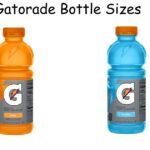
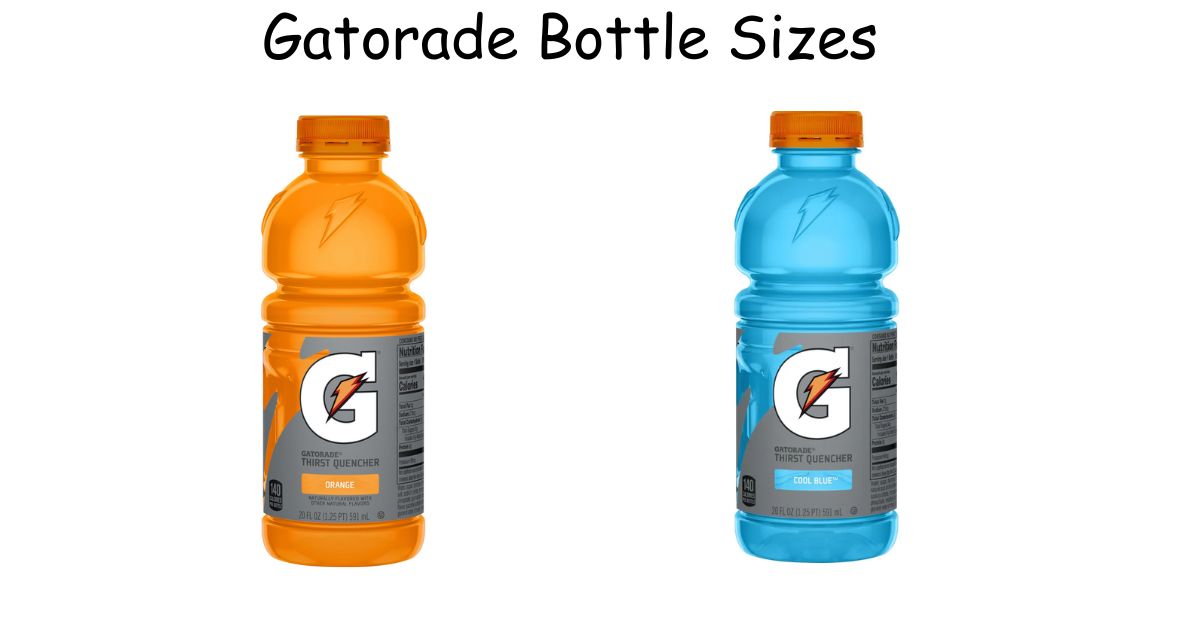
Gatorade makes four standard bottle sizes. Each one fits a different situation, and the differences between them are more practical than they look on a shelf.
| Size | Milliliters | Height | Diameter |
| 12 oz | 355 ml | 7.5 in | 2.75 in |
| 20 oz | 591 ml | 8.25 in | 2.9 in |
| 28 oz | 828 ml | 9.5 in | 3.25 in |
| 32 oz | 946 ml | 10 in | 3.4 in |
The table above covers both oz and ml because a lot of people shop with one unit in their head and see the other on the label. The dimensions are here because that’s the part most guides skip — and it’s often the most useful thing to know.
The 20 oz is what most people picture when they think “Gatorade bottle.” It’s in every gas station, every vending machine, every grocery checkout cooler. The 12 oz is shorter and lighter — it’s the one that makes sense for kids or when you just want a quick drink, not a full hydration session. The 28 oz sits in the middle ground, popular at team practices and longer gym visits. The 32 oz is for serious output days — long hikes, full tournament weekends, hot outdoor work.
Does It Fit? The Real Reason Dimensions Matter
Cup holders, gym bag pockets, bike cages, fridge shelves — that’s what people are actually trying to figure out when they search bottle dimensions.
The 20 oz is the safest bet for cup holders. At 2.9 inches wide, it clears the threshold for most standard car cup holders without a squeeze. The 32 oz at 3.4 inches is a gamble — some cars fit it, some don’t. If you commute with a big bottle, test your cup holder before committing to the 32 oz as your daily driver.
The 12 oz is short enough to fit in a lunchbox or a child’s backpack without shifting around. At 7.5 inches tall, it’s noticeably smaller than a typical school water bottle, which makes it easy to manage for younger kids.
The 28 oz is where people get caught off guard. The diameter jumps to 3.25 inches, which is too wide for a lot of standard cup holders and some bottle pockets on backpacks. It’s great on a sideline bench or in a bag where it just needs to sit flat.
Read Also: Grad Cap Dimensions: The Honest Guide Nobody Bothered to Write
Squeeze Bottles Are a Separate Category
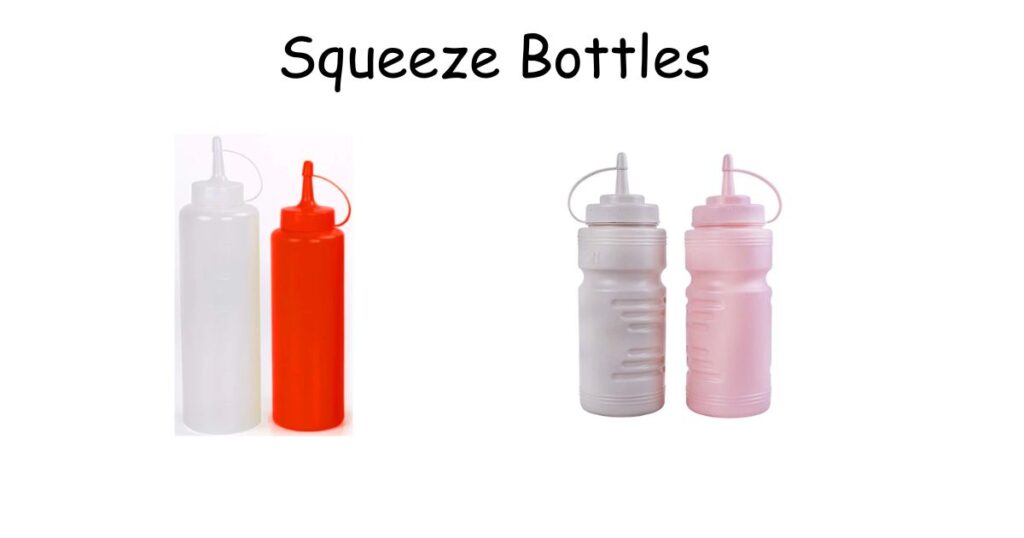
The regular rigid bottles and the squeeze bottles aren’t just the same thing in different materials. They work differently, they’re sized slightly differently, and they’re made for a different kind of use.
| Size | Oz / ml | Height | Diameter |
| Small | 20 oz / 591 ml | 8 in | 3 in |
| Standard | 28 oz / 828 ml | 9 in | 3.2 in |
| Large (Tough Squeeze) | 32 oz / 946 ml | 10.5 in | 3.5 in |
The nozzle bites open — no unscrewing mid-sprint. The walls are soft so you can push liquid up with pressure rather than tilting the whole bottle back. That matters in cycling, basketball, soccer, any sport where stopping to drink is awkward or impossible.
They run $5–8 each, which feels steep until you’ve used one during a game and realized how much faster you hydrate. The 28 oz squeeze is what most athletes settle on — big enough to get through a full practice, light enough that it’s not pulling at your hand the whole time.
One thing to note: squeeze bottles run slightly taller than rigid bottles at the same oz. The 32 oz Tough Squeeze is 10.5 inches compared to 10 inches for the rigid 32 oz. Small difference, but worth knowing if you’re fitting it into something tight.
When Buying in Bulk Makes More Sense
For groups, teams, or anyone trying to cut the per-drink cost, single bottles stop making sense pretty quickly.
The gallon jug (128 oz / 3.78 L) is 11.5 inches tall with a 6-inch diameter. It’s not a carry-around bottle — it’s a pour-and-serve container for sidelines, coolers, or big gatherings. One gallon jug replaces roughly 6–7 individual 20 oz bottles and costs significantly less.
Powder packs are the other route. You control how much you make, you use your own bottle, and you pay less per serving than any pre-made option. The tradeoff is that you need water access and a container ready to go, which isn’t always possible mid-activity.
Multi-packs of 20 oz or 28 oz bottles with carry handles are practical for stocking a team cooler before a weekend tournament. Just check your fridge shelf height before buying a case of 28 oz bottles — at 9.5 inches tall, they need more vertical clearance than a case of 20 oz.
What People Usually Get Wrong
Buying a 32 oz assuming it fits everywhere is the most common mistake. It doesn’t. The width is the issue, not the height.
Treating the gallon jug like a portable option is another one. It’s awkward to hold, awkward to drink from directly, and the size makes it a storage container, not a gym bottle.
Buying squeeze bottles and expecting the same dimensions as rigid bottles trips people up too. If you have a custom holder, cage mount, or a specific bag pocket, measure the squeeze bottle’s diameter separately before assuming it fits.
Read Also: How Long Is 20 Inches? 13 Common Things That Are 20 Inches Long
Quick Answers
What’s the most common Gatorade bottle size?
20 oz. It’s what fills vending machines and convenience store coolers. Most adults grab it without thinking and it works for most situations.
Does the 32 oz bottle fit in a car cup holder?
Depends on the car. At 3.4 inches wide, it’s tight. Some center consoles handle it, some don’t. Worth a quick test before a road trip.
Are squeeze bottles worth it for casual use?
Not really. They’re designed for active sport situations. For the gym, the office, or casual outdoor use, a regular rigid bottle is easier to clean and cheaper to replace.
What size is right for a child?
12 oz for younger kids. It’s light, short enough to fit in a small bag, and the right amount so they actually finish it rather than leaving a half-full bottle rolling around the floor of your car.
How does 20 oz compare in ml?
591 ml. The 32 oz is 946 ml — just under a full liter, which helps if you think in metric.
The Short Version
Most adults — 20 oz rigid bottle. Most kids — 12 oz. Active athletes in a real sport — 28 oz squeeze. Long outdoor days or all-day events — 32 oz, either style.
The dimensions in this guide exist for one reason: so you know before you buy whether the bottle actually fits where you need it to. That’s the part that saves you a trip back to the store.

I am the editor and author of StoriesRadius.com, a blog about measurements and dimensions. I enjoy turning numbers and sizes into simple stories that anyone can understand. From everyday objects to curious facts, I share clear guides based on real research and experience. My goal is to make learning about length, height, and size fun, useful, and easy for all readers.