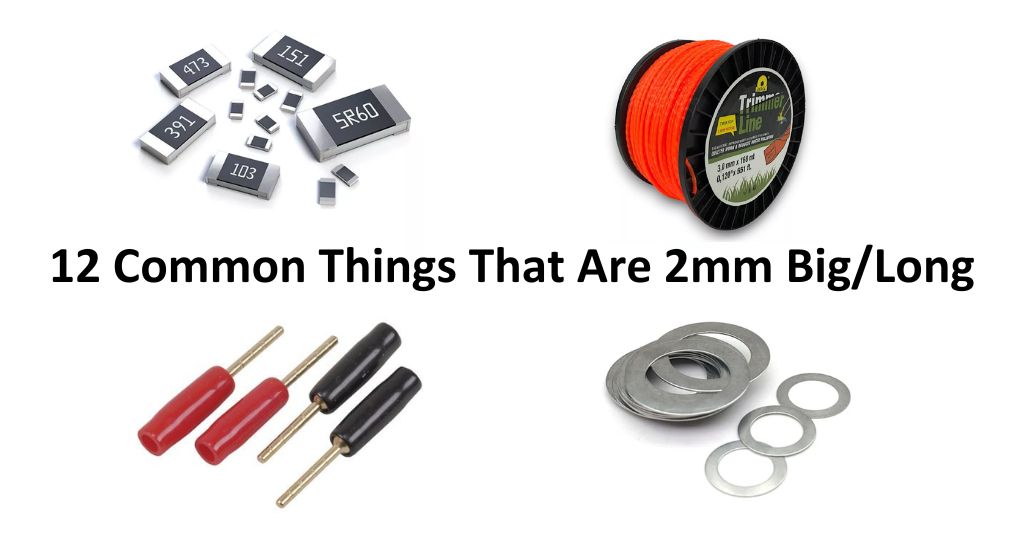
Ever squinted at a product description that mentions “2mm” and thought, “Okay, but how small is that really?”
Whether you’re shopping for drill bits online, choosing crochet hooks for a delicate lace project, or trying to figure out if that shelf pin will actually fit your cabinet holes, understanding just how tiny 2 millimeters is can save you from ordering the wrong size—twice.
Here’s the quick answer: 2mm equals approximately 0.079 inches (or about 5/64 of an inch). In centimeters, that’s 0.2cm. To put it simply, 2mm is roughly the thickness of two stacked credit cards or about the width of a pencil lead refill.
Understanding 2mm: The Human-Scale Reality
Let’s get some perspective using things you already know:
Your fingernail growth: The average person’s fingernail grows about 2-3mm per month. So 2mm is roughly one month of growth from your cuticle.
A grain of rice: The width (not length) of a medium grain of white rice is typically 1.5-2mm, making this a surprisingly accurate visual reference.
Stacked paper: Two sheets of standard printer paper measure about 0.2mm, so 2mm equals roughly 20 sheets stacked flat.
A U.S. nickel: This coin measures 1.95mm thick—nearly perfect for visualizing 2mm.
12 Real-World Objects That Are Exactly 2mm
| Object | Category | Measurement/Dimension |
| Banana Plug Pin (Miniature) | Electronics & Audio | 2mm diameter |
| Shelf Pin | Furniture & Cabinetry | 2mm diameter |
| Crochet Hook (Size B-1) | Crafts & Textiles | 2mm diameter |
| Drill Bit | Tools & Hardware | 2mm diameter |
| Allen Wrench/Hex Key | Tools & Fasteners | 2mm hex socket size |
| Lead Holder Refill | Art & Technical Drawing | 2mm diameter |
| SMD Chip (2012 Package) | Electronics & Circuit Boards | 2.0mm length |
| Header Pins | Electronics & Prototyping | 2.0mm pitch (spacing) |
| Leather Punch Hole | Leathercraft & DIY | 2mm hole diameter |
| Trimmer Line (Medium Duty) | Lawn & Garden | 2.0mm diameter |
| Glass Sheet | Building Materials & Framing | 2mm thickness |
| Precision Metal Shim | Automotive & Machinery | 2mm thickness |
1. Banana Plug Pin (Miniature/Mini Type)
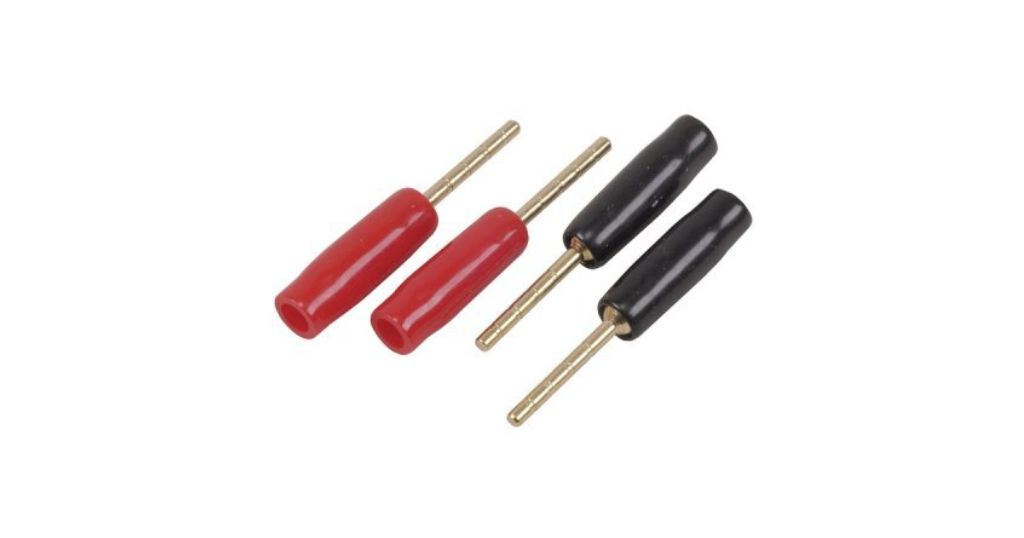
A 2mm banana plug pin measures precisely 2 millimeters in diameter. These miniature connectors work in compact, space-limited applications where the standard 4mm plugs won’t fit—think portable testing equipment or high-density patch panels.
If you’re wiring up a small-scale audio project or working with low-current circuits, these little plugs let you make solid connections without eating up precious board space. They’re the difference between cramming everything onto one panel or needing a second enclosure just for connection ports.
The mini banana plug might look delicate, but it maintains reliable contact in professional lab equipment and precision audio setups. Just don’t try forcing a standard 4mm plug into a 2mm socket—you’ll damage both the plug and the receptacle.
2. Shelf Pin (Cabinet Hardware)
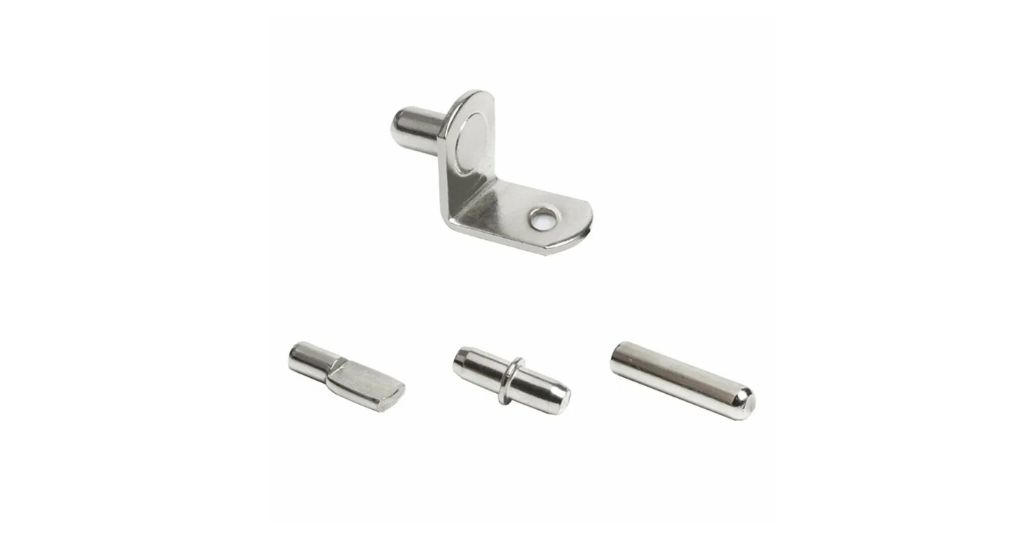
The 2mm shelf pin is designed to slip into those tiny pre-drilled holes in your cabinet sides, giving you adjustable shelving that you can reconfigure whenever your storage needs change. Most European and modern flat-pack furniture use either 3mm, 5mm, or this 2mm size for their shelf support systems.
If you’ve ever tried jamming a 5mm pin into a 2mm hole, you know why getting this measurement right matters—too small and the shelf wobbles dangerously, too big and you’re drilling new holes (and probably voiding your warranty). Measure the existing holes in your cabinet before ordering replacement pins.
These pins usually come in brass, steel, or plastic. Metal versions hold more weight but can scratch shelves during adjustment, while plastic ones are gentler but have lower weight limits. For light to medium loads like books or kitchen supplies, either works fine.
3. Crochet Hook (2.0mm/Size B-1)
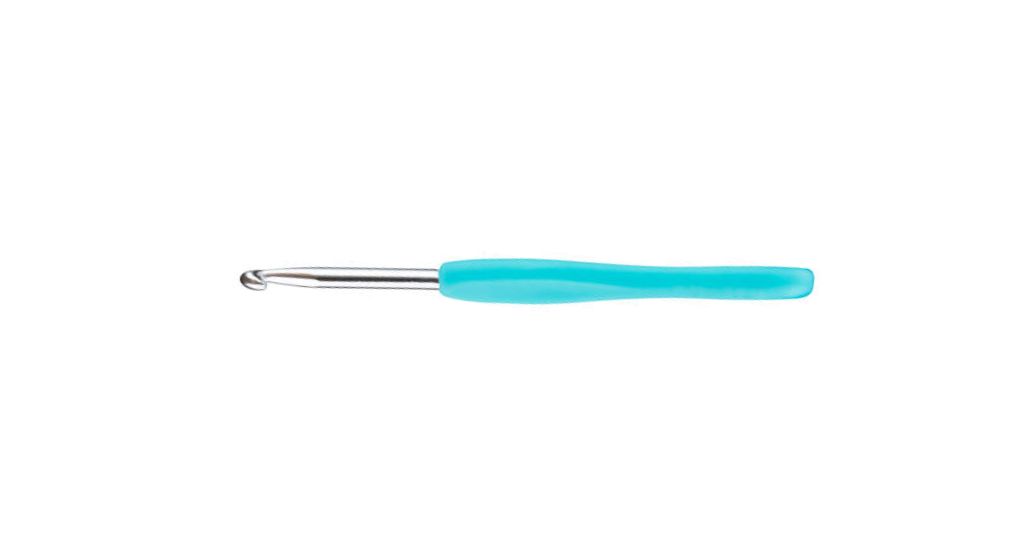
A 2.0mm crochet hook sits at the fine end of the hook spectrum, perfect for thread crochet, intricate lace doilies, or delicate jewelry making. If you’re working with embroidery thread or size 10 crochet thread, this is your go-to size.
Fair warning: if you’re used to chunky yarn projects, switching to a 2mm hook feels like trying to knit with toothpicks—but the results are stunning. You can create incredibly detailed patterns, delicate snowflakes, or tiny amigurumi figures small enough to fit in a bottle cap.
The learning curve is real. Your hands will cramp at first, and you’ll need good lighting to see the individual stitches. But once you get the hang of it, you’ll produce heirloom-quality lacework that looks store-bought. Keep magnifying glasses handy if your eyesight isn’t perfect.
4. Drill Bit (Precision Drilling)
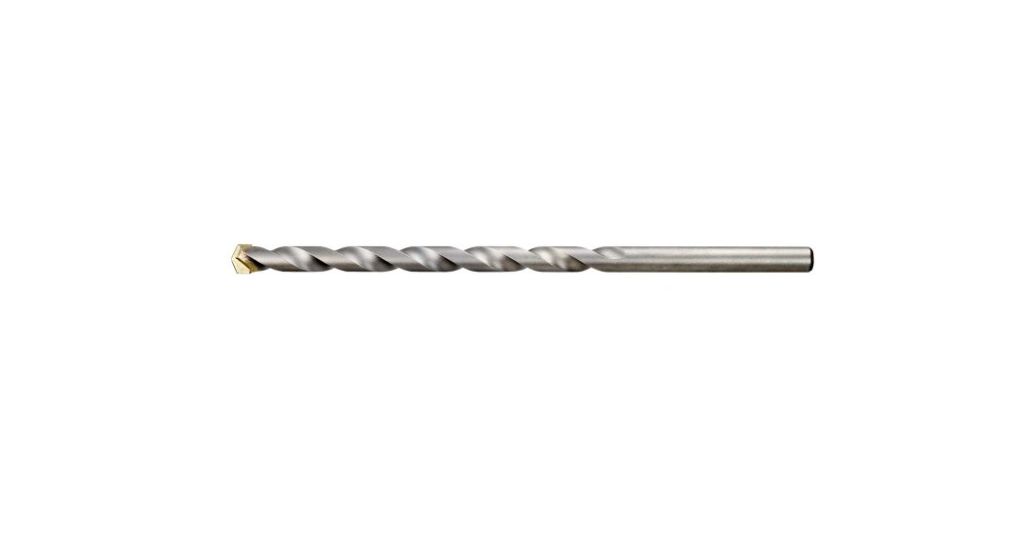
A 2mm drill bit creates holes exactly 2 millimeters in diameter, which you’ll need for mounting small electronics, creating pilot holes for tiny screws, or precision work in jewelry making. This size is common in eyeglass repair kits, electronics assembly, and hobby model building.
When drilling into hard materials like metal or dense hardwood, this size requires a steady hand and lower drill speed to prevent the bit from snapping. 2mm drill bits are tiny, so press gently and drill slowly to avoid breaking them. Mark the spot first so the bit stays on target.
And invest in a multi-pack because you will break a few while learning proper technique. Store them in a labeled container; once they hit your workshop floor, finding them again becomes an archaeological expedition.
5. Allen Wrench/Hex Key (2.0mm)
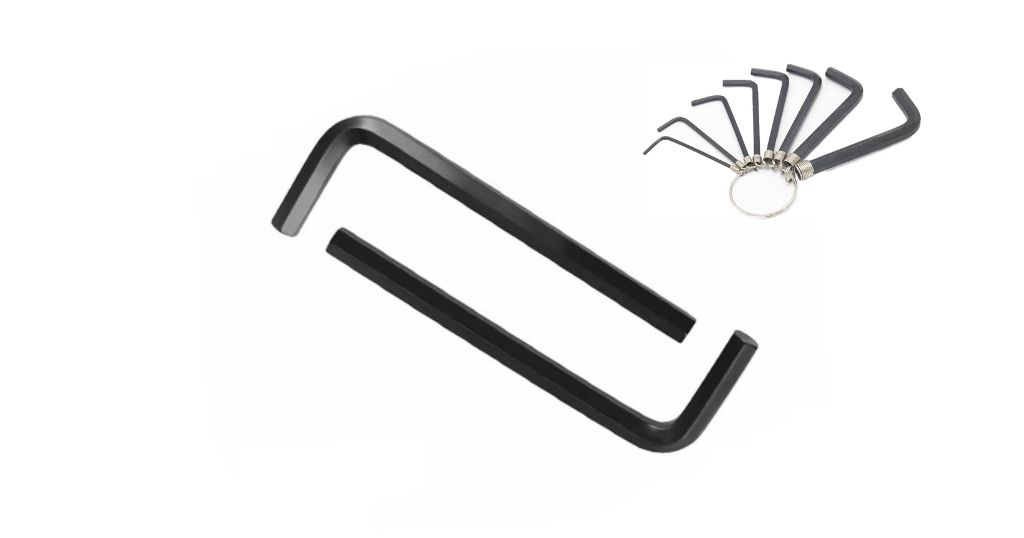
The 2.0mm Allen wrench fits socket cap screws with a 2mm hex socket, commonly found in eyeglasses, small electronics, and RC hobby equipment. This is one of the smaller sizes in a standard metric hex key set.
Keep one in your glasses repair kit—those tiny screws holding your frames together often use this exact size, and good luck finding one at midnight when your glasses fall apart. The 2mm wrench also appears in laptop disassembly, smartphone repair, and high-end kitchen appliance maintenance.
Because these wrenches are so small, they bend or strip more easily than larger sizes. Apply firm, even pressure straight into the screw head rather than at an angle. If a screw won’t budge, don’t force it—the wrench will round off the hex socket, making removal nearly impossible without drilling.
6. Lead Holder Refill (2mm Mechanical Pencil Lead)
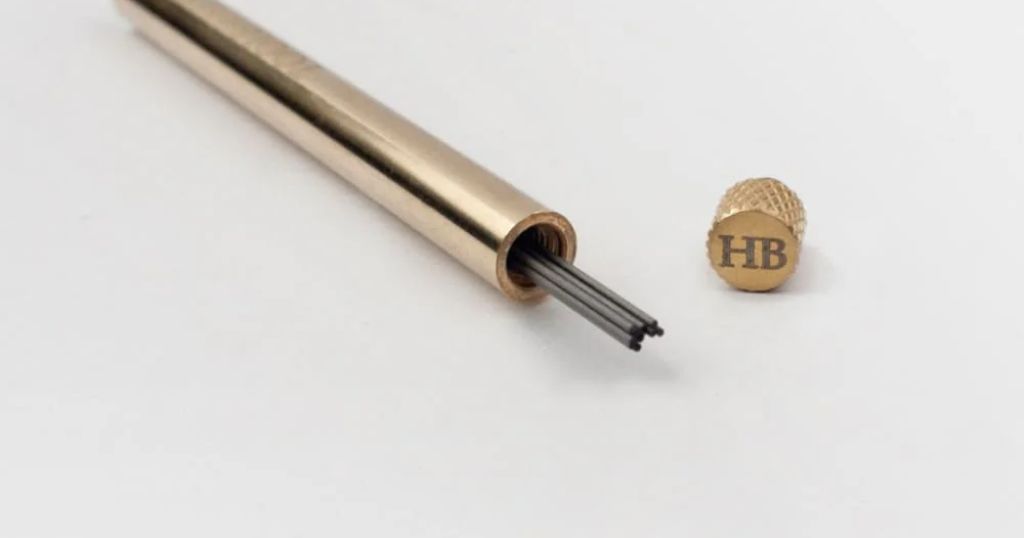
A 2mm lead refill is the thick, sturdy lead used in drafting pencils and lead holders favored by architects and artists. Unlike the flimsy 0.5mm or 0.7mm leads in regular mechanical pencils, these 2mm leads can be sharpened to a point for detailed work or used flat for shading.
The beauty of 2mm lead is its versatility. Sharpen it to a needle point for technical line work, then rotate it for broader strokes in architectural sketching. Artists love these for field sketching because the thicker lead doesn’t break when you’re drawing on uneven surfaces or in a moving vehicle.
You’ll need a special lead pointer or sharpener designed for 2mm leads—regular pencil sharpeners won’t work, and trying to use one will just destroy your lead. The most popular brands are Staedtler, Koh-i-Noor, and Pentel, with lead hardness ranging from 4H (very hard, light lines) to 4B (very soft, dark lines).
Read Also: How Big Is 50mm? 11 Common Things That Are 50mm (With Real Examples)
7. SMD Chip Resistor/Capacitor (2012 Metric Package)
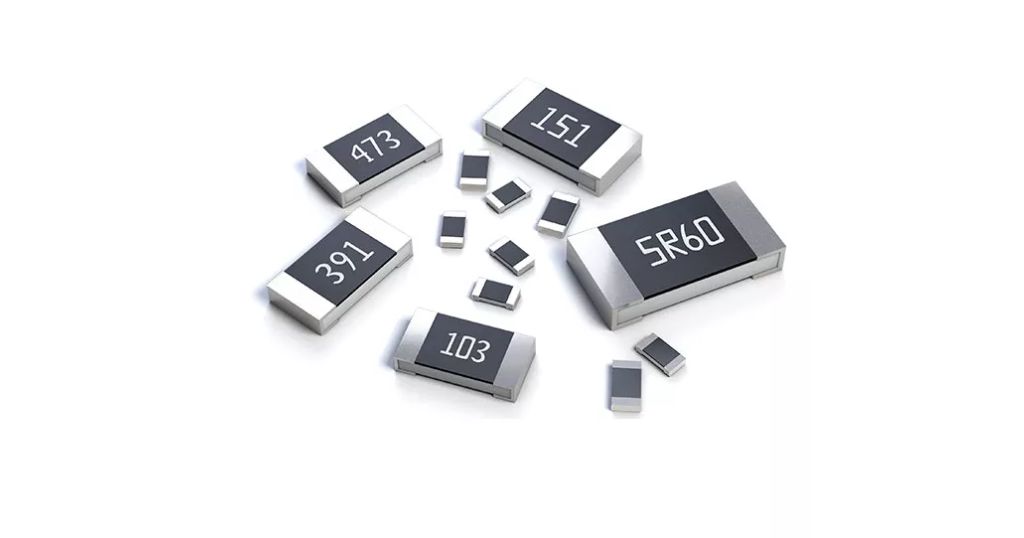
A surface-mount device in a “2012” package measures exactly 2.0mm long, making it one of the smaller components you’ll find on modern circuit boards. The package code “2012” literally means 2.0mm x 1.2mm in metric sizing.
If you’ve ever looked closely at your smartphone’s motherboard and seen those tiny rectangular chips, many of them are this size—small enough that professional assembly requires microscopes and steady hands (or robots). Hand-soldering these components is possible but requires excellent vision, a fine-tip soldering iron, and patience.
These miniature components allow circuit designers to pack incredible functionality into small spaces. Your fitness tracker, wireless earbuds, and smartwatch all rely heavily on 2012-sized components. Without them, your phone would be twice as thick and half as capable.
8. Header Pins (2.0mm Pitch Connector)
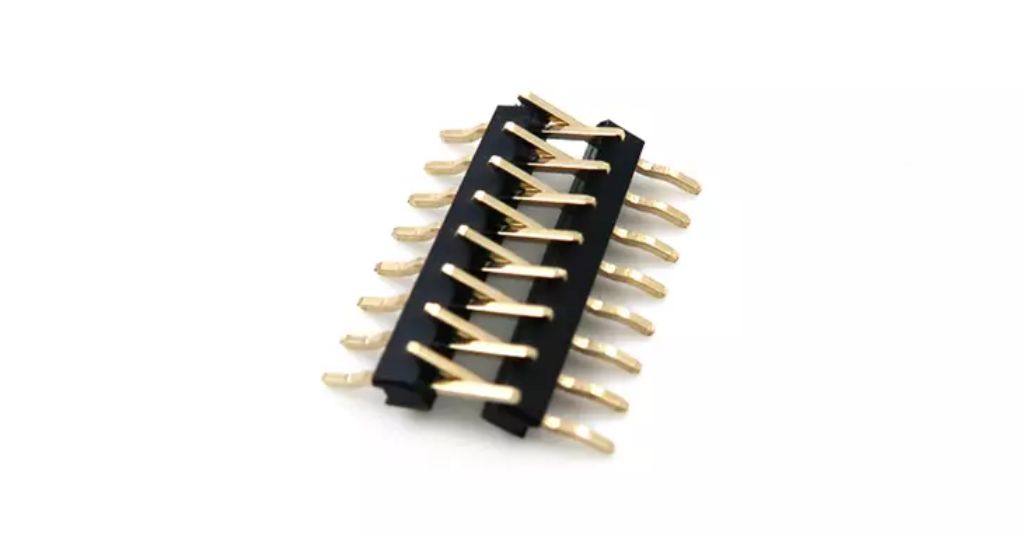
These connector pins sit 2.0mm apart from center to center, creating a tighter, more compact connection than the standard 2.54mm pitch you’ll find on most Arduino boards. The measurement refers to the spacing between pins, not the pin diameter itself.
Smaller pitch means more pins in less space, which is why you’ll see these in compact devices like camera modules, small displays, and wearable electronics. A 20-pin connector with 2.0mm pitch takes up significantly less board space than the same connector with 2.54mm spacing.
The downside? They’re harder to hand-solder and more difficult to prototype with on breadboards, since standard breadboards use 2.54mm spacing. You’ll often need adapter boards to connect 2.0mm pitch components to your prototyping setup. But for final production in space-constrained devices, the compact size is worth the extra assembly complexity.
9. Leather Punch Hole (2mm Hole Punch)
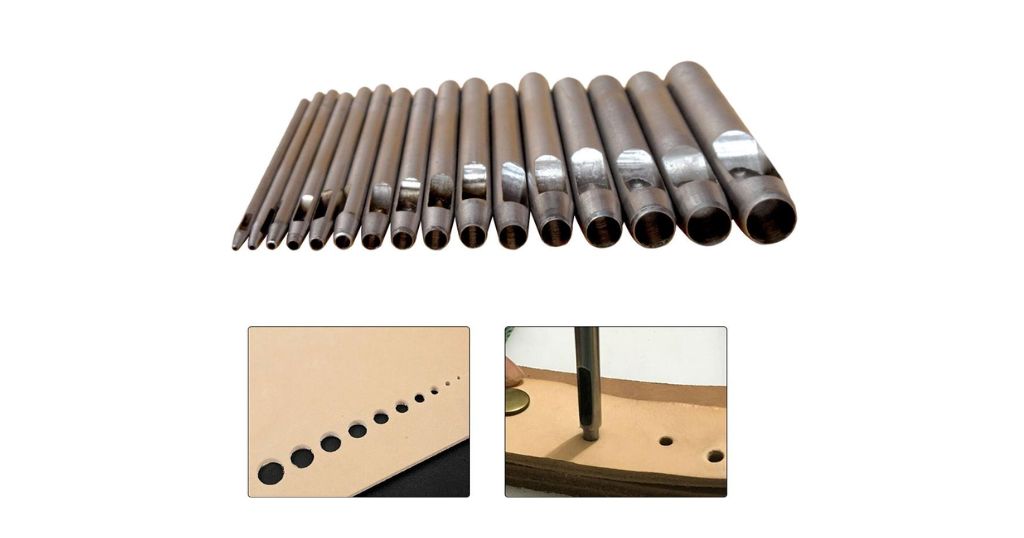
A 2mm leather punch creates a clean circular hole perfect for decorative stitching, lacing, or small rivets in leather projects. This size works beautifully for wallets, watch straps, and detailed leather artwork where you want visible stitching without bulky, oversized holes that weaken the material.
Leatherworkers often use 2mm holes spaced evenly along edges for saddle stitching—the classic hand-sewing technique that’s stronger than machine stitching. The small hole size keeps the thread tight and secure while maintaining the leather’s structural integrity.
When punching leather, always use a hard backing surface like a cutting mat or scrap wood block. Punching on a soft surface creates ragged holes instead of clean cuts. For best results, punch from the “good” side of the leather so any minor tearing happens on the back where it won’t show.
10. Trimmer Line (Medium Duty Nylon String)
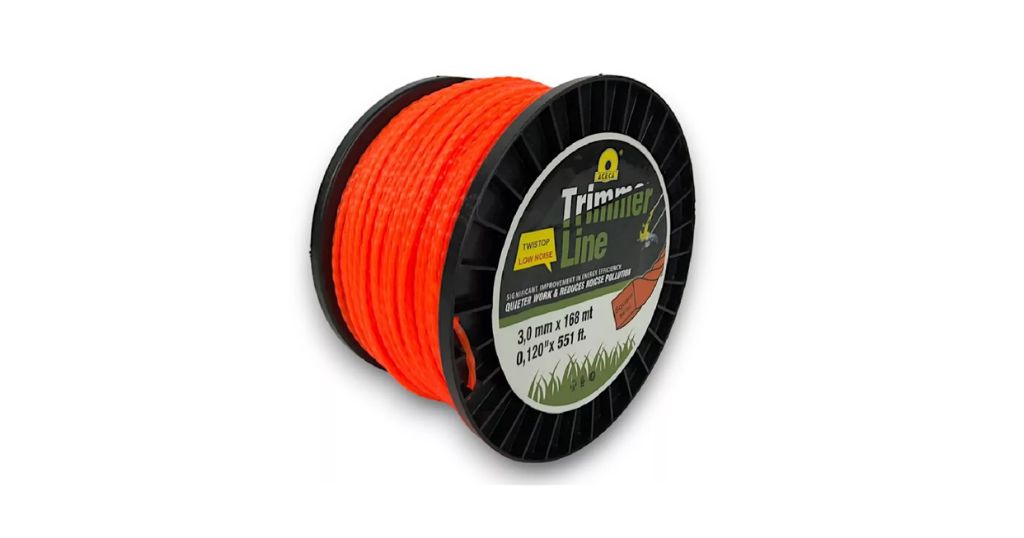
A 2.0mm trimmer line represents the medium-duty standard for string trimmers and weed whackers. This thickness balances cutting power with feed speed—thick enough to slice through weeds and light brush without constantly breaking, but not so heavy that it bogs down smaller trimmers.
Most homeowners with quarter-acre to half-acre properties find 2.0mm line hits the sweet spot. It handles typical lawn edges, fence lines, and garden borders without the constant reloading headaches of thinner 1.6mm line. For really tough overgrowth or thick brush, you’d step up to 2.4mm or 3.0mm.
Round 2.0mm line is quieter and cheaper, while twisted or square profiles cut more aggressively but wear out faster and cost more. If you’re just maintaining a tidy lawn edge, round works fine. If you’re clearing out neglected areas or tackling thick weeds, spend extra for shaped line.
Read Also: 12 Common Things That are 1 Inch Long
11. Glass Sheet (2mm Thickness)
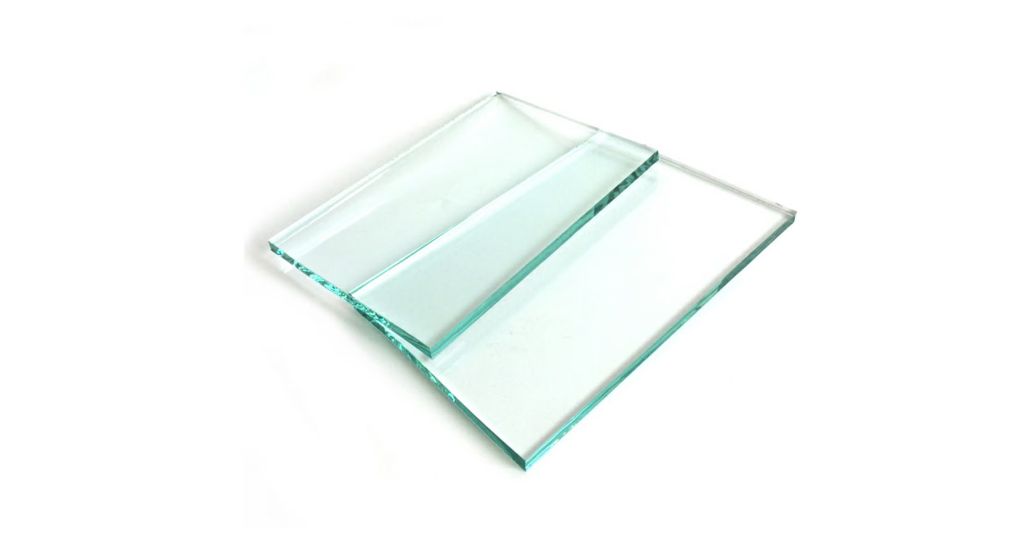
A 2mm glass sheet is incredibly thin—about 1/16 of an inch—making it lightweight and perfect for picture frames, small display cases, or greenhouse panels where weight matters. You’ll also see this thickness in lightweight photo frames and small craft projects.
Handle with extreme care. Glass this thin shatters easily and won’t hold up to any structural load or pressure. Even cleaning it requires a gentle touch—pressing too hard while wiping can cause stress fractures. For anything larger than an 8×10 picture frame, consider stepping up to 3mm for better durability.
The advantage of 2mm glass is weight savings in applications where you need transparency but can’t support heavy materials. Hobby greenhouse builders love it because it’s easy to cut and won’t put excessive load on lightweight frames. Just install it properly with adequate support around all edges.
12. Precision Metal Shim (2mm Thickness)
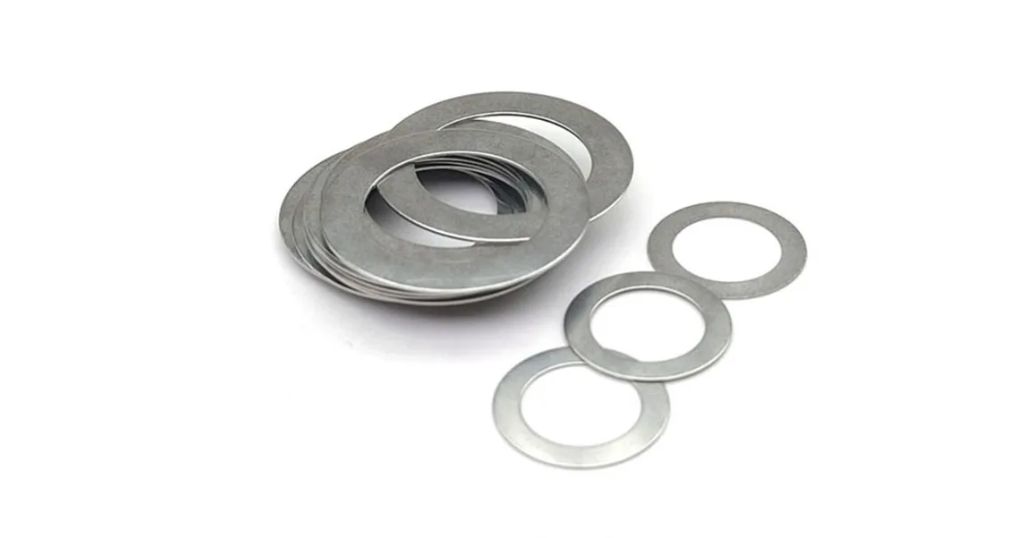
A 2mm metal shim fills gaps, levels machinery, or adjusts spacing in mechanical assemblies where precise measurements keep everything running smoothly. Mechanics use these when setting valve clearances, aligning engine components, or shimming hinges and locks to eliminate wobble.
Unlike guessing with washers or folded cardboard, a precision shim gives you an exact, repeatable measurement. This matters when you’re adjusting machinery tolerances or ensuring parts mesh correctly. A 2mm shim is thick enough to make noticeable adjustments without requiring stacks of thinner shims.
Shims come in steel, brass, aluminum, or stainless steel depending on the application. Steel is strongest, brass won’t spark (important around flammables), aluminum is lightest, and stainless resists corrosion. Choose based on your environment—marine or outdoor applications need stainless, while indoor machinery can use cheaper steel.
Practical Tips for Working with 2mm Measurements
Quick Visualization Hacks
Can’t find your ruler? Stack two credit cards on top of each other—their combined thickness is almost exactly 2mm. A standard U.S. nickel measures about 1.95mm thick, making it another pocket-sized reference you probably already have.
Need to measure a gap or hole? A standard toothpick tapers from about 2mm at the thick end to a point. If the thick end fits snugly, you’re looking at roughly a 2mm opening.
Buying the Right Size Online
When shopping for 2mm items online, watch out for listing errors. Some sellers mix up millimeters and inches (2mm vs. 2 inches is a massive difference), while others round measurements that shouldn’t be rounded.
Check the product specifications section, not just the title. Read reviews mentioning “too small” or “wrong size”—those reviews often reveal measurement mistakes before you waste money.
For tools and hardware, metric measurements like 2mm are exact, not approximate. A 2.1mm drill bit won’t work in a 2.0mm application, so don’t assume “close enough” will cut it.
Storage and Organization
2mm parts are tiny and easy to lose, and they can be dangerous for kids or pets. Store them in labeled compartments or use a magnetic tray.
Safety Considerations
Drill bits this thin snap easily under side pressure, sending sharp fragments flying—safety glasses aren’t optional. Always drill straight and let the bit do the work without forcing it.
Keep 2mm parts away from young children and pets. They’re perfect choking hazards that slip past most safety grates and guards.
When working with 2mm glass, remember that “thin” doesn’t mean “safe.” Thin glass produces especially sharp edges when broken. Wear gloves when cutting or handling broken pieces.
FAQs About 2mm Measurements
How big is 2mm on a ruler?
On a standard metric ruler, 2mm appears as the second small tick mark after each centimeter line. It’s 1/5 of a centimeter, or two tiny divisions on most rulers.
How big is 2mm in inches?
2mm converts to approximately 0.079 inches, which is roughly 5/64 of an inch. Since most imperial rulers don’t mark anything smaller than 1/16 inch (1.59mm), you can’t measure 2mm precisely on a standard inch ruler.
What is 2mm in cm?
2mm equals 0.2cm. There are 10 millimeters in every centimeter, so 2mm is one-fifth of a centimeter.
Can I substitute a 2mm part with something slightly larger or smaller?
For mechanical applications (drill bits, pins, fasteners), no—even 0.1mm can mean the difference between a perfect fit and complete failure. For some crafts, you might have wiggle room, but check first.
How can I measure 2mm without a ruler?
Use a U.S. nickel (1.95mm thick), stack two credit cards (approximately 2mm combined), or check your fingernail growth from about one month ago to your current cuticle line.
Is 2mm considered small or large?
In everyday terms, 2mm is definitely small—it’s in the “precision” category where you need tools or magnification to work comfortably. It’s smaller than a sesame seed but larger than a grain of salt.
Where do I commonly encounter 2mm measurements?
You’ll see 2mm specs in electronics (circuit boards, connectors), precision tools (drill bits, hex keys), crafts (crochet hooks, leather punches), and small hardware (shelf pins, screws). It’s also common in jewelry making and technical drawing supplies.
Key Takeaways: Making Sense of 2mm
Think of 2mm as roughly the thickness of two credit cards, one month of fingernail growth, or the width of a grain of rice. It sits right at the threshold of “I can see it clearly” and “I need better lighting.”
When you’re buying drill bits, crochet hooks, or any precision tool in this size range, the measurement matters. Don’t guess, don’t round, and don’t assume “close enough” will work.
Keep a few 2mm reference objects handy—a nickel, a specialty drill bit you don’t mind using for comparison, or even a labeled gauge card. Once you’ve handled and used a few genuine 2mm items, your eye starts calibrating.
Whether you’re drilling precise holes, creating delicate lacework, or just trying to figure out if those shelf pins will actually fit your cabinet, understanding 2mm puts you in control. Measure twice, order once, and save yourself the hassle of returns.

I am the editor and author of StoriesRadius.com, a blog about measurements and dimensions. I enjoy turning numbers and sizes into simple stories that anyone can understand. From everyday objects to curious facts, I share clear guides based on real research and experience. My goal is to make learning about length, height, and size fun, useful, and easy for all readers.