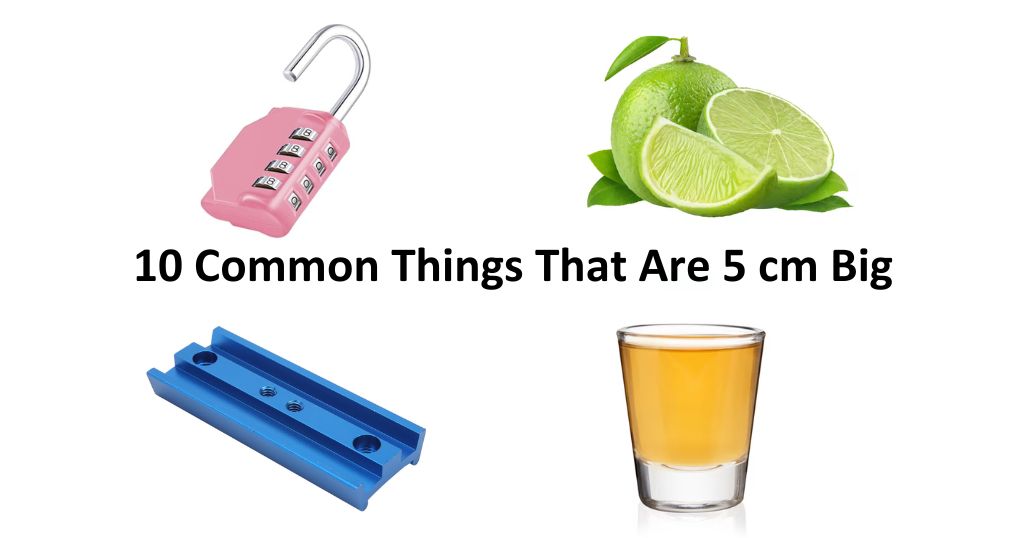
Picture this: you’re browsing online for a compact keychain tool, a small decorative bowl, or maybe checking the specs on a camera mount. The listing says “5 cm” and you pause. Is that bigger than a bottle cap? Smaller than a credit card?
Five centimeters equals about 1.97 inches—just shy of 2 inches—or roughly 0.16 feet. That’s the width of two fingers held side-by-side, or the diameter of a golf ball. It’s that sweet spot between “tiny” and “small”—compact enough to fit in your palm, but substantial enough to hold or notice.
Visualizing 5 cm Using Your Body
Before you dig out a ruler, use what you already have:
Two fingers width: Place your index and middle fingers together horizontally—that’s almost exactly 5 cm for most adults.
Thumb length (tip to first knuckle): The distance from your thumbnail to your first knuckle measures close to 5 cm on average hands.
Width of three stacked coins: Three US quarters placed side-by-side span just about 5 cm.
Half a credit card width: A credit card measures 8.56 cm, so 5 cm is a bit more than half that length.
These body hacks work anywhere—no measuring tape required.
10 Everyday Objects That Are 5 cm
| Object | Category | Measurement/Dimension |
| Pinch Bowl Rim | Kitchen & Dining | 5 cm interior diameter |
| Dovetail Mounting Plate | Photography & Astronomy | 5 cm length |
| Standard Bobby Pin | Personal Care | 5 cm when straightened |
| Medium Lime | Produce & Cooking | 5 cm diameter |
| Gym Padlock | Hardware & Security | 5 cm body width |
| Heavy-Duty Keyring | Accessories | 5 cm diameter |
| Standard Shot Glass | Barware | 5 cm height & rim diameter |
| Cupcake Liner Base | Baking Supplies | 5 cm base diameter |
| Miniature Wooden Dowel | Crafts & Modeling | 5 cm length |
| Sakurajima Komikan Orange | Specialty Produce | 5 cm diameter |
1. Pinch Bowl Rim (Kitchen & Dining)
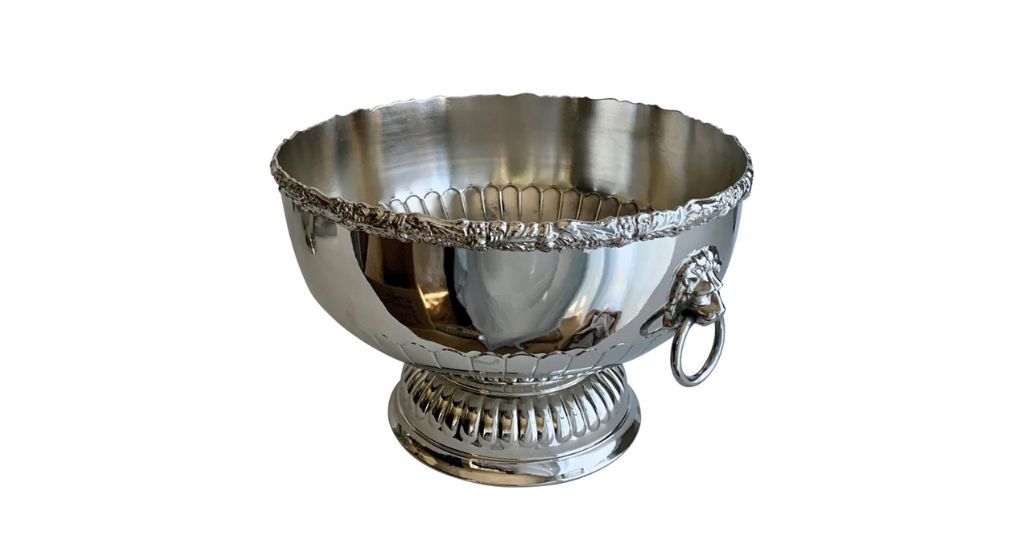
Small ceramic prep bowls used by home cooks and chefs for holding salt, minced garlic, or spices typically feature a 5 cm interior diameter. These tiny vessels sit perfectly in the corner of your cutting board without sliding around or tipping over.
If you’re organizing a kitchen drawer or looking for ramekins that won’t crowd your counter, this size nests easily. Stack four or five without worrying about them toppling when you reach for the top one. They’re also ideal for holding jewelry by your bathroom sink—the shallow depth means rings don’t get lost at the bottom.
2. Dovetail Mounting Plate (Photography & Astronomy)
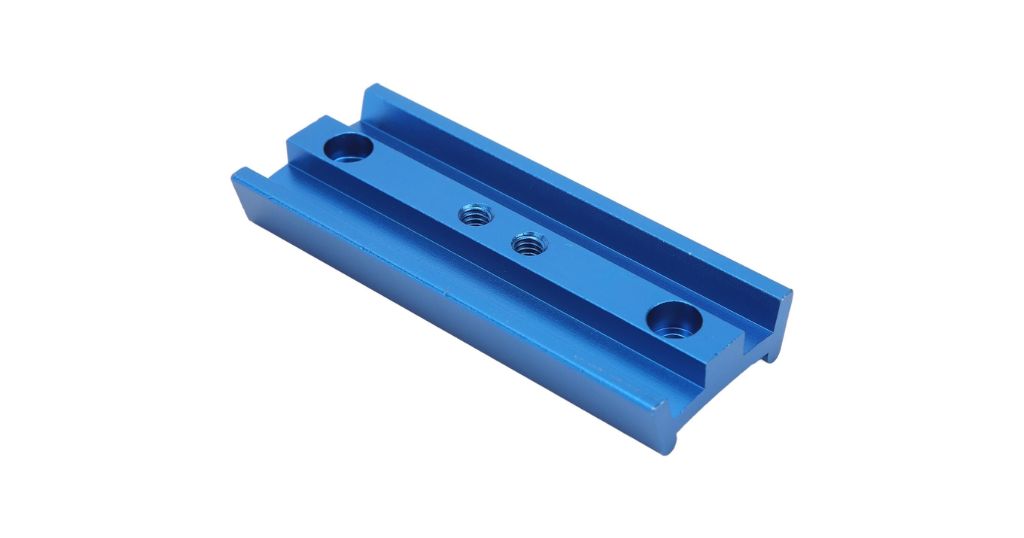
Mini dovetail plates for attaching guidescopes or small finder telescopes to astrophotography rigs measure exactly 5 cm long. These short plates work exclusively with compact accessories—try mounting a full-size guidescope and the clamp won’t have enough rail to grip.
Check your telescope’s compatibility specs before ordering. Many beginners buy these thinking “smaller is easier to pack,” then discover their equipment needs the 7 cm version. The upside? When they do fit, they reduce overall rig weight and make your setup more portable for dark-sky trips.
3. Standard Bobby Pin (Personal Care)
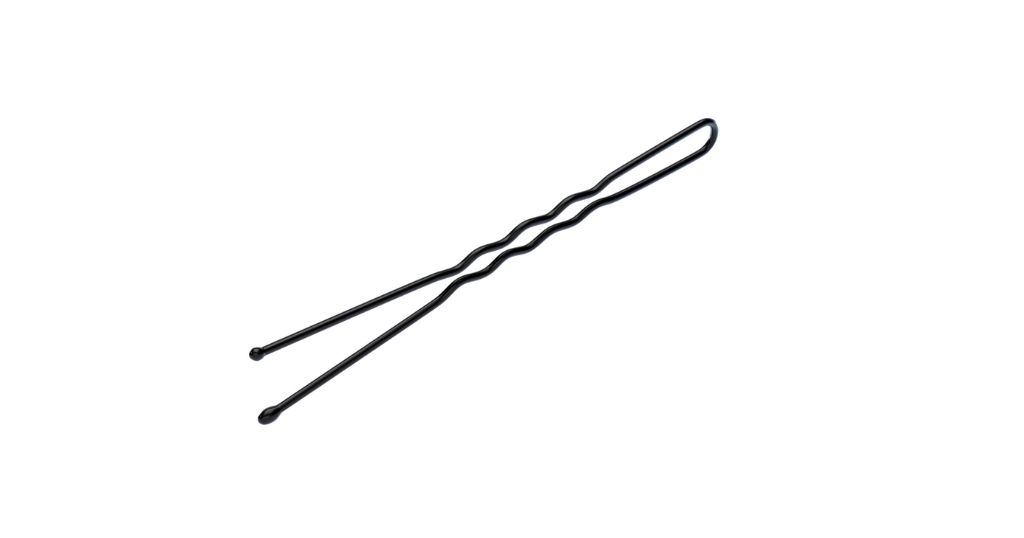
A typical hair grip or bobby pin stretches to about 5 cm when straightened. Most people don’t realize these make excellent makeshift tools—slide one into a stuck zipper pull, use it to reset tiny electronics buttons, or scrape price stickers off glass.
Keep a few in your wallet as measuring references when shopping for small hardware. Heading to the craft store for beads or findings? A bobby pin gives you an instant size gauge without fumbling for your phone’s ruler app.
4. Medium Lime (Produce & Cooking)
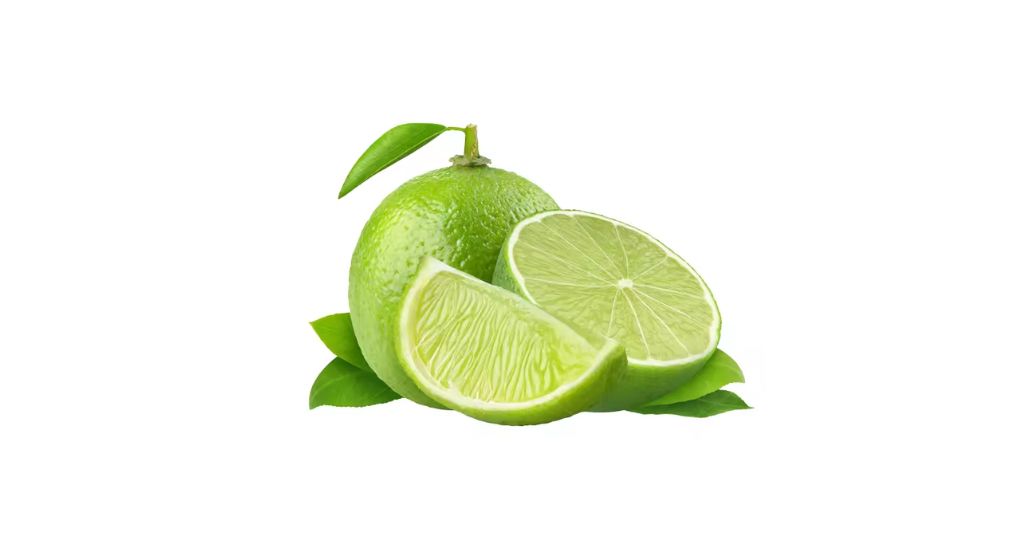
A Persian lime—the kind you grab at the grocery store for cocktails or cooking—measures roughly 5 cm in diameter. This size yields about 2 tablespoons of juice, perfect for a single recipe serving without waste.
When selecting limes at the market, roll them gently under your palm. Ones that feel heavy for their 5 cm size contain more juice and thinner skin. The lighter ones? Mostly pith. You’ll get half the juice and twice the bitterness.
Read Also: How Big Is 50mm? 11 Common Things That Are 50mm (With Real Examples)
5. Gym Padlock Width (Hardware & Security)
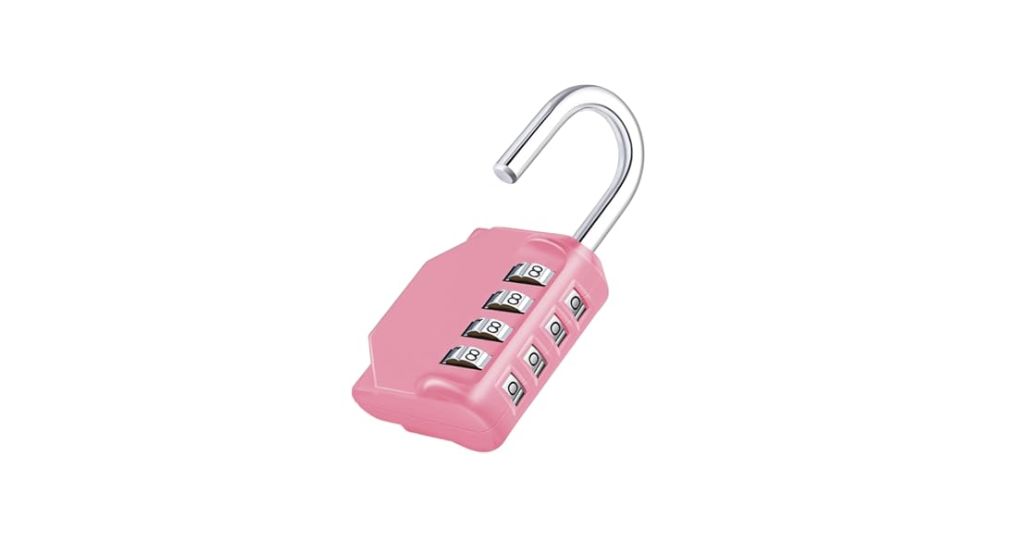
Medium-sized master locks or combination padlocks for lockers span 5 cm across the body. This width fits most standard locker hasps, but older school lockers with narrow openings won’t accommodate them.
Before buying, check your locker’s metal loop—if it’s the thin wire type, you need a 4 cm lock body. The 5 cm versions are built for heavy-duty hasps on storage units and gym lockers. The extra width also means the dial sits farther from the locker door, giving your fingers more room to spin combinations.
6. Heavy-Duty Keyring (Accessories)
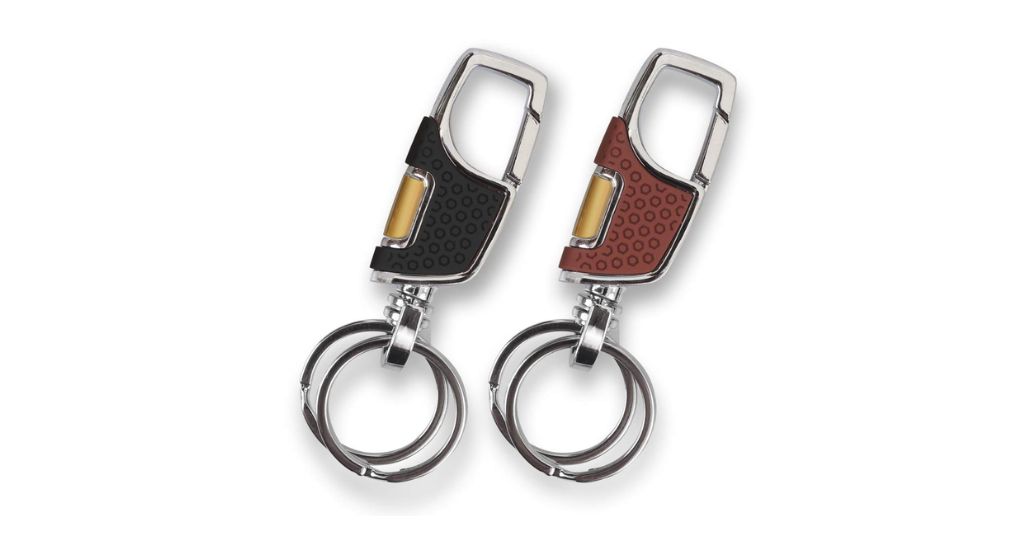
Large circular keyrings designed for commercial or industrial use have a 5 cm diameter. These hold more keys without tangling—up to 15 or 20 standard house keys fit comfortably on the ring.
The catch? They may feel bulky in smaller pockets, and car ignitions with tight key slot spacing can make turning the engine awkward. These work best for facility managers, landlords, or anyone who needs quick access to multiple locks. Clip them to a carabiner on your belt loop instead of jamming them in your jeans.
7. Standard Shot Glass Height (Barware)
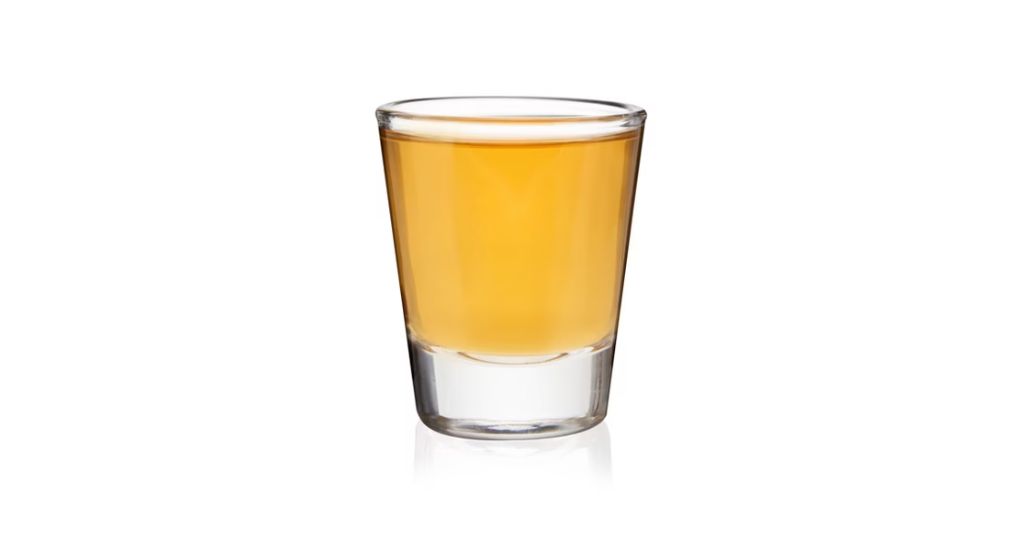
Many small shot glasses stand 5 cm tall with a matching 5 cm rim diameter, holding 30–50 ml of liquid. This compact size fits snugly in bar caddies and dishwasher racks without wasting space.
Bartenders prefer this height because it pours cleanly without splashing—taller glasses create more velocity and mess. Home users love them for serving individual desserts like panna cotta or chocolate mousse. The straight walls mean you can unmold chilled desserts without them sticking to angled sides.
Read Also: 12 Common Things That are 1 Inch Long
8. Cupcake Liner Base (Baking Supplies)
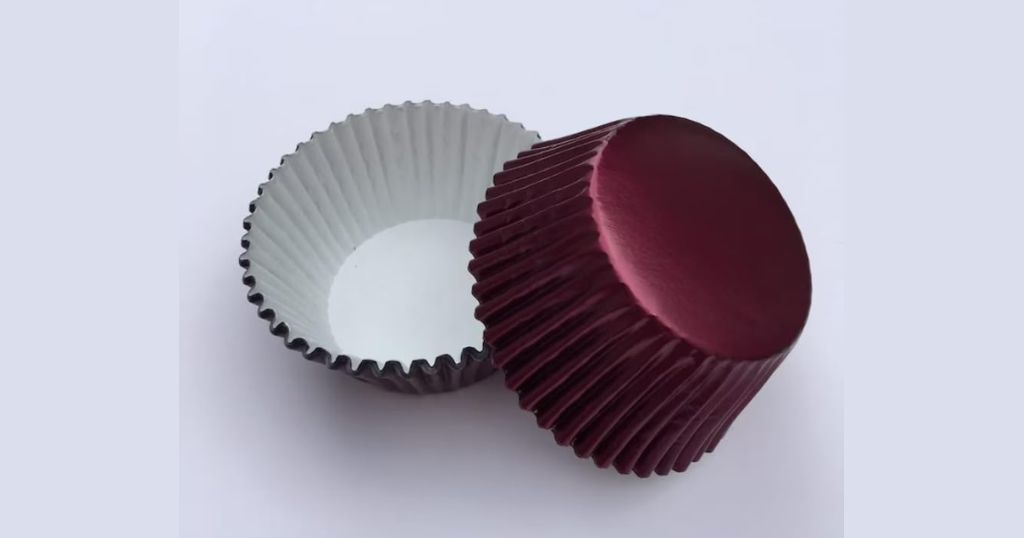
Standard paper or foil cupcake liners have a 5 cm base diameter before crimping. Double-check your muffin tin dimensions—using liners that are too small leaves batter overflow and burnt edges on the pan.
When the liner matches the tin properly, it creates a slight gap at the top that produces those professional-looking domed cupcake tops. Too-tight liners flatten the batter and give you hockey pucks. The 5 cm base also works perfectly for portion-controlled snacks—fill them with nuts, candy, or granola for lunch boxes.
9. Miniature Wooden Dowel Rod (Crafts & Modeling)
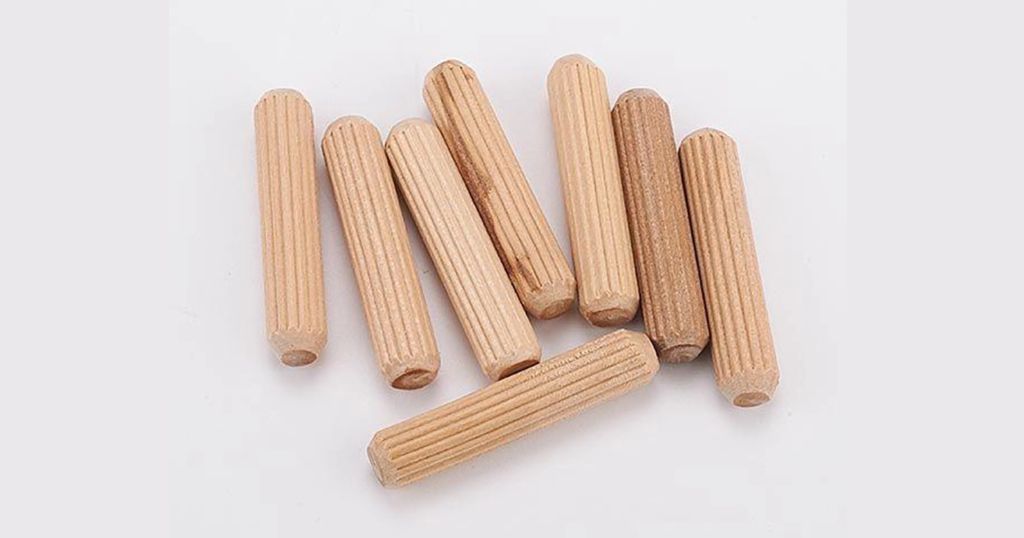
Pre-cut craft dowels sold in hobby stores often come in 5 cm lengths for dollhouse construction, model building, or small joinery projects. These work great as axles for toy cars or as pegs in handmade puzzles.
The short length prevents warping, which is common in longer dowels stored in humid basements. You can also sharpen one end to make custom plant markers for seedling trays—the 5 cm height keeps labels visible above soil without overshadowing young plants. Woodworkers use them as drilling depth gauges by marking desired depths with tape.
10. Sakurajima Komikan Orange (Specialty Produce)
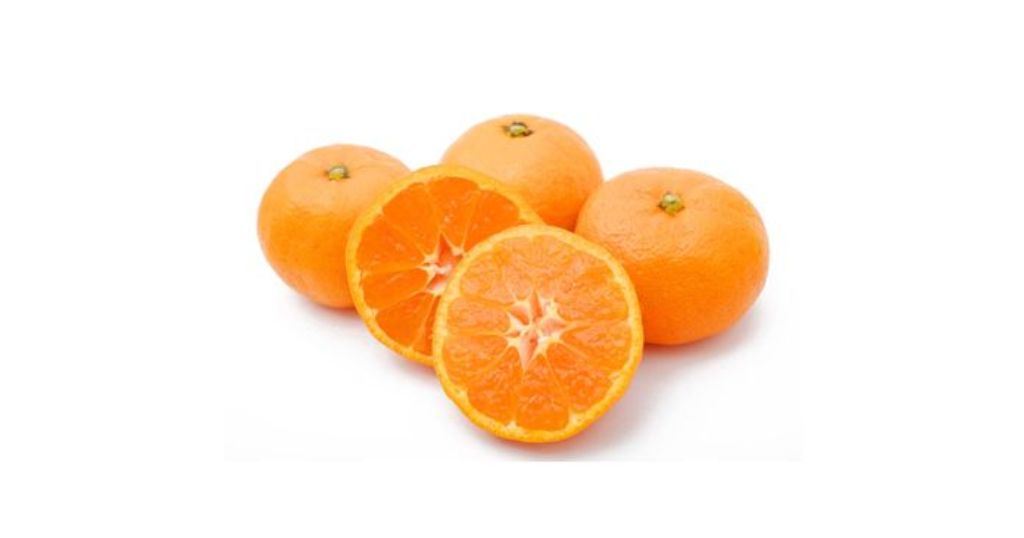
This petite Japanese mandarin variety measures about 5 cm in diameter—roughly the size of a ping-pong ball. You’ll find these at Asian markets during winter months, usually from November through February.
Their small size makes them ideal for bento boxes or single-serving snacks that don’t leave you too full. Kids love them because they can peel the entire fruit themselves without adult help—the thin skin practically falls off. One quirk: the smaller the komikan, the sweeter it tastes. Growers actually prize the 4–5 cm specimens over larger ones.
Practical Tips for Measuring and Estimating 5 cm
Quick estimation trick: Fold a standard sticky note in half lengthwise—the width of that fold is 5 cm.
Smartphone shortcut: Most phone cases are 7–8 cm wide, so 5 cm is about two-thirds of your phone’s width.
Doorway clearance: If you’re installing small hooks or shelves that are 5 cm deep, leave at least 8–10 cm total clearance from the door swing.
Packing tip: Items 5 cm or smaller fit easily in TSA-approved toiletry bags or jacket pockets.
Furniture spacing: When arranging decor on shelves, maintain at least 5 cm between objects to prevent a cluttered look and allow for easy dusting access.
Frequently Asked Questions
How big is 5 cm in inches on a ruler?
Five centimeters equals 1.97 inches, which sits just before the 2-inch mark on a standard ruler.
How big is 5 cm compared to everyday items?
It’s about the width of two adult fingers, slightly larger than a golf ball, and roughly half the width of a credit card.
Can I visualize 5 cm without a ruler?
Use your thumb from tip to first knuckle, stack three quarters side-by-side, or fold a sticky note in half lengthwise.
Is 5 cm considered small or medium?
For most household objects, 5 cm falls into the “small” category—compact enough for pockets but large enough to handle comfortably.
How many inches is 5 cm in feet?
Five centimeters equals 0.164 feet. Since this is less than 2 inches, it’s rarely expressed in feet for practical purposes.
What’s a simple way to remember 5 cm?
Think “golf ball plus a little extra” or “two finger widths.”
Does 5 cm height matter for small items?
Yes—for stackable containers, drawer organizers, or shelf clearance, even 1–2 cm differences affect fit and functionality.
Wrapping Up: Making 5 cm Work for You
Five centimeters might seem trivial on paper, but it’s the difference between a cabinet knob that feels proportional and one that looks awkward. At just under 2 inches, this measurement sits in that Goldilocks zone—small enough to be portable, big enough to be functional.
Whether you’re shopping for kitchen prep bowls, checking telescope mount compatibility, or just trying to picture how much counter space that new spice jar will claim, the two-finger trick never fails. Next time a product listing throws “5 cm” at you, hold up your hand and know exactly what you’re getting.

I am the editor and author of StoriesRadius.com, a blog about measurements and dimensions. I enjoy turning numbers and sizes into simple stories that anyone can understand. From everyday objects to curious facts, I share clear guides based on real research and experience. My goal is to make learning about length, height, and size fun, useful, and easy for all readers.