Picture this: you’re browsing online for a new padlock, reading product specs, and see “50mm body width.” Or maybe you’re ordering craft supplies and notice “50mm wooden blocks” in the description. You pause. How big is that, really?
50mm equals 1.97 inches (essentially 2 inches), 5 centimeters, or 0.16 feet. It’s roughly the width of an adult’s two fingers, or about the size of a golf ball. Understanding this size helps you pick the right size, see how it fits in your space, and avoid surprises like buying a padlock that’s too big for your shed latch or a cupcake liner that won’t fit your tin.
Quick Conversion Reference
- 50mm = 1.97 inches (practically 2 inches)
- 50mm = 5 centimeters
- 50mm = 0.16 feet
- 50mm = 0.05 meters
- 50mm fraction = 1 31/32 inches
Visualizing 50mm Using Your Body
Two fingers width: Hold your index and middle fingers together. For most adults, that’s nearly spot-on to 50mm. This works great when you’re shopping in-store without a measuring tape.
Thumb width: An average adult thumb measures about 25mm across, so two thumb widths stacked equals 50mm.
First knuckle to fingertip: On many people, the distance from your index finger’s first knuckle to the tip is close to 50mm—a handy quick reference.
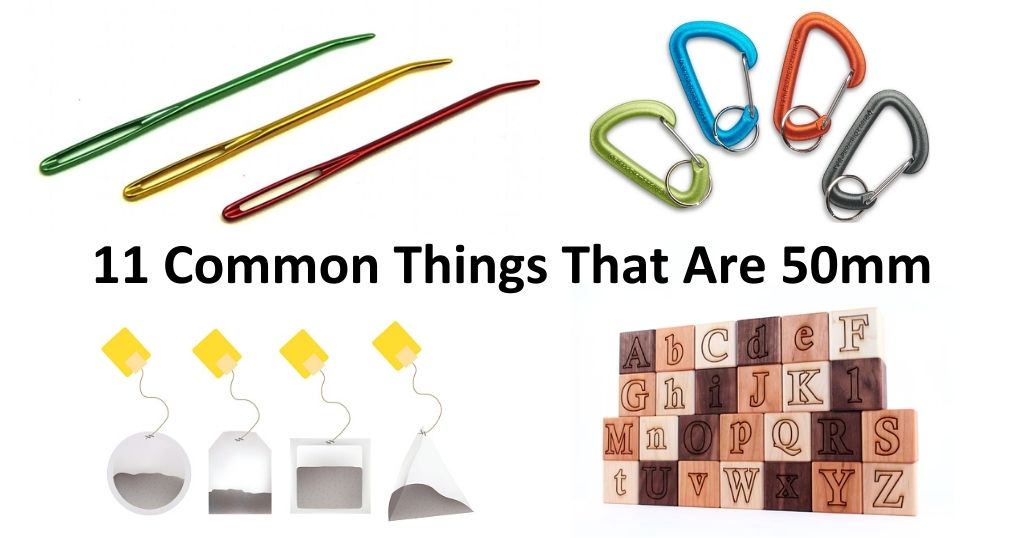
11 Common Things That Are 50mm
| Object | Category | Measure/Dimension |
| Mini Sticky Notes | Office Supply | 50mm × 50mm (square) |
| Business Card | Stationery | 50mm (height/short edge) |
| 2-Inch Paintbrush | Hardware/Tool | 50mm (brush head width) |
| Square Tea Bag | Food/Beverage | 50mm × 50mm (per side) |
| Large Safety Pin | Sewing/Craft | 50mm (total length) |
| Standard Cupcake Liner | Baking Supply | 50mm (base diameter) |
| Large Darning Needle | Sewing/Craft | 50mm (needle length) |
| Small Carabiner | Accessory/Hardware | 50mm (longest axis) |
| Wooden Alphabet Block | Toy/Craft Supply | 50mm × 50mm × 50mm (cube) |
| Standard Padlock | Security Hardware | 50mm (body width) |
| Professional Bobby Pin | Hair Accessory | 50mm (total length) |
1. Mini Sticky Notes
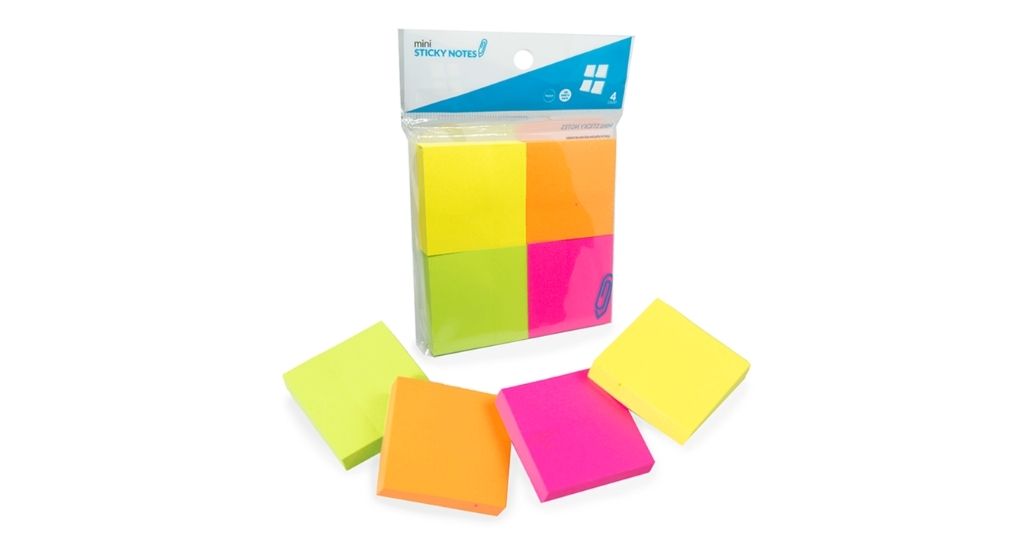
Those colorful Post-it® Super Sticky Mini Notes you use for quick reminders? Many come in exactly 50mm × 50mm squares. These compact versions are perfect for flagging pages in textbooks, leaving notes on your computer monitor, or marking important sections in planners without covering too much space.
The 50mm size gives you just enough room for a quick message while staying unobtrusive. You’ll find them in office supply stores, often sold in bulk packs with multiple colors. They stick reliably to most surfaces but peel off cleanly when you’re done—making them ideal for temporary notes that won’t damage pages or screens.
2. Business Card Height

Many business cards have a short edge very close to 50 mm, such as the standard 89 × 51 mm U.S. size commonly used in printing. This measurement is no accident; it fits perfectly in standard card holders and wallets while providing enough space for contact details without feeling cramped.
When designing your own cards, remember this dimension is what makes them pocketable. Business cards need to slip into jacket pockets, wallet slots, and networking event badge holders. The 50mm height has become a global standard because it balances readability with portability—any taller and they’d stick out awkwardly, any shorter and the text becomes cramped.
3. 2-Inch Paintbrush
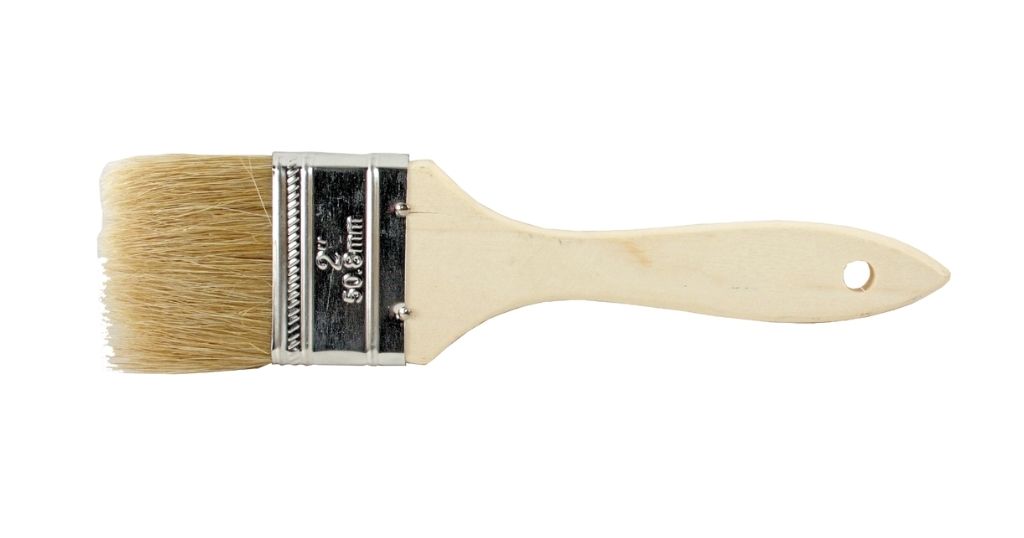
Hardware stores often list these as ‘2-inch’ or ‘50mm’ paintbrushes—both mean the same.
This brush is perfect for cutting in around trim, painting doors, touching up radiators, or reaching spots a roller can’t. Its width covers enough area quickly while still giving control in tight corners.
Professional painters often keep several on hand because they work for both detailed touch-ups and medium-sized painting jobs. The bristle width helps maintain a steady line along edges without spilling over.
4. Square Tea Bags
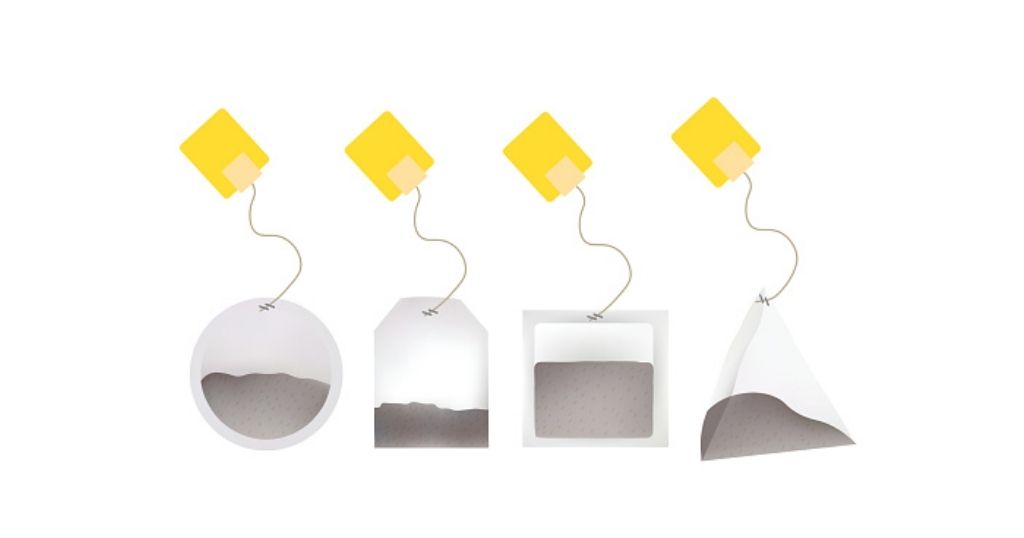
Next time you brew tea, measure that square bag—many standard single-serving tea bags are 50mm per side. This dimension has been standardized by manufacturers because it holds the right amount of tea leaves for one cup while allowing proper water circulation for steeping.
Walk down the tea aisle and you’ll notice most major brands use this size. The square shape packs efficiently in boxes and brewing one cup at a time is convenient. Some premium loose-leaf sachets might be slightly larger, but the 50mm square remains the benchmark for everyday black, green, and herbal teas.
5. Large Safety Pins
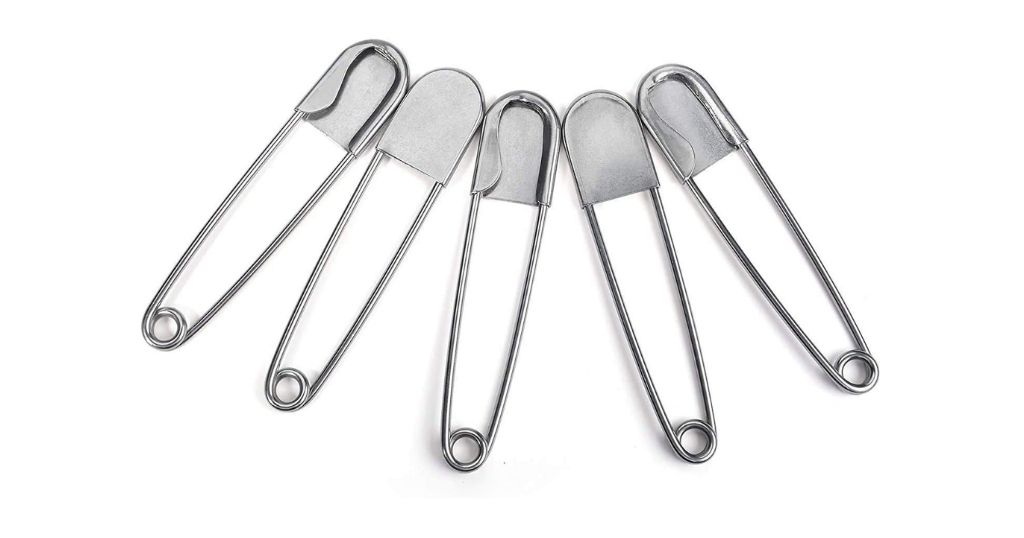
A 50mm safety pin is considered heavy-duty size, often labeled as “large” or “extra-large” in craft stores. These aren’t for fixing a fallen hem—they’re built for securing thick blankets, attaching costume pieces, holding together upholstery during repairs, or even temporary curtain adjustments.
A large 50mm pin can slide through multiple fabric layers without bending. These are usually found in sewing kits for quilters, costume makers, and upholstery projects—not everyday repairs. The clasp mechanism on 50mm pins is typically stronger too, designed to stay closed even when pinning heavy materials that create tension.
6. Standard Cupcake Liner Base
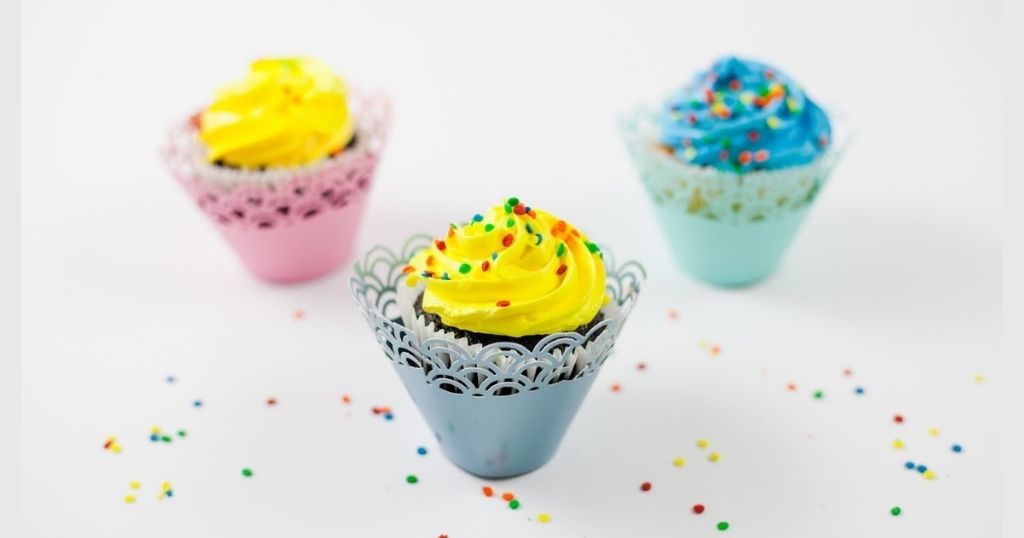
The bottom diameter of most standard cupcake liners measures about 50mm, designed to fit perfectly into regular muffin tins. Bakers appreciate this measurement because it’s been standardized across most brands (though sizes vary slightly from 45-53mm).
When a recipe calls for “standard” cupcake liners, this 50mm base is what they mean—not mini, not jumbo. For bakers, the base of a standard cupcake liner is important as it decides how much batter fits and how long it bakes. If you accidentally buy mini liners (around 30mm base) for a standard tin, they’ll swim around and your cupcakes will spread unevenly. The 50mm base creates that classic cupcake dome shape everyone recognizes.
7. Large Darning Needle
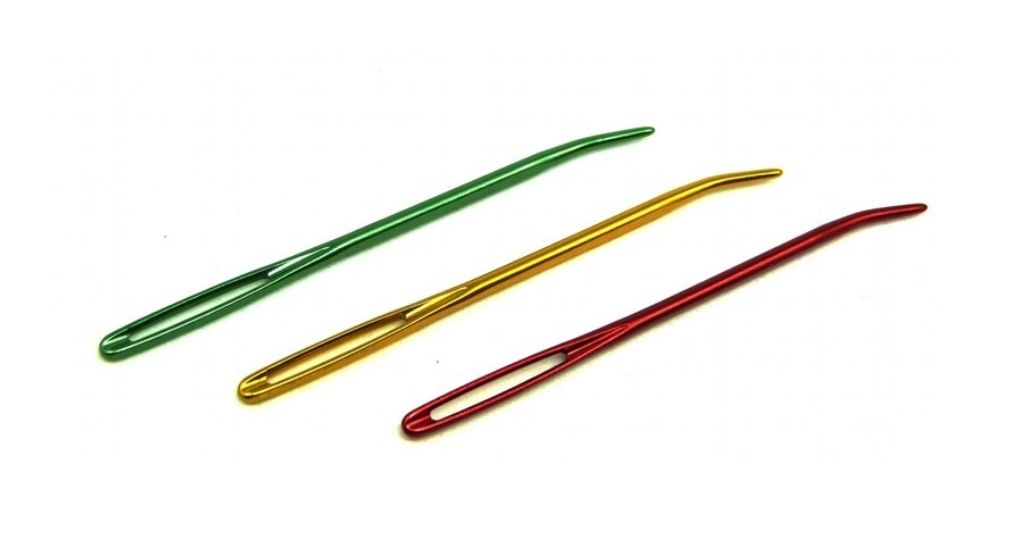
In assorted needle packs, you’ll find large-eye darning needles at 50mm length. This size handles thick embroidery floss, yarn, or heavy thread without bending, making them ideal for visible mending, thick fabric repairs, or crafts involving ribbon.
At 50mm long, this needle provides enough space to hold comfortably when working with thick thread or yarn. Regular sewing needles are typically 30-40mm long, but darning needles need extra length because you’re pulling thicker materials through fabric.
The large eye (the hole at the top) can accommodate yarn up to worsted weight, opening up possibilities for decorative stitching and creative repairs that turn holes into design features.
8. Small Carabiner
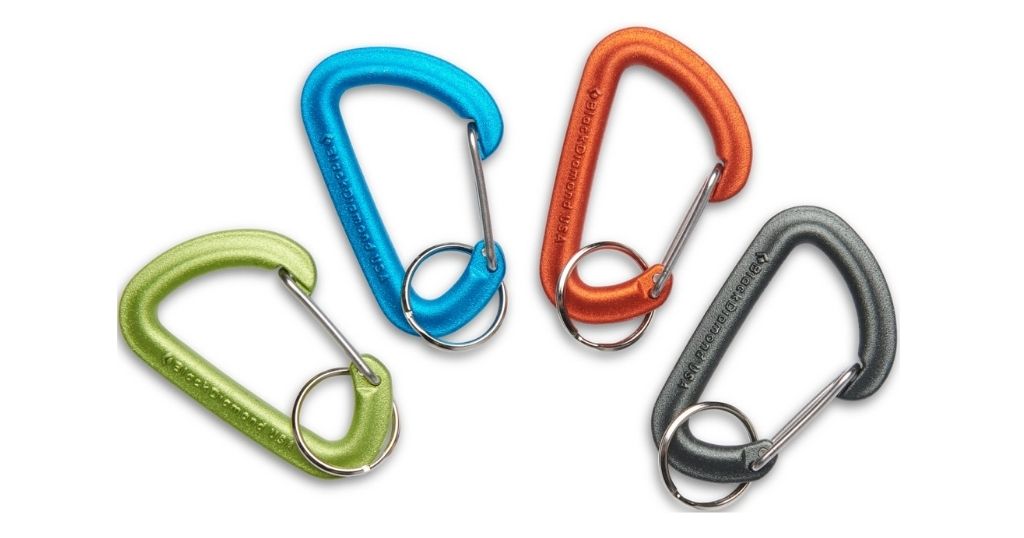
Those lightweight carabiners attached to backpacks, keychains, and water bottles? Many measure 50mm along their longest axis. They’re classified as “accessory carabiners”—not rated for climbing, but perfect for organizing gear, clipping items to belt loops, or keeping keys accessible.
The 50mm carabiner is perfect for clipping small items like a water bottle or keys to your backpack or belt. Its size keeps items secure without adding bulk or bouncing around while you move. They’re large enough to hook onto backpack straps, D-rings, and zipper pulls but small enough to fit through key rings and bag loops without creating bulk.
9. Wooden Alphabet Blocks
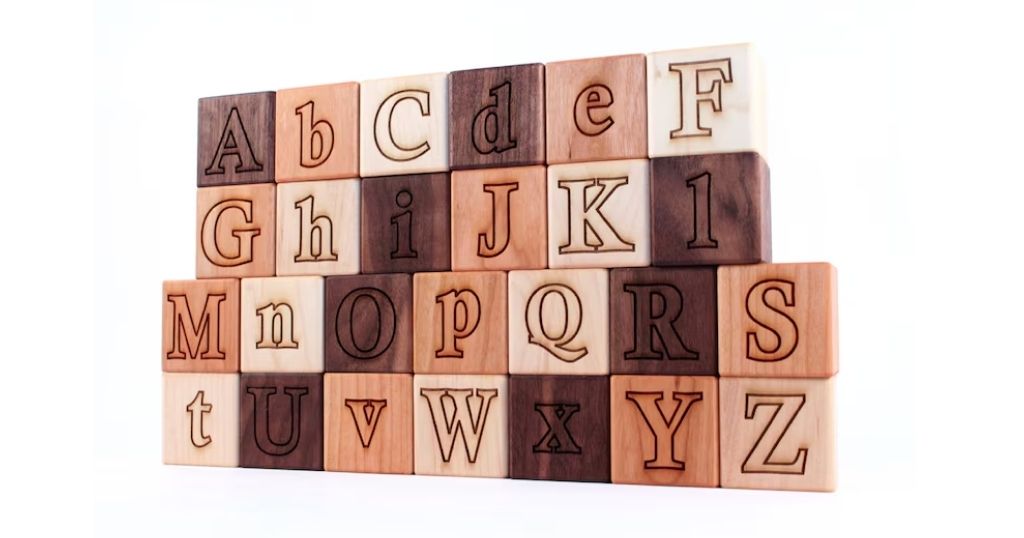
Classic 50mm wooden alphabet blocks (about 2 inches per side) are a standard size for educational toys and craft supplies. You’ll find them sold as unfinished natural cubes for DIY projects or as manufactured toy sets with letters, numbers, and pictures.
This dimension is small enough for toddler hands to grasp but large enough to prevent choking hazards, meeting safety standards while providing stable stacking. The 50mm cube size has been used in childhood education for over a century because it’s the sweet spot for developing fine motor skills. Blocks this size won’t topple as easily as smaller ones, letting kids build taller towers before physics takes over.
10. Standard Padlock Body
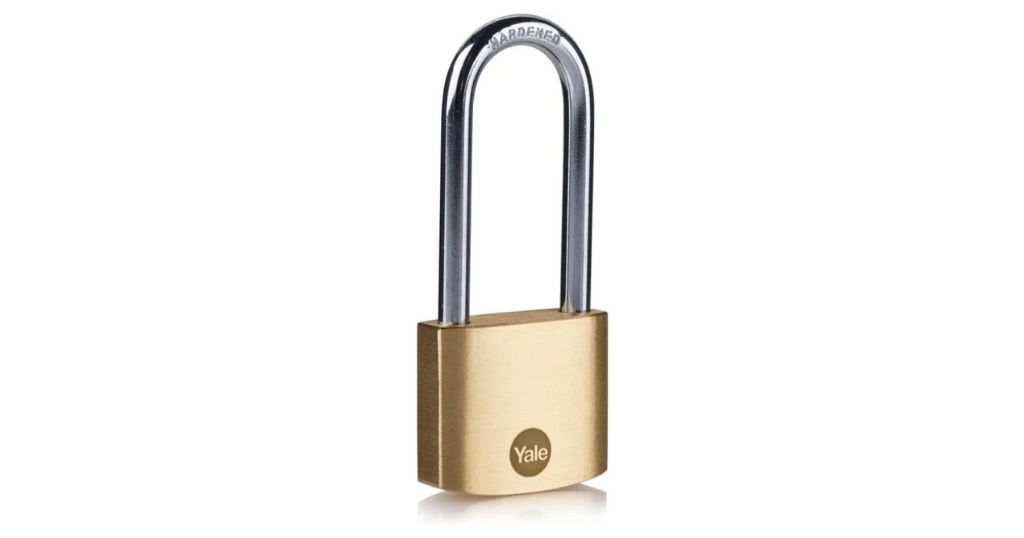
When shopping for padlocks, “50mm” typically refers to the body width—a very common size from brands like Yale, Abus, and Master Lock. This size works for most residential needs: garden sheds, storage unit doors, lockers, or gates.
The 50mm padlock fits most standard hasps and chains and is strong enough to protect garden sheds or storage doors. Its size allows easy handling without feeling heavy in your hand. The 50mm body width usually pairs with a shackle (the U-shaped part) that’s about 20-25mm wide, fitting through most standard hasps and chain links.
Security professionals consider this the minimum size for outdoor use—anything smaller lacks the internal mechanism space for reliable weather resistance and pick resistance.
11. Professional Bobby Pins
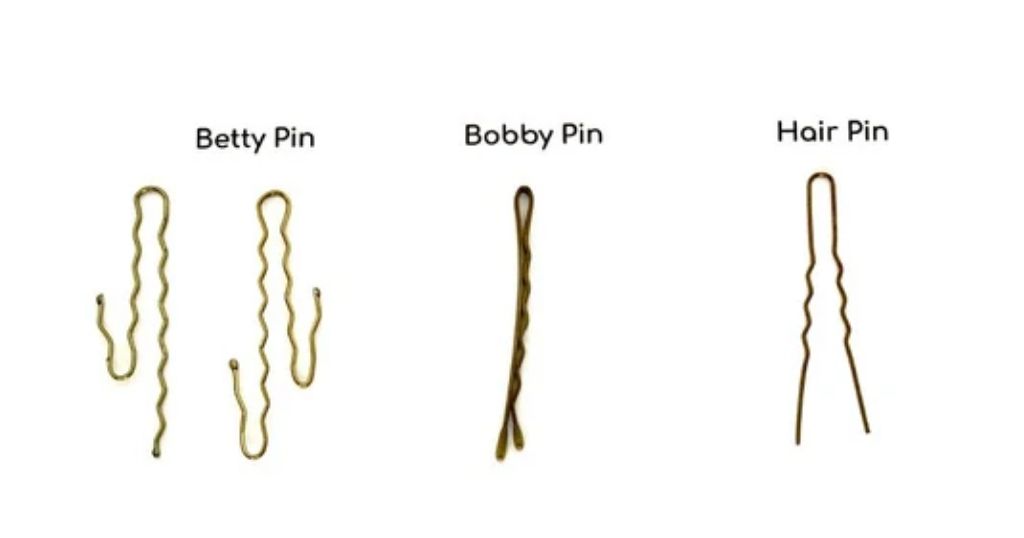
Regular or “large” bobby pins used by hairstylists measure right around 50mm from end to end. This length is longer than the small bobby pins (usually 40mm) and works for securing updos, pinning back thicker sections of hair, or holding styles on various hair types.
When shopping, you’ll often see these listed as “2-inch” or “50mm” professional bobby pins. Adding 10mm more than regular pins, these bobby pins hold thicker or longer hair much better. Stylists can grip more hair between the two prongs, creating stronger holds that last through events, photoshoots, or long workdays. The 50mm size is particularly useful for pinning curls in place while they set or securing the base of buns and French twists.
Practical Tips for Working with 50mm Measurements
Quick measuring without a tape: Stack two U.S. quarters (each about 24mm) with a tiny gap between them—that’s roughly 50mm. Or use a standard AAA battery, which measures about 44mm long (close enough for quick estimates).
Shopping online with confidence: When product dimensions list 50mm, pull out a dollar bill and fold it lengthwise—the folded width is about 66mm, so 50mm is slightly less than that fold.
Crafting and DIY projects: Use 50mm as a quick guide for small cuts and measurements. For example, mark 50mm on scrap wood with tape before cutting, or use 50mm cupcake liners as tiny molds for resin, clay, or craft paints. These little tricks save time and reduce mistakes.
Storage and organization: Items around 50mm fit perfectly in standard drawer dividers, small compartment organizers, and travel containers.
Frequently Asked Questions
Is 50mm considered small or large?
It depends on context. For a padlock or carabiner, 50mm is small-to-medium. For a safety pin or needle, it’s large. For a paintbrush, it’s a standard utility size.
How can I visualize 50mm without measuring?
Use the two-finger method: hold your index and middle fingers together—that width is typically 50-55mm for adults. Or think of a golf ball’s diameter (about 43mm), which is close enough for quick mental pictures.
Are 50mm measurements always exact?
Not always. Product specifications may list “approximately 50mm” or “about 2 inches” because manufacturing tolerances exist. A cupcake liner base might range from 48-52mm and still be called “50mm standard.”
What’s the difference between 50mm and 50cm?
Huge difference—50mm is 5 centimeters (small), while 50cm is 500 millimeters (much larger, about 20 inches). Don’t confuse millimeters (mm) with centimeters (cm).
How do I convert 50mm to feet?
50mm equals 0.164 feet, or roughly 1/6 of a foot. This conversion rarely comes up in daily life since feet are better for larger measurements.
Key Takeaways
50mm, or about 2 inches, shows up everywhere—from sticky notes to bobby pins. Knowing this size helps with shopping, crafting, and everyday tasks without guesswork. Keep the two-finger trick in mind—it’s the easiest way to picture 50mm instantly.

I am the editor and author of StoriesRadius.com, a blog about measurements and dimensions. I enjoy turning numbers and sizes into simple stories that anyone can understand. From everyday objects to curious facts, I share clear guides based on real research and experience. My goal is to make learning about length, height, and size fun, useful, and easy for all readers.