Picture this: you’re browsing online for a new wardrobe, and the listing says “100 cm wide.” You pause. Is that roomy enough for your winter coats? Will it even fit through your bedroom door?
Here’s the quick breakdown: 1 meter equals 3.28 feet (or about 3 feet 3 inches) and exactly 100 centimeters. It’s roughly the distance from the floor to your kitchen countertop. For most adults, it sits somewhere between hip and waist height—a measurement you encounter daily, even if you don’t realize it.
Human-Scale Reference Points
For the average adult: Hold your arm straight out to your side. Now imagine cutting that distance in half—that’s roughly 1 meter.
Children’s perspective: A healthy 4-year-old child stands almost exactly 1 meter tall. If you’ve got a preschooler at home, they’re your walking measuring stick.
Quick body hack: For most people, the distance from your fingertips to the opposite shoulder (measured diagonally across your chest) comes close to 1 meter.
Walking it out: One comfortable adult stride covers about 0.7 to 0.8 meters. So a meter is just a bit longer than one full step—imagine taking a step and adding the length of your foot.
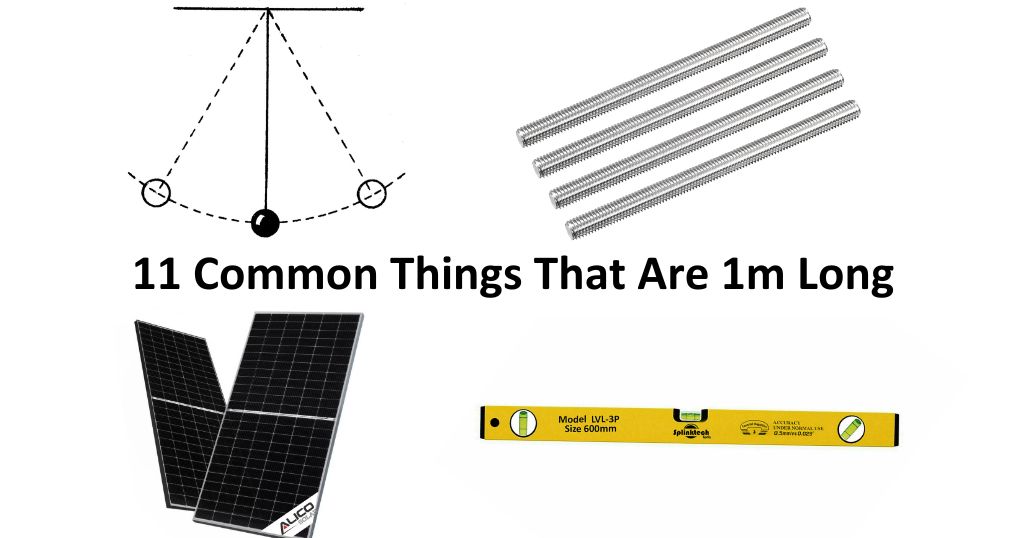
11 Everyday Objects That Are 1 Meter Long
| Object | Category | Measure/Dimension |
| 4-Year-Old Child | Human Reference | Height: 100 cm |
| Double-Door Wardrobe | Furniture | Width: 100 cm |
| Professional Spirit Level | Construction Tool | Length: 1000 mm |
| Laboratory Glass Tubing | Scientific Equipment | Length: 1000 mm |
| Woodworking T-Track | Workshop Tool | Length: 1000 mm |
| Large-Format Floor Tile | Building Material | 100 cm × 100 cm |
| Industrial Conveyor Belt | Industrial Equipment | Width: 1 meter |
| Residential Balustrade | Safety Structure | Height: 1 meter (minimum) |
| Metric Threaded Rod | Hardware | Length: 1000 mm |
| Physics Pendulum | Educational Tool | Effective Length: 1 meter |
| Solar Panel | Energy Equipment | Width: ~1 meter |
1. A 4-Year-Old Child’s Height

The average height for a 4-year-old globally hovers right around 100 cm. This makes them a living, breathing visualization of this measurement.
Next time you’re trying to estimate a meter, think of a preschooler. It’s one of the most relatable references you’ll find, especially for parents or teachers. Kids this age are also at that perfect height where they can comfortably reach low shelves and counters designed for accessibility.
2. Double-Door Wardrobe (Width)

Walk into any IKEA or furniture store, and you’ll find that large two-door wardrobes typically measure exactly 100 cm across. This standard width fits neatly against most bedroom walls while providing ample storage space.
The 1-meter dimension isn’t random. It’s wide enough to hang clothes without crowding, but narrow enough to navigate through hallways during delivery. Most manufacturers stick to this because it balances capacity with the realities of apartment living and tight staircases.
3. Professional Spirit Level
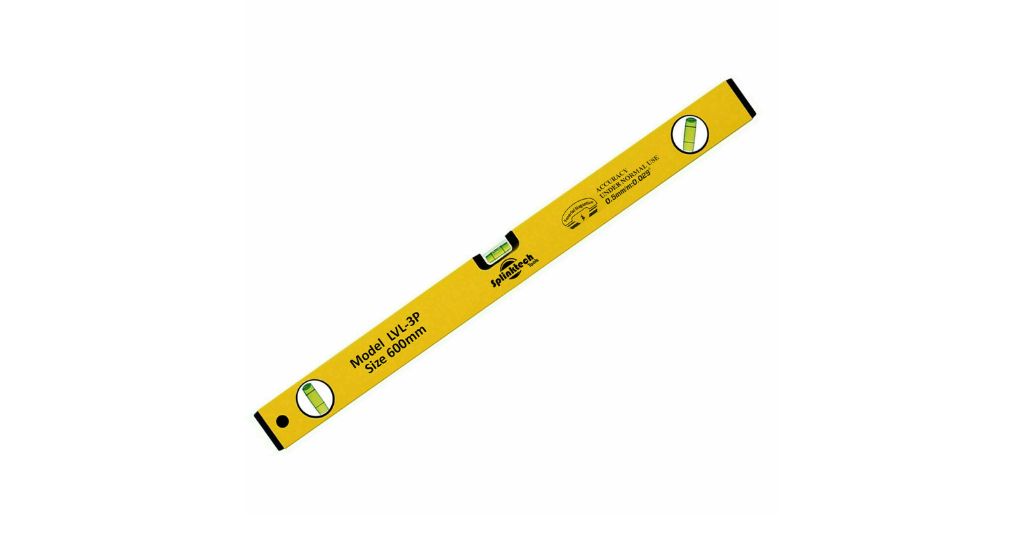
Construction workers and serious DIYers rely on 1-meter (1000 mm) spirit levels for jobs requiring precision over longer distances. Think framing walls, installing kitchen counters, or laying large-format tiles.
The extended length ensures accuracy that shorter levels simply can’t match. When you’re checking whether a 2-meter countertop is truly flat, a 30 cm level only shows you small sections at a time. A meter-long level reveals the true plane across the entire surface, catching dips and rises that shorter tools miss.
4. Laboratory Glass Tubing
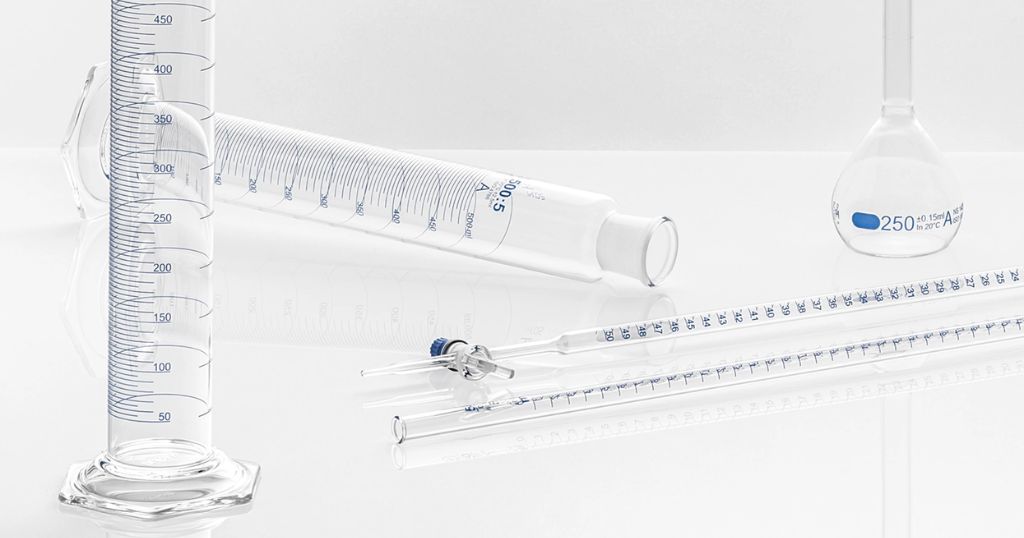
In scientific supply catalogs, standard “long” glass tubes come pre-cut to exactly 1000 mm. Chemists and lab technicians appreciate this universal length because it fits standard lab benches and equipment racks perfectly.
These tubes are used for everything from distillation setups to gas delivery systems. The 1-meter length strikes a balance—long enough for complex apparatus configurations, but short enough to store safely in standard lab cabinets. You’ll also see this length in educational settings where demonstrations need to be visible to an entire classroom.
5. Woodworking T-Track
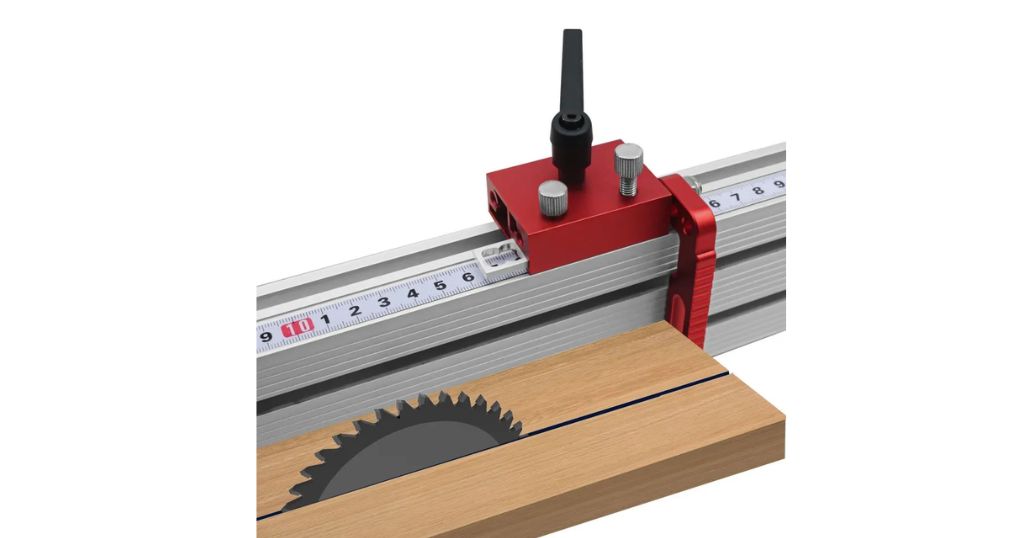
Ask any woodworker about aluminum T-tracks, and they’ll tell you the 1000 mm length is the global standard. These tracks create jigs and guide systems for table saws and routers.
The metric length works seamlessly with most workshop setups and project plans. When you’re building a crosscut sled or a router fence, that 1-meter track gives you enough range for cutting boards up to about 80 cm wide while leaving room for mounting hardware on each end. Shorter tracks limit your project sizes; longer ones become unwieldy and flex under pressure.
6. Large-Format Floor Tile
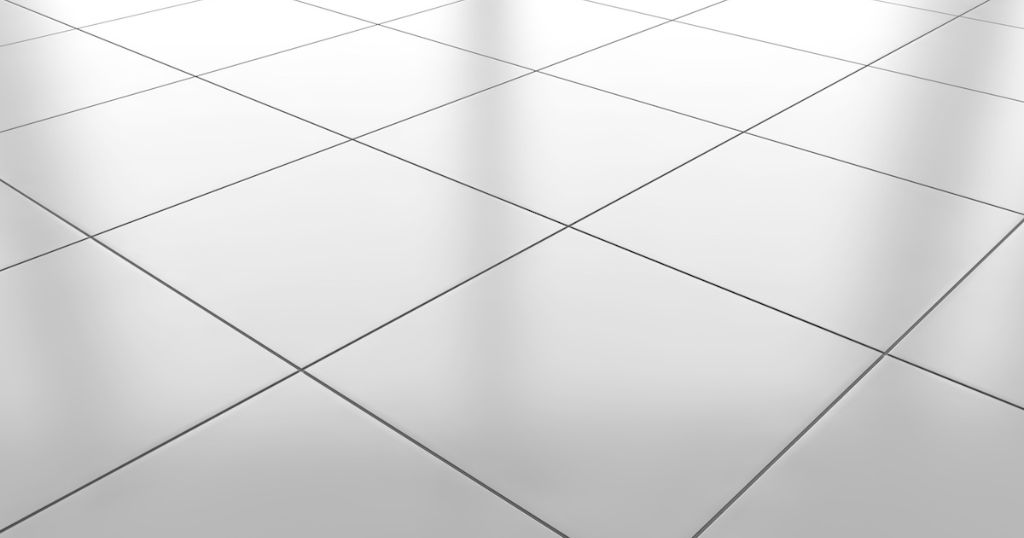
High-end renovations often feature luxury porcelain tiles measuring 100 cm × 100 cm. These statement pieces create sleek, modern floors with minimal grout lines.
Installing them requires professional skill due to their size and weight—they can exceed 25 kg per tile. The large format means fewer seams, which gives spaces a more expansive, uninterrupted look. You’ll find these in boutique hotels, upscale condos, and designer homes where the aesthetic justifies the installation cost.
7. Industrial Conveyor Belt (Width)
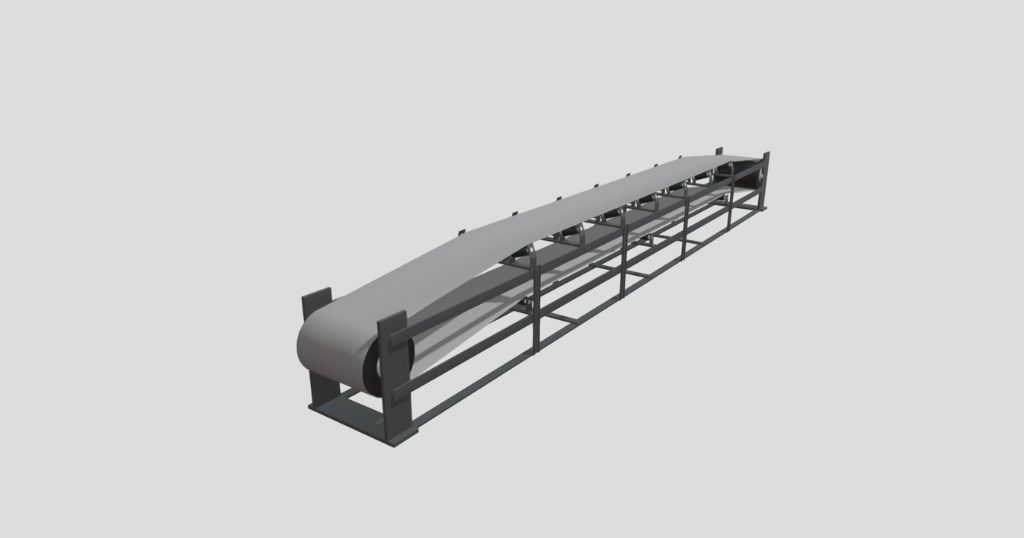
Mid-sized shipping facilities use conveyor systems with belts exactly 1 meter wide. This is a sweet spot that handles standard shipping boxes while fitting through warehouse doorways and around corners.
Too narrow and you lose efficiency—packages jam or fall off during sorting. Too wide and you can’t maneuver the system through existing buildings or around support columns. The 1-meter width accommodates boxes up to about 80 cm on their longest side with safety margins on either edge.
Read Also: How Big Is 50mm? 11 Common Things That Are 50mm (With Real Examples)
8. Residential Balustrade (Minimum Height)
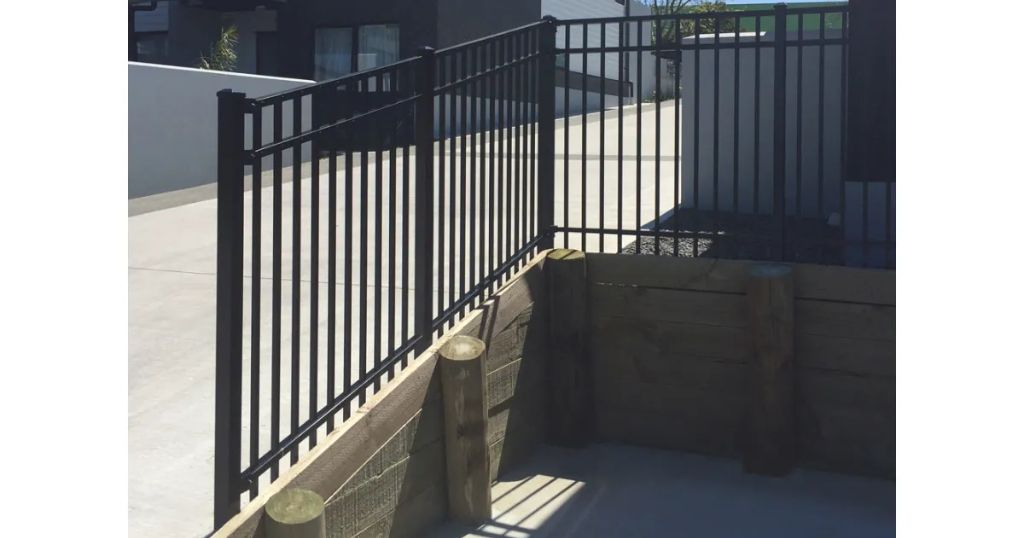
Building codes in Australia, New Zealand, and many other countries mandate that balcony railings and deck balustrades reach a minimum of 1 meter high. This height prevents accidental falls while remaining comfortable to lean against.
It’s short enough for most adults to see over easily, which matters for views and sight lines. But it’s tall enough that toddlers and young children can’t easily climb over. If you’re planning a deck renovation, check your local codes—some jurisdictions require 1.1 meters for upper-story installations.
9. Metric Threaded Rod
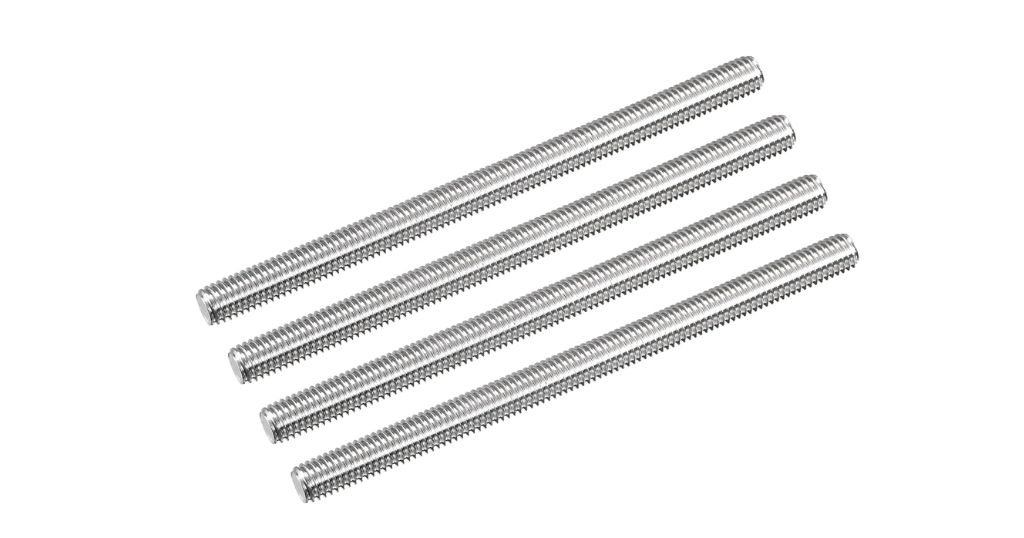
Hardware stores stock threaded rods (complying with DIN 975 or DIN 976 standards) in 1-meter lengths as the baseline option. Contractors cut these to custom lengths for anchor bolts, hanging ceiling fixtures, or creating adjustable mounting systems.
The 1-meter starting point minimizes waste on most jobs. Whether you’re suspending HVAC ductwork or mounting a projector screen, you can usually get two or three usable pieces from a single rod. Buying longer rods only makes sense for commercial projects where you need full-length runs.
10. Physics Pendulum (Effective Length)
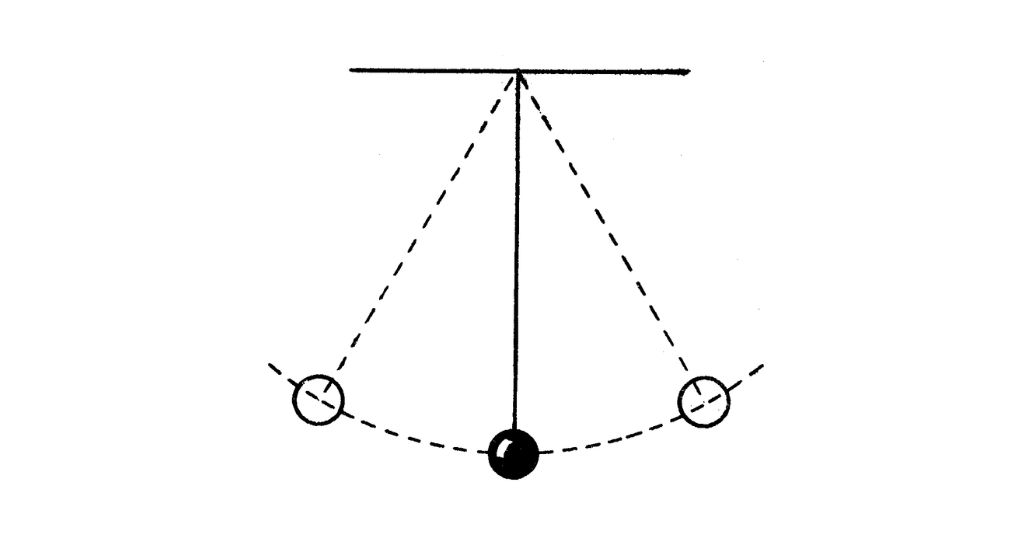
A 1-meter pendulum, measured from the pivot point to the bob’s center of mass, swings with a period of almost exactly 2 seconds. Physics teachers love this because it makes demonstrations intuitive.
Clockmakers historically used this length as a timing standard before quartz movements took over. The predictable swing rate meant you could build reliable timepieces using just gravity and geometry. Even today, it’s the standard example in textbooks because the math works out cleanly.
11. Solar Panel (Standard Width)
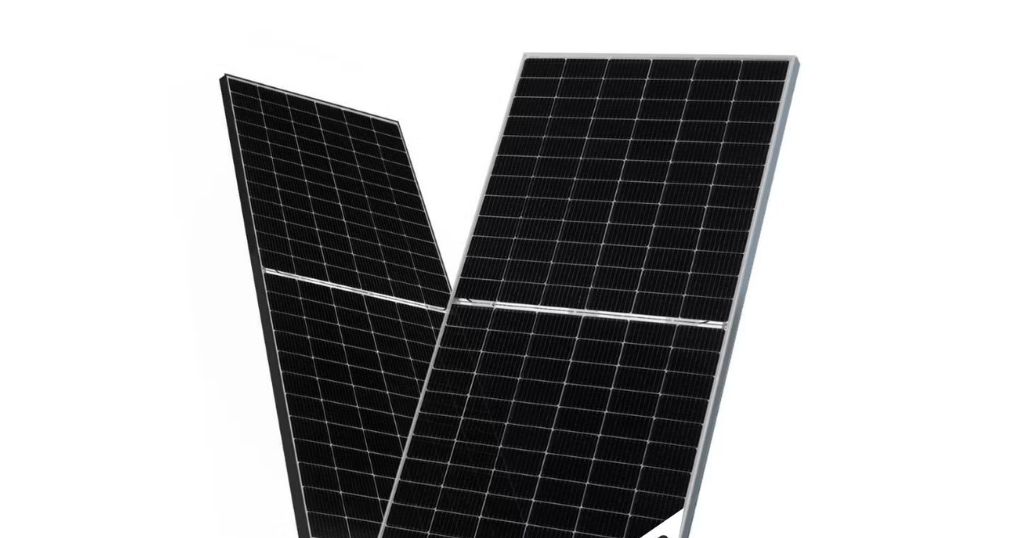
Both residential and commercial solar panels typically measure approximately 1 meter wide (around 3.3 feet). While panel lengths vary by manufacturer and wattage, that ~1-meter width remains remarkably consistent across the industry.
This standardization makes roof layout calculations more straightforward for installers. They can estimate how many panels fit across a roof section without dealing with wildly different widths. The dimension also aligns with typical roof rafter spacing, which simplifies mounting hardware placement and load distribution.
Read Also: How Long Is 12 Inches? 12 Common Things That Are 12 Inches Long
Practical Tips for Measuring and Visualizing 1 Meter
No tape measure? Use a standard sheet of printer paper lengthwise (about 30 cm) and line up three of them with a little extra. Or grab a dollar bill—it’s about 15 cm, so seven bills laid end-to-end get you close.
Fitting items through doorways: Most interior doors are 80–90 cm wide. If something measures 1 meter in any direction, rotate it diagonally and you’ll gain a few precious centimeters of clearance.
Vehicle transport check: Standard car trunks can fit items up to about 1 meter diagonally with the seats folded. Measure your cargo space at its longest point before buying that flat-pack wardrobe.
Using your hand as a ruler: The average adult hand span (thumb to pinky stretched wide) measures 20–23 cm. Line up four hand spans plus a bit extra, and you’ve got your meter.
Wall mounting safety: Anything 1 meter wide or tall going on a wall needs proper anchoring. At this size, the weight demands finding studs or using heavy-duty drywall anchors rated for at least 20 kg per anchor point.
Room layout visualization: Want to see if a 1-meter-wide cabinet fits in your entryway? Place a broomstick on the floor (about 90 cm), add a hand-width, and walk around it.
Frequently Asked Questions
How long is 1 meter in feet?
1 meter equals 3.28084 feet, which rounds to about 3 feet 3 inches—just a few inches taller than a standard yard (3 feet).
How can I visualize 1 meter without measuring tools?
Picture a 4-year-old child standing up, or imagine the width of a standard yoga mat (most are 60 cm wide—so one and two-thirds widths). Your kitchen counter height also sits right around 90 cm, so add one hand-width.
Is 1 meter the same in every country?
Yes. The meter is the international standard unit of length in the metric system, precisely defined and consistent worldwide.
How long does it take to walk 1 meter?
At a normal walking pace, you’ll cover 1 meter in roughly 0.7 to 1 second. It’s just slightly longer than one comfortable adult step.
What common furniture is 1 meter wide?
Standard double-door wardrobes, many dining tables designed for small spaces, compact washing machines, and single-bed headboards all cluster around the 1-meter mark.
Can a 1-meter item fit through a standard door?
Most interior doors measure 80–90 cm wide, so a 1-meter item won’t fit straight through. Tilting it diagonally usually works, but always measure first.
How long is 1 meter in centimeters?
1 meter equals exactly 100 centimeters. Think of it as the base unit—every centimeter is one-hundredth of a meter.
Key Takeaways
One meter sits at that perfect middle ground—it’s about waist-to-hip height for most adults, the width of furniture you use daily, and the height of a preschooler. When you’re shopping for furniture or planning a renovation, remember: 1 meter is 3 feet 3 inches, 100 centimeters, or about one generous adult stride.
Keep a mental catalog of these objects—the spirit level in your garage, the solar panel on your roof, that 4-year-old at your neighbor’s birthday party. The more you connect this measurement to things you see every day, the faster you’ll estimate sizes accurately without pulling out a tape measure.

I am the editor and author of StoriesRadius.com, a blog about measurements and dimensions. I enjoy turning numbers and sizes into simple stories that anyone can understand. From everyday objects to curious facts, I share clear guides based on real research and experience. My goal is to make learning about length, height, and size fun, useful, and easy for all readers.