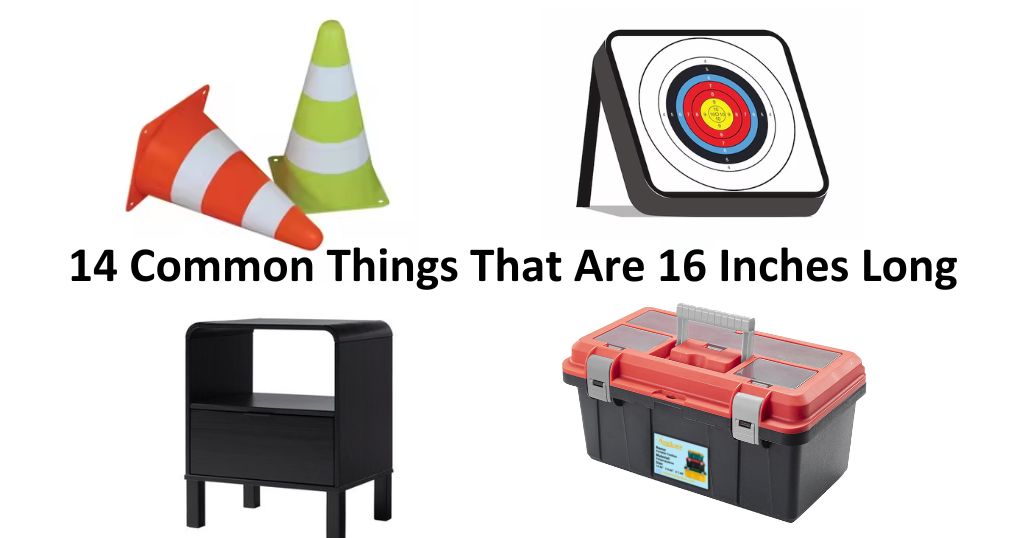
Picture this: you’re scrolling through an online listing for a new ottoman, and the dimensions say “16 inches.” You pause. Is that knee-height? Waist-level? Will it actually fit under your desk?
Sixteen inches is exactly 1 foot and 4 inches, or roughly 40.6 centimeters. Think of it as the length from your elbow to your fingertips if you’re an average-sized adult, or about the height where a small dog’s back reaches when standing.
Understanding 16 Inches in Human Terms
For an average adult, 16 inches sits around mid-thigh height when standing. If you’re seated on a standard chair, it’s roughly the distance from the floor to just above your knee.
For reference points around your home: A standard kitchen countertop is about 36 inches high, so 16 inches is less than half that height. Most interior doorways are 80 inches tall—picture stacking five 16-inch objects to reach the top.
Quick visualization hack: Grab a standard piece of printer paper (8.5 x 11 inches) and hold it vertically. Now add roughly half that height again—you’ve got 16 inches.
14 Common Things That Are Exactly 16 Inches Long
| Object | Category | Measurement |
| Handheld Pipe Wrench | Tools | 16″ length |
| Heavy-Duty Zip Ties | Hardware | 16″ length |
| Lazy Susan Turntable | Kitchenware | 16″ diameter |
| Magnetic Knife Strip | Kitchen Storage | 16″ length |
| Cube Ottoman | Furniture | 16″ height |
| Minimalist Nightstand | Furniture | 16″ depth |
| Archery Target Face | Sports Equipment | 16″ diameter |
| Floor Tom Drum Head | Musical Instrument | 16″ diameter |
| Yoga Wheel | Fitness Equipment | 16″ diameter |
| Portable Toolbox | Storage | 16″ length |
| Training Traffic Cone | Safety Equipment | 16″ height |
| Folding Step Stool | Home Accessory | 16″ height |
| Garden Fence Pickets | Outdoor Decor | 16″ height |
| Hand Towel | Bathroom Textile | 16″ width |
1. Handheld Pipe Wrench
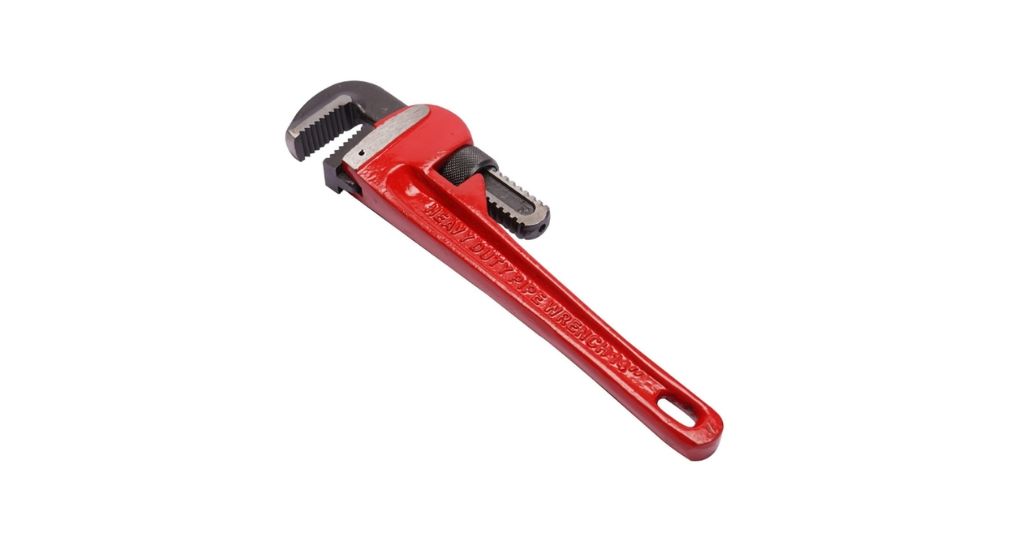
Professional plumbers swear by the 16-inch pipe wrench for tackling medium-duty residential plumbing jobs. This size strikes the perfect balance between leverage and maneuverability when working on pipes ranging from 1/2 inch to 1-1/2 inches in diameter.
Too small and you’ll struggle with stuck fittings. Too large and you can’t work in tight spaces under sinks or behind toilets. This is why most home toolkits include this exact size—it handles the majority of household plumbing repairs without requiring you to be a contortionist.
2. Heavy-Duty Industrial Zip Ties
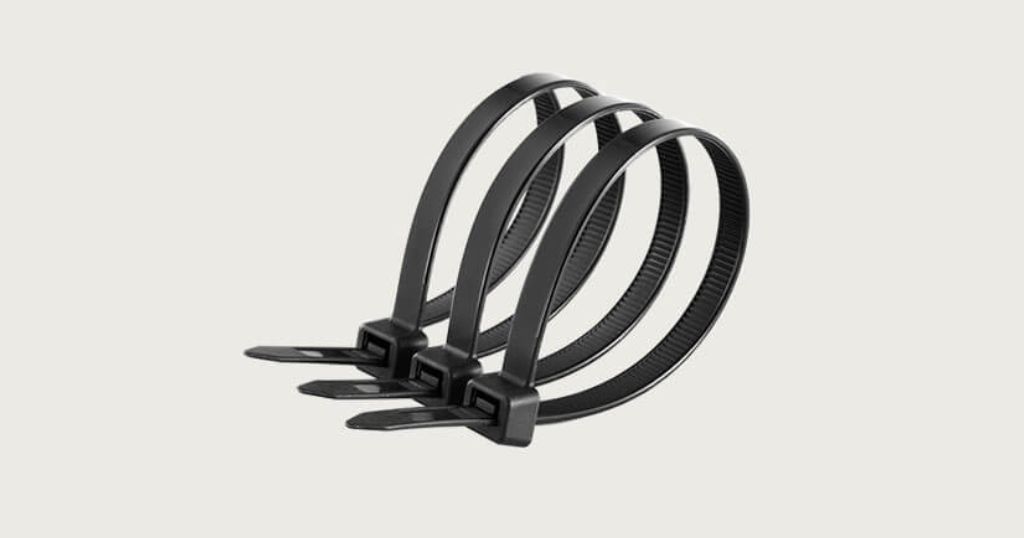
When regular zip ties won’t cut it, contractors reach for the 16-inch versions rated for bundling thick HVAC ducts or securing cables in industrial settings. These can handle up to 175 pounds of tensile strength, making them indispensable for organizing complex wiring systems in server rooms.
Construction crews also use them for securing temporary fencing panels and bundling rebar before concrete pours. The length is just right for wrapping around 6-inch diameter ducting with enough tail left over to pull tight. Keep a pack in your garage—they’re surprisingly handy for everything from organizing extension cords to securing loose items in your truck bed.
3. Large Lazy Susan Turntable
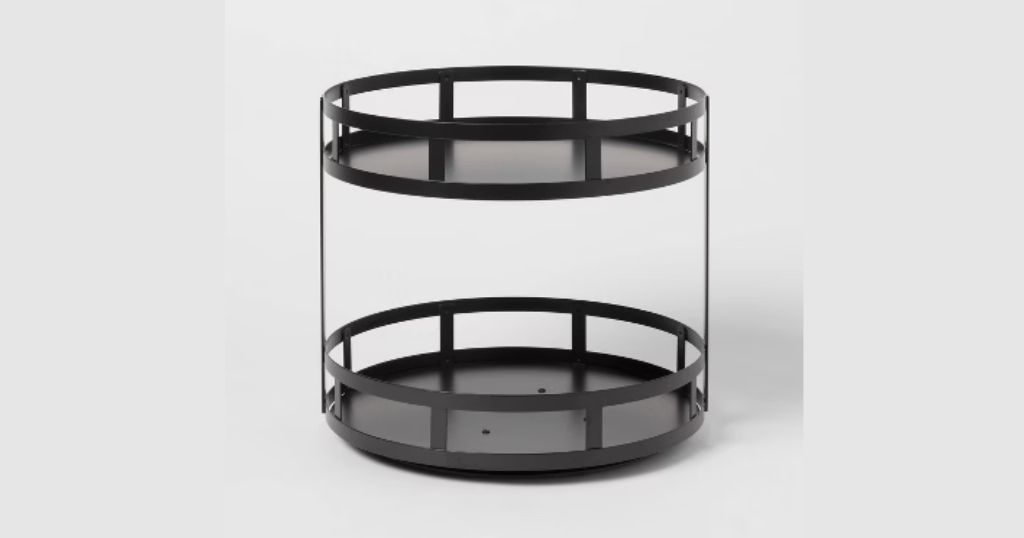
The 16-inch diameter Lazy Susan is the Goldilocks size for dining tables—big enough to hold multiple serving dishes during family meals, but not so massive that people at the ends of the table can’t reach it. Restaurants often use this size for round tables seating 4-6 people.
The rotating mechanism works best at this diameter because the weight distribution stays balanced even when you load one side with heavier dishes. Go smaller and you’re constantly rearranging items to fit. Go larger and the person sitting directly in front of an item might as well get up and walk around the table instead of spinning it.
4. Professional Magnetic Knife Strip
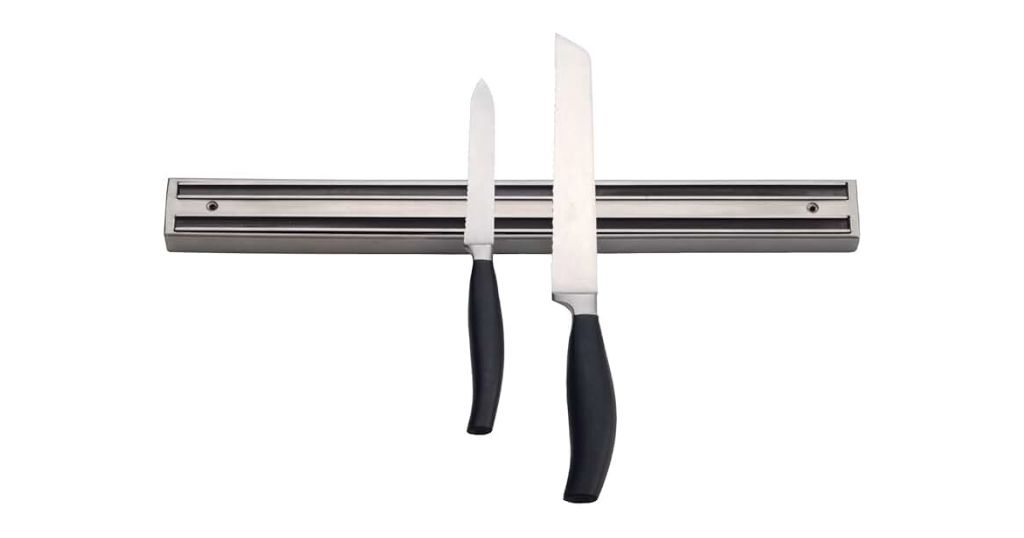
Commercial kitchens install 16-inch magnetic strips because they perfectly accommodate 6-8 full-sized chef’s knives without blades touching. This length works well above most prep stations and keeps your most-used knives within arm’s reach.
The magnetic strength at this length remains consistent across the entire strip, unlike longer versions where the ends sometimes have weaker pull. Home cooks love this size because it fits between standard cabinet spacing (usually 18-24 inches) while freeing up the counter space that a knife block would occupy.
5. Standard Cube Ottoman
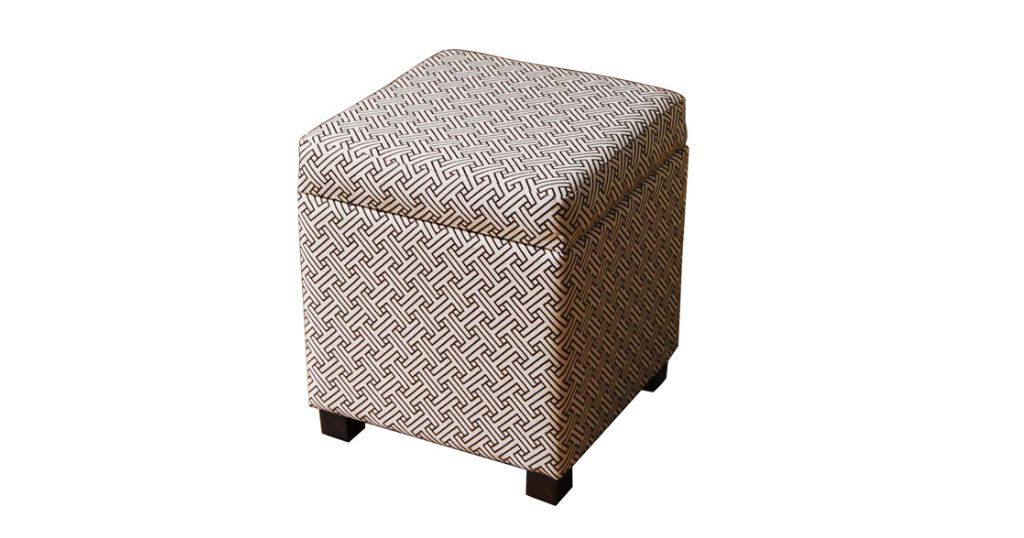
Most furniture manufacturers design ottoman cubes at exactly 16 inches high to match the average couch seat height of 17-19 inches. This slight difference means your feet rest comfortably at a natural angle when you prop them up, rather than forcing your knees higher than your hips.
The cube shape at this height also doubles as extra seating when guests arrive unexpectedly. A 16-inch seat puts most adults at the right height for conversation without feeling like they’re perched on a barstool or sinking into a beanbag. Physical therapists recommend this height for patients recovering from knee surgery because it minimizes joint strain when sitting and standing.
6. Minimalist Nightstand Depth
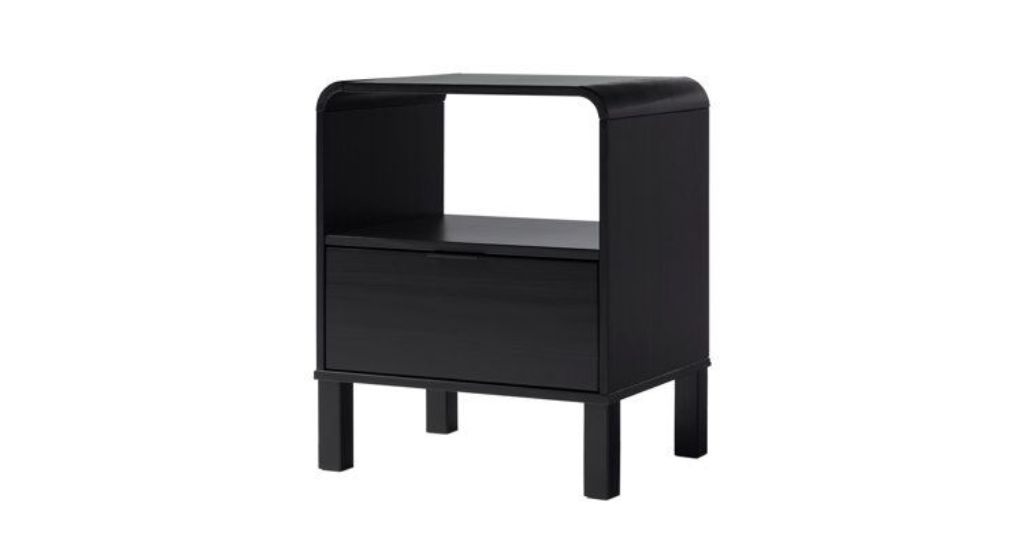
Space-conscious bedroom designs frequently feature nightstands with a 16-inch depth—just enough to hold a lamp, phone charger, and glass of water without jutting awkwardly into walking paths. This measurement is particularly popular in apartments and condos where every square inch of floor space matters.
The depth allows you to comfortably reach items from bed without sitting up completely, which sounds minor until you’re fumbling for your phone alarm at 6 AM. Designers often pair this depth with 20-24 inch widths to create storage drawers that hold books and medications without wasted dead space in the back.
7. Indoor Archery Target Face
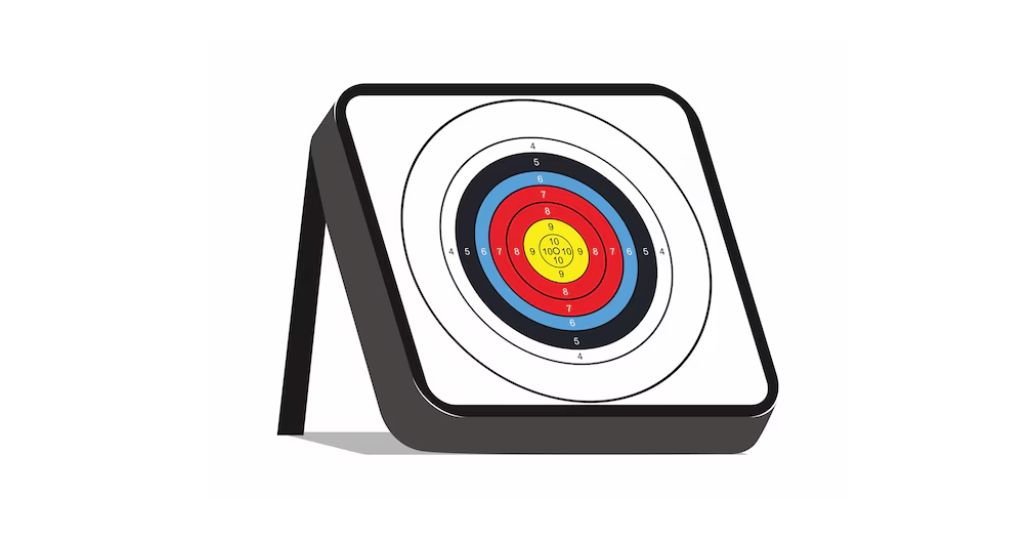
Archery enthusiasts practicing indoors at 18 meters commonly use 40-centimeter target faces, which convert to approximately 16 inches in diameter. This size offers a challenging practice target without requiring the massive backstop that full Olympic 122cm targets demand.
The scoring rings on a 16-inch face are proportionally smaller, which helps archers develop precision before moving to outdoor competitions. You can mount these in a garage or basement with just a 4×4 foot foam backing board. Many coaching programs start beginners on this size because early success builds confidence—the target is forgiving enough to hit consistently but small enough to reveal form problems.
8. Floor Tom Drum Head
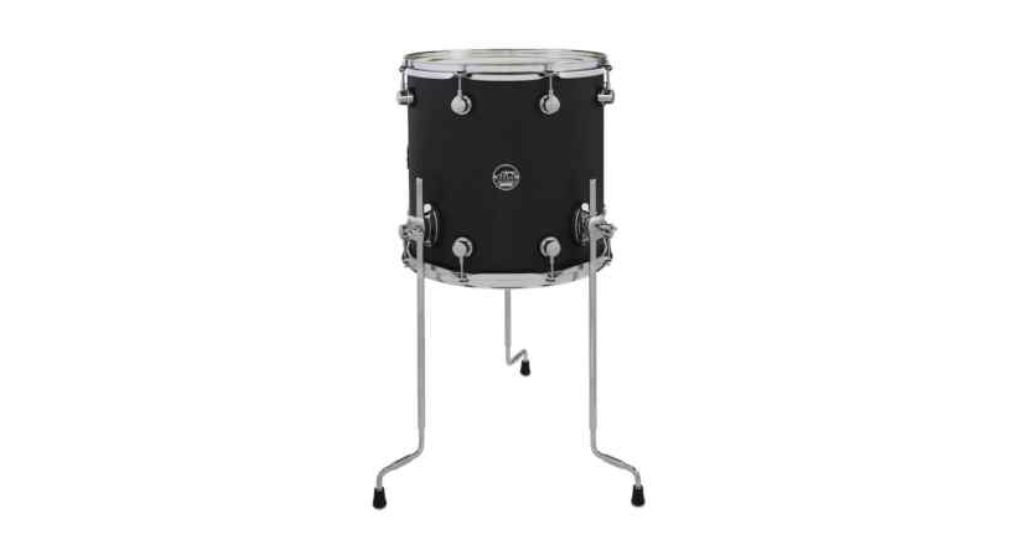
Drummers building a standard rock or jazz kit often choose 16-inch floor tom drums for their deep, resonant tone that bridges the gap between higher-pitched rack toms and booming bass drums. This diameter produces that satisfying “thud” you hear punctuating drum fills in most contemporary music.
The physics work in your favor at this size: the drumhead has enough surface area to move serious air (creating volume) without the tuning headaches that plague larger 18-inch toms. Studio engineers love recording 16-inch floor toms because they sit perfectly in the mix without muddying up the bass frequencies or clashing with snare drums.
Read Also: How Long Is 12 Inches? 12 Common Things That Are 12 Inches Long
9. Extra-Large Yoga Wheel
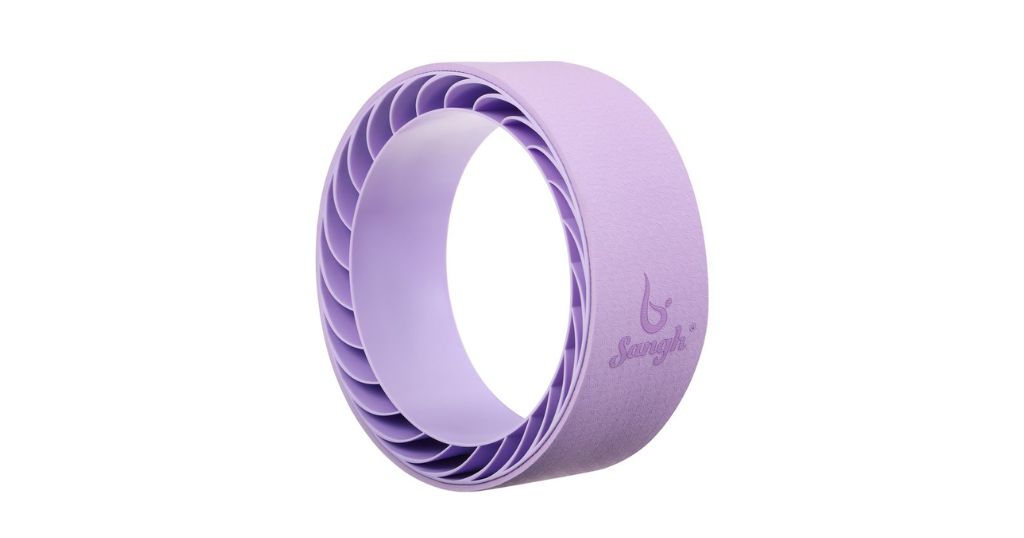
The 16-inch diameter yoga wheel is designed for deeper backbends and more intense stretches than the standard 12-inch version. Taller practitioners (typically 5’8″ and above) find this size provides better spinal support during wheel-assisted poses without creating an uncomfortably tight arch.
Physical therapists sometimes use these for patients with chronic back tension because the larger diameter creates a gentler curve that won’t compress vertebrae. The extra circumference also makes it more stable during balance exercises—you’re less likely to roll off sideways when you’re first learning poses like wheel-supported planks.
10. Portable Toolbox
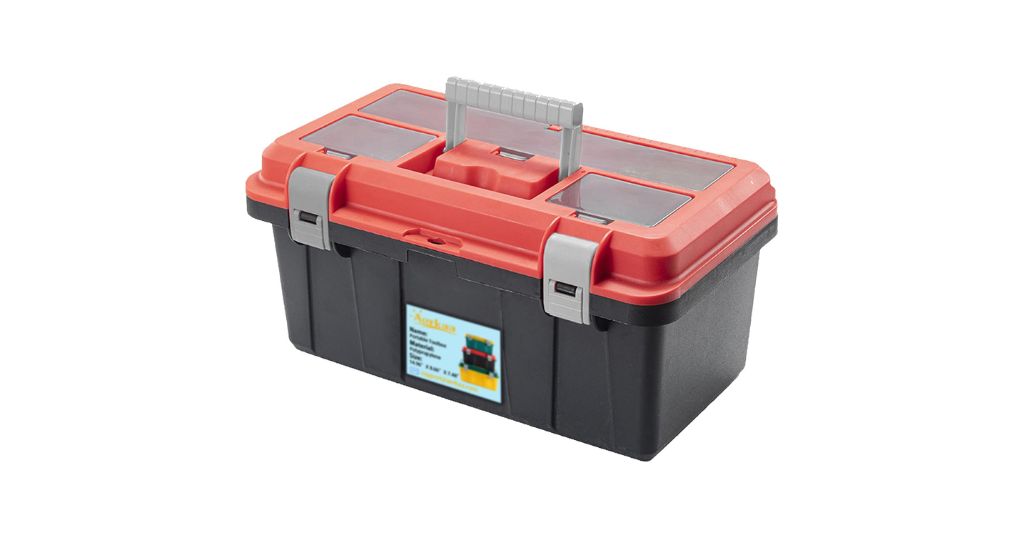
Many DIY enthusiasts and home maintenance pros rely on 16-inch toolboxes because they fit perfectly behind the front seat of most trucks and SUVs while holding essential tools like a hammer, screwdriver set, pliers, and wrench. This size slides under workbenches and stacks neatly in garage storage systems.
The length accommodates standard-sized tools without forcing you to store your 14-inch level diagonally or leave it out. Contractors appreciate that this size isn’t so bulky that climbing a ladder with it becomes awkward, yet it’s substantial enough that you’re not making multiple trips to your truck for forgotten tools.
11. Training Traffic Cones
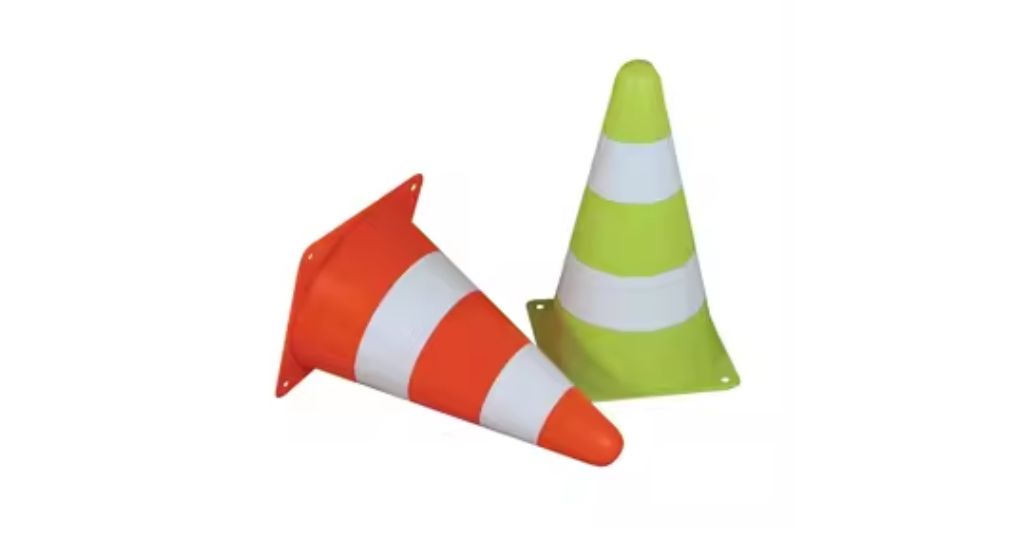
While highway cones tower at 28-36 inches, the 16-inch versions are what parking lot attendants and driving instructors use for setting up obstacle courses or marking temporary boundaries. Sports teams also grab these for agility drills since they’re tall enough to see easily but low enough that accidentally kicking one won’t cause injury.
The shorter height means they’re less likely to blow over in wind, which is why event planners prefer them for outdoor festivals and farmers markets. They stack efficiently for storage—you can fit 20 of them in a compact pile that’s only three feet tall.
12. Two-Step Folding Stool
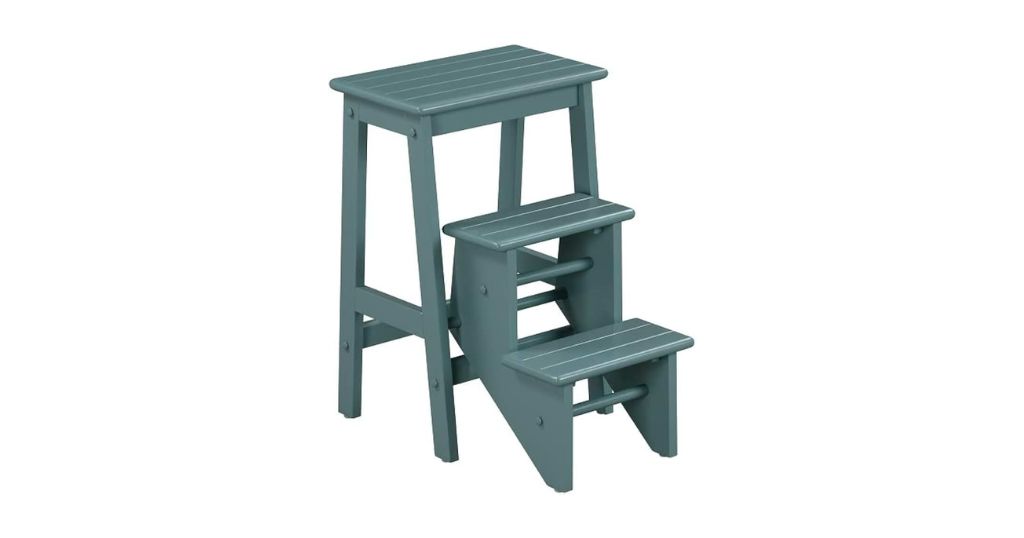
The 16-inch height is the most popular size for household step stools because it gives average adults just enough boost to reach the top shelf of standard kitchen cabinets (which typically sit at 84-96 inches) without feeling precarious. Kids can also use these to reach bathroom sinks without needing a parent to lift them.
Occupational therapists recommend this height for elderly patients who need help with daily tasks but want to maintain independence. The lower center of gravity makes these stools more stable than taller models, and the two-step design means you’re never putting your full weight on one elevated foot while reaching.
13. Decorative Garden Fence Pickets

Landscape designers often choose 16-inch tall picket fencing for garden bed borders because it’s high enough to discourage small dogs and rabbits from trampling plants, yet low enough that it doesn’t block sight lines across your yard. This height also frames flowerbeds nicely without overshadowing low-growing perennials.
The size works particularly well for defining pathways in vegetable gardens—it’s tall enough that you notice the boundary when you’re carrying a basket of tomatoes, preventing accidental trampling of lettuce rows. Many municipalities allow this height without permits since it’s clearly decorative rather than a privacy barrier.
14. Standard Hand Towel Width

The hospitality industry settled on 16 inches as the standard width for hand towels (paired with 26-30 inch lengths) because it’s wide enough to dry both hands comfortably in a single motion while fitting neatly folded on bathroom towel bars. This size also works well for face-drying without the bulk of a full bath towel.
Hotels prefer this width because three folded hand towels fit perfectly on a standard 24-inch towel bar, creating that neat, symmetrical look. At home, this size is ideal for powder rooms where space is tight but you still want something more substantial than a fingertip towel.
Read Also: How Long Is 20 Inches? 13 Common Things That Are 20 Inches Long
Practical Tips for Working with 16-Inch Measurements
Measuring Without a Tape Measure
Lost your measuring tape? A dollar bill is 6.14 inches long—line up roughly 2.5 of them end-to-end and you’ve got 16 inches. Your smartphone is likely 5.5-6.5 inches long, so picture laying three phones in a row. An adult hand typically spans 7-8 inches from thumb to pinky when spread, so two hand-spans gets you close.
Fitting Items Through Doors and Tight Spaces
Standard interior doors are 24-32 inches wide—you’ll have plenty of clearance for 16-inch items. Most sedan trunk openings are at least 30 inches wide, so 16-inch items should slide in without tetris-level maneuvering.
Furniture Stability and Safety
When placing 16-inch ottomans or stools on carpet, check that they don’t wobble. Soft pile can compress unevenly, creating tip hazards. If you’re using a 16-inch stool near shower areas, make sure it has rubber feet—standard plastic or wood feet become slip hazards on wet tile.
Space Planning Tricks
Need to know if a 16-inch nightstand will fit beside your bed? Use painter’s tape to mark out a 16-inch square on the floor before ordering. You’ll instantly see whether you’ll be squeezing past it every morning or if there’s comfortable clearance.
Frequently Asked Questions
How long is 16 inches in feet?
16 inches equals 1 foot and 4 inches, or 1.33 feet in decimal form.
How long is 16 inches on a ruler?
On a standard 12-inch ruler, 16 inches extends 4 inches beyond the end. You’d need to measure one full ruler length, then continue measuring 4 more inches.
How long is 16 inches in cm?
16 inches converts to 40.64 centimeters. For quick mental math, remember that 1 inch equals approximately 2.54 cm.
How do I visualize 16 inches without measuring?
Picture two standard water bottles (typically 8 inches tall) stacked on top of each other, or lay three iPhones end-to-end. You can also measure from your elbow to your fingertips—this distance is around 15-17 inches for most adults.
Is 16 inches considered long for hair?
In hairstyling, 16-inch hair extensions reach approximately to the middle of most women’s backs (around bra-strap length). This length is popular because it’s long enough to create various styles but not so long that it tangles constantly.
What household items are commonly 16 inches?
Laptop screens (measured diagonally), medium pizza boxes, portable fans, small moving boxes, and decorative throw pillows frequently come in 16-inch sizes.
Can a 16-inch object fit in carry-on luggage?
Most airlines allow carry-on bags up to 22 inches tall, so a 16-inch item will fit height-wise. Just check that the combined dimensions don’t exceed your airline’s limit, which typically ranges from 45-55 inches total.
Wrapping Up: Making Sense of 16 Inches
Now when you see “16 inches” in a product listing, you won’t need to squint and guess. You’ll know it’s roughly the height of your favorite footstool, the length of that trusty pipe wrench in your garage, or about elbow-to-fingertip distance.
Whether you’re shopping for furniture online, organizing your workspace, or just trying to explain sizes to someone over the phone, these real-world references give you the visual clarity that numbers alone can’t provide.

I am the editor and author of StoriesRadius.com, a blog about measurements and dimensions. I enjoy turning numbers and sizes into simple stories that anyone can understand. From everyday objects to curious facts, I share clear guides based on real research and experience. My goal is to make learning about length, height, and size fun, useful, and easy for all readers.