Picture this: you’re shopping online for a towel bar, and the listing says “24 inches.” You pause. Is that too short for your bathroom wall? Will it hold enough towels?
2 feet equals 24 inches, or roughly 61 centimeters. That’s about knee-to-mid-thigh height on most adults—right around where your coffee table sits or where you’d rest your hand on a kitchen counter edge.
Let’s make this measurement crystal clear with real objects you see every day.
Visualizing 2 Feet: Human-Scale References
For the average adult (5’4″ to 5’10”): Two feet sits right at mid-thigh level when standing. If you’re seated in a standard chair, it’s about elbow height when your arms hang naturally.
Using your arms: Extend one arm, then measure from your fingertip to just past your opposite elbow. That’s roughly 2 feet for most people.
Children’s perspective: For a 4-year-old (around 40 inches tall), 2 feet reaches chest level. For a 7-year-old, it’s closer to hip height.
Doorway reference: Standard interior doors are 6 feet 8 inches tall. Two feet is less than one-third of that door height—imagine the bottom section where a kickplate might go.
12 Everyday Objects That Are 2 Feet Long
| Object | Category | Measurement |
| Magnetic Knife Bar | Kitchen Storage | 24 inches (length) |
| Interior Closet Door | Home Architecture | 24 inches (width) |
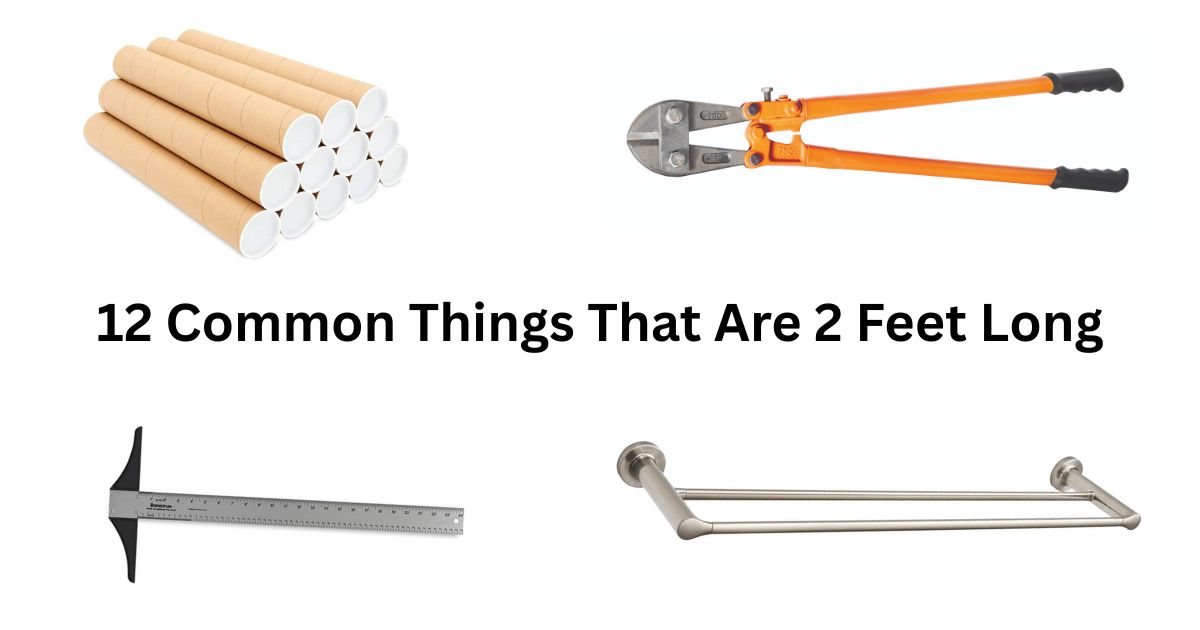
| Standard Towel Bar | Bathroom Fixture | 24 inches (length) |
| Spirit Level | Construction Tool | 24 inches (length) |
| Large Shipping Box | Moving & Storage | 24 inches (length) |
| Base Kitchen Cabinet | Cabinetry | 24 inches (depth) |
| Small Bathroom Vanity | Furniture | 24 inches (width) |
| T-Square | Drafting Tool | 24 inches (length) |
| Medium Traffic Cone | Safety Equipment | 24-28 inches (height) |
| Bolt Cutters | Security Tool | 24 inches (length) |
| Blueprint Mailing Tube | Office Supply | 24 inches (length) |
| Interlocking Foam Mat | Exercise Equipment | 24 x 24 inches (tile size) |
1. Magnetic Knife Bar
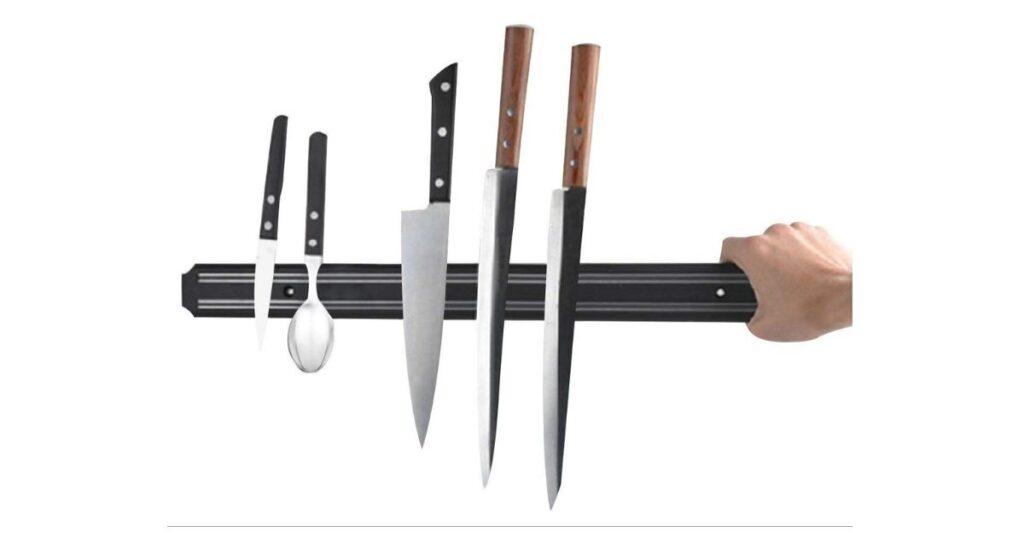
Many “large” or “extra-long” magnetic knife strips measure exactly 24 inches. This length comfortably holds 6-8 knives of varying sizes without crowding.
It fits perfectly on the wall space between most upper cabinets and countertops. When installing, mount it at least 20 inches above your counter so you’re not reaching awkwardly while chopping. The magnetic strip keeps sharp blades visible and accessible, unlike a drawer where knives jumble together and dull faster.
2. Interior Closet Door
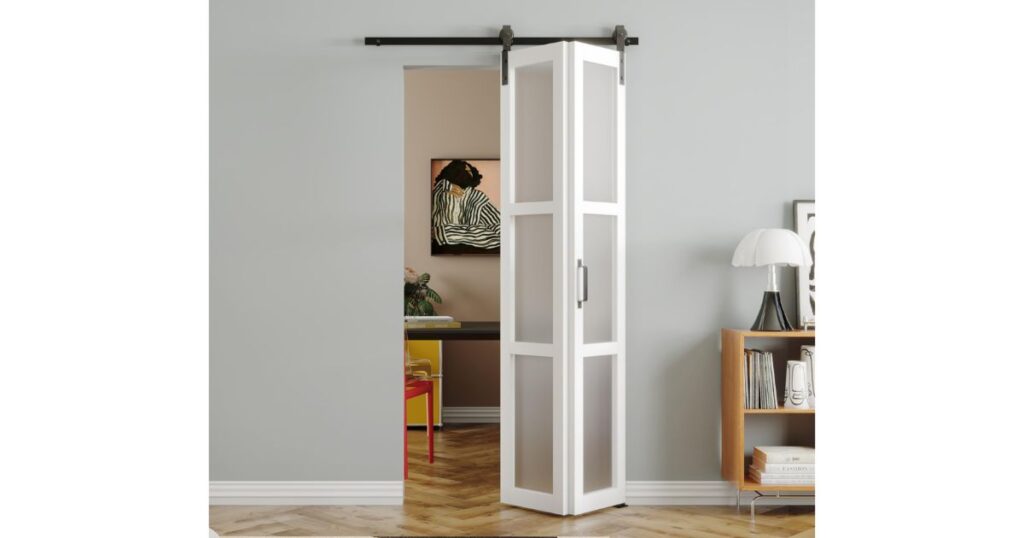
A 24-inch-wide door (called a 2/0 in construction terms) is the go-to size for closets, pantries, and powder rooms. This width allows a standard hanger to pass through sideways, though you’ll feel the squeeze with bulky winter coats.
If you’re replacing one, check the rough opening first—most hardware stores stock pre-hung 24-inch doors ready to install. The narrow width saves floor space in tight areas, making it ideal for hallway closets where a wider door would block traffic flow. Just remember that furniture movers hate these doors—anything wider than 20 inches becomes a puzzle.
3. Standard Towel Bar
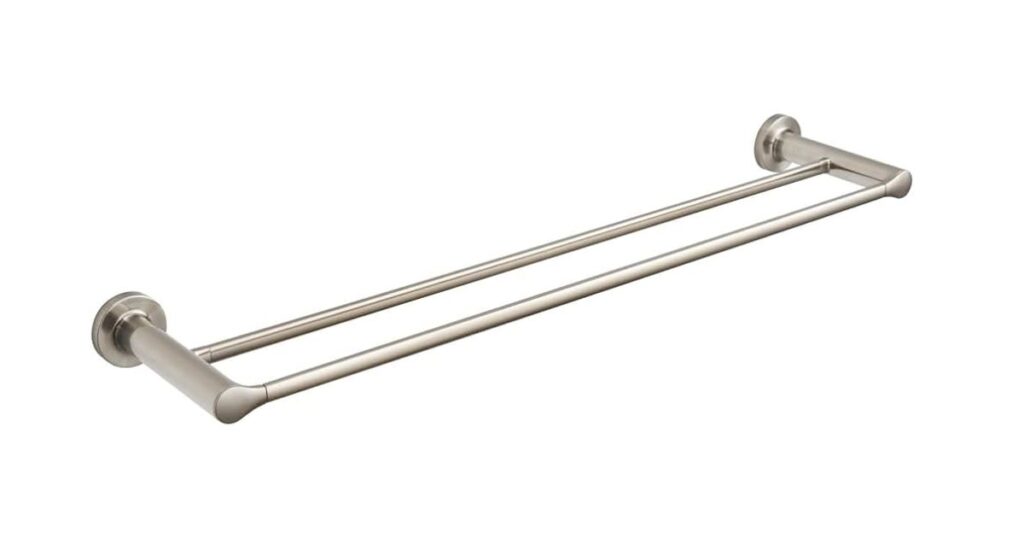
Walk into any bathroom, and there’s a good chance the towel bar is 24 inches long. This size holds one oversized bath towel comfortably or two hand towels side by side.
When mounting, leave 3-4 inches of clearance on each side so towels don’t brush against walls or cabinets. Damp towels dry faster with airflow, and you won’t scrape your knuckles reaching for them. The 2-foot length also matches the width of most bathroom vanities, creating a clean, aligned look that interior designers obsess over.
4. Spirit Level
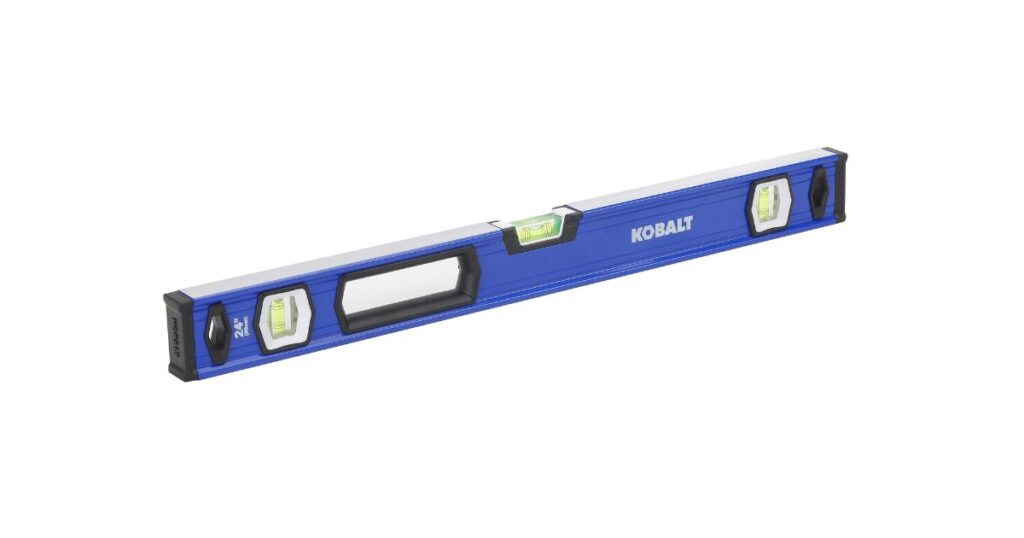
A 2-foot spirit level is the Swiss Army knife of leveling tools—small enough to toss in a toolbox but long enough for hanging picture frames, shelves, or checking appliance alignment. Contractors carry both a 2-footer for detail work and a 4-footer for longer spans like countertops.
The bubble vial shows true horizontal or vertical within a 24-inch span, which is perfect for most DIY projects. You can check if your washing machine wobbles, whether that floating shelf is straight, or if your fence posts stand plumb. Anything shorter gives unreliable readings; anything longer won’t fit in tight spaces behind toilets or between studs.
5. Large Shipping Box
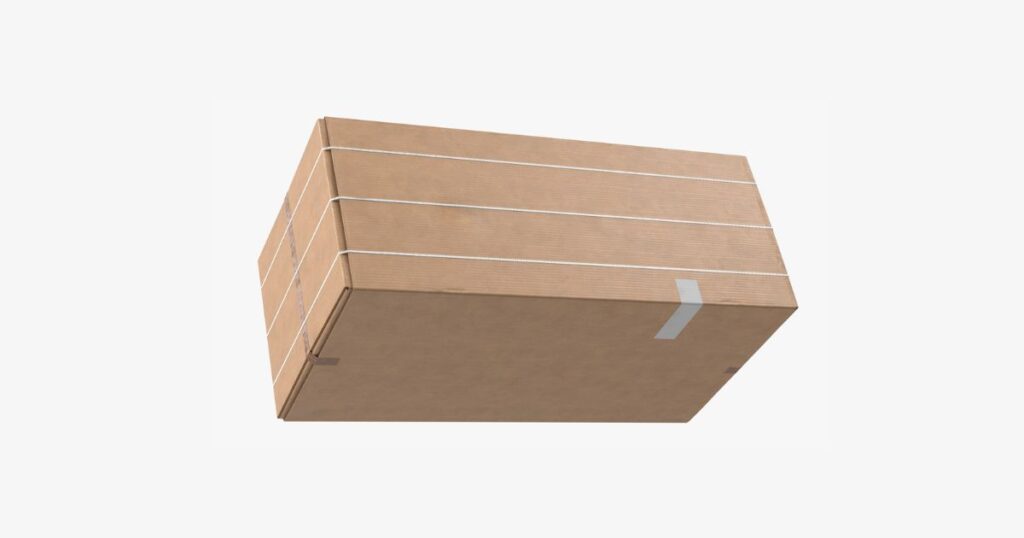
Standard “large” moving boxes from U-Haul or Home Depot often measure 24 inches in length. These boxes are perfect for books, kitchen items, or folded linens—just don’t overfill them.
Two feet of hardcover books weighs about 40-50 pounds, which is back-breaking territory when you’re hauling boxes up stairs. Professional movers call anything over 50 pounds a “two-person lift,” and they mean it. The 2-foot length fits neatly in car trunks and stacks efficiently in moving trucks without wasted space. Label the sides, not the top—you’ll thank yourself when boxes are stacked high.
Read Also: How Long Is 50 Feet? Real-World Ways to See, Feel, and Use This Distance
6. Base Kitchen Cabinet Depth
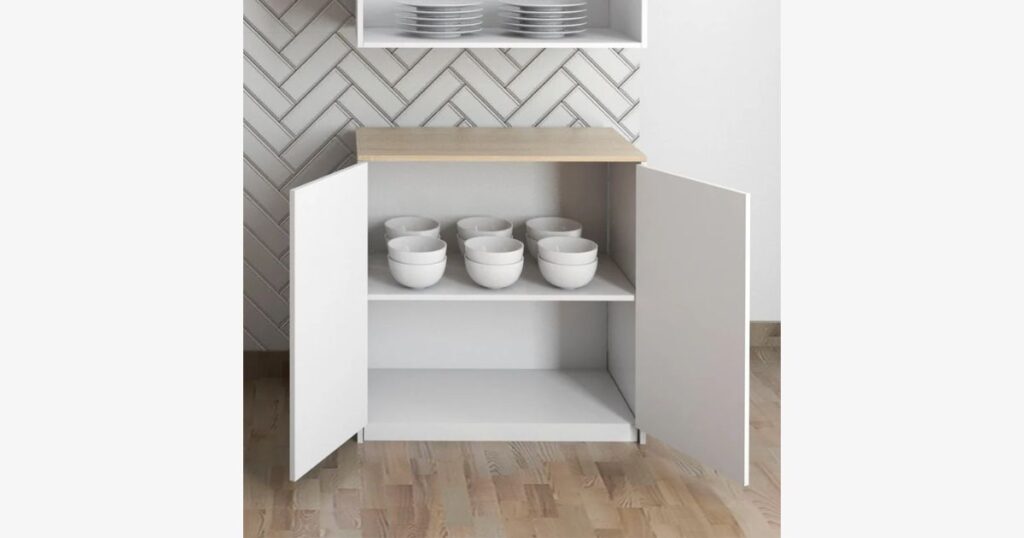
Open any lower kitchen cabinet and measure front to back—you’ll hit 24 inches. This depth accommodates dinner plates (which are typically 10-12 inches) and leaves room for stacking or storing small appliances.
When designing a kitchen, this 2-foot depth is why you need at least 42 inches between opposing cabinets for walkway clearance. Any less and two people can’t pass each other comfortably while cooking. The standard depth also prevents you from losing items in the back—reach your arm in fully, and you can still grab that waffle maker you bought three years ago.
7. Small Bathroom Vanity
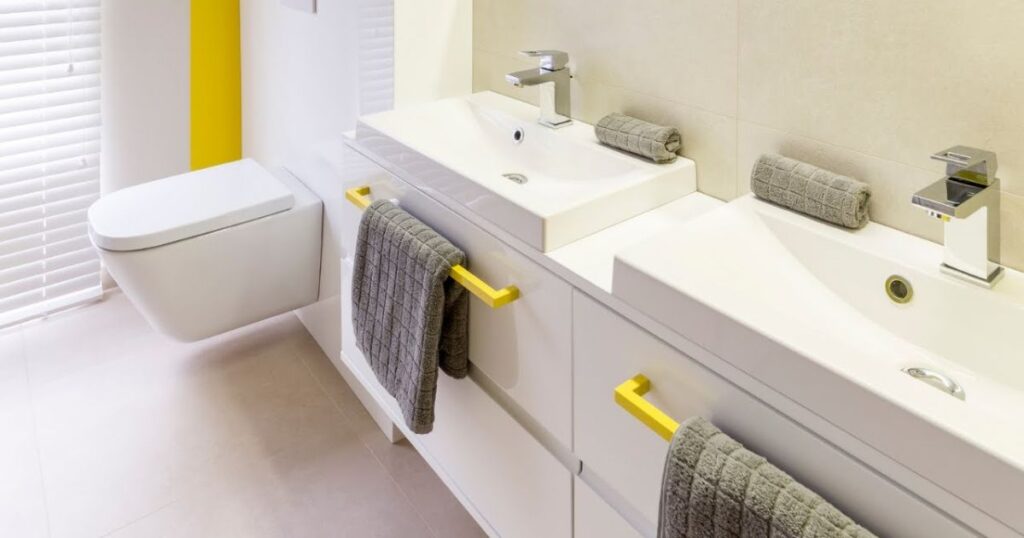
Compact bathrooms and powder rooms often feature 24-inch-wide vanities. This size squeezes into tight spaces while still offering a sink and minimal counter space for soap and a toothbrush holder.
If you’re upgrading, measure your plumbing first—moving water lines gets expensive fast. The 2-foot width works for guests washing hands but feels cramped for daily grooming routines like applying makeup or shaving. Homeowners with limited space often pair these with a medicine cabinet above for extra storage since counter space is practically nonexistent.
8. T-Square for Drafting
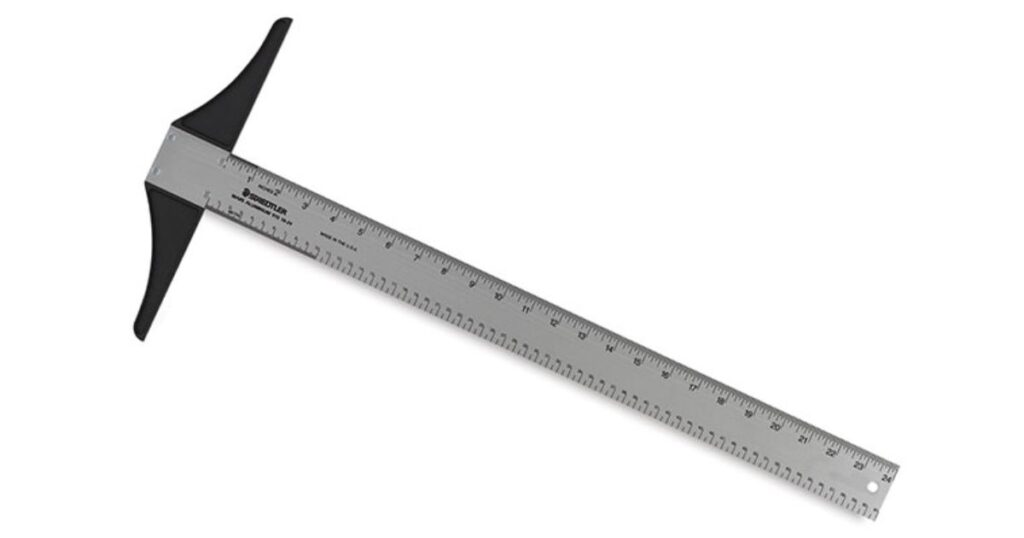
A 24-inch T-square is standard for sketching floor plans, technical drawings, or even cutting drywall in renovation projects. The perpendicular head stays flush against your table edge while the long blade guides your pencil or utility knife in a perfectly straight line.
Architects use these for drawing anything from room layouts to furniture placement sketches. The 2-foot length handles most residential blueprints printed on 18×24 or 24×36 paper. DIYers also grab these for scoring drywall sheets—run the T-square across, score with a knife, snap the sheet, and you’ve got a clean edge without power tools.
9. Medium Traffic Cone
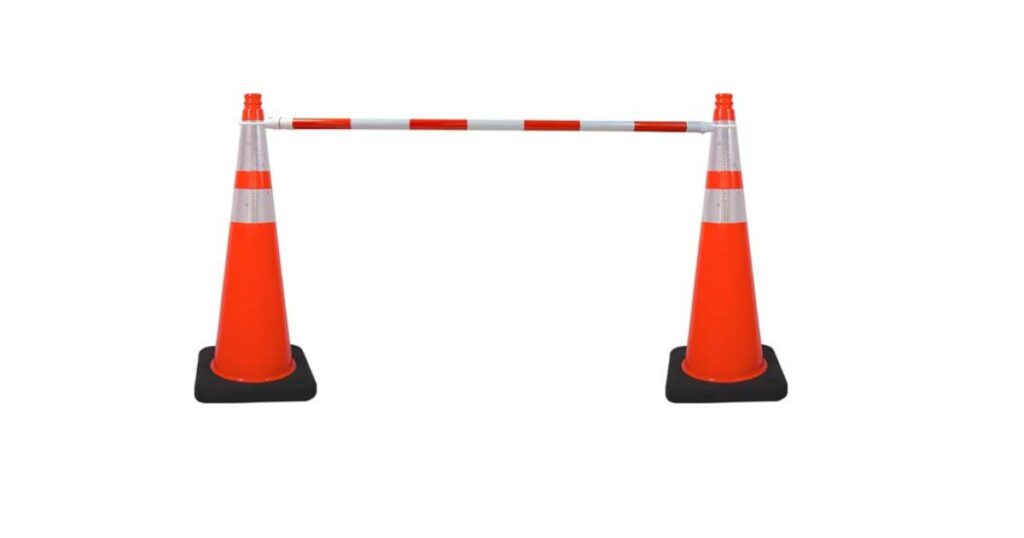
Those bright orange cones you see marking parking spots or road work? Many measure 24-28 inches tall. The 2-foot versions are heavy enough to stay put in light wind but still easy to carry and stack in your garage or truck bed.
Homeowners use them for everything from marking wet driveways after sealing to reserving parking spots during moving day. The reflective strips catch headlights at night, preventing guests from driving over your freshly planted flower beds. They’re also surprisingly useful for setting up backyard obstacle courses for kids or dogs—just saying.
10. Bolt Cutters
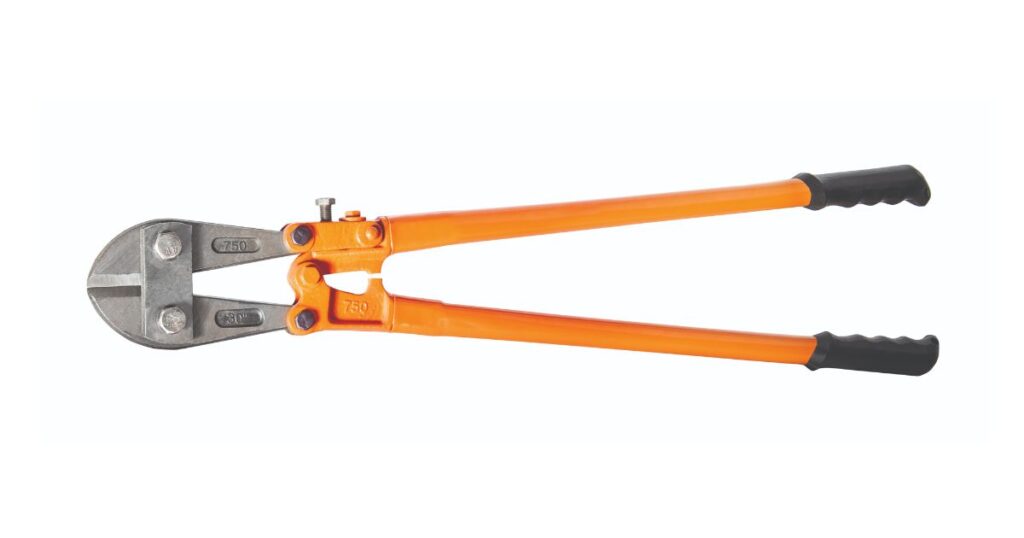
24-inch bolt cutters strike the sweet spot between portability and cutting power. They’ll slice through padlocks, chain-link fencing, or bike locks with enough leverage for most people to apply serious force without needing hydraulic help.
The handles extend the full 2 feet, giving you maximum mechanical advantage when you squeeze. Firefighters and rescue workers carry these for quick entry, but homeowners find them handy when keys go missing or old locks rust shut. Store them in your garage—they’re the tool you don’t need until you desperately do, like when you’ve locked yourself out of a shed at 10 PM.
11. Blueprint Mailing Tube
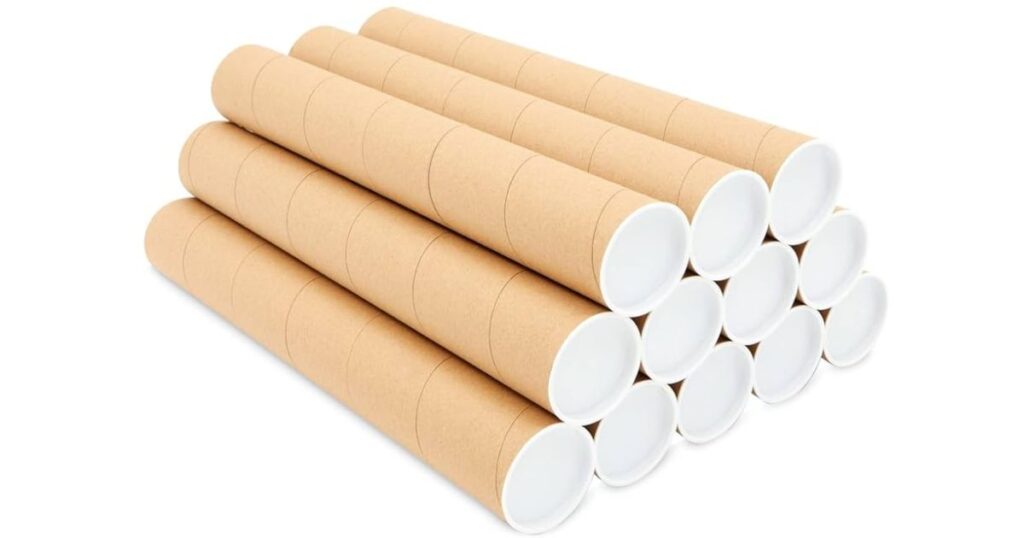
Architects and designers ship rolled plans in 24-inch mailing tubes to protect drawings that are 18×24 or 24×36 inches. These tubes fit diagonally across most car backseats, saving you from renting a truck just to transport project documents.
The hard plastic construction prevents your carefully drafted plans from getting crushed or water-damaged during transit. Contractors often reuse these tubes for storing posters, artwork, or even fishing rods. The screw-on caps seal tight enough that you can check them as luggage on flights without worry.
12. Interlocking Foam Floor Mat
Gym mats and playroom flooring often come in 2-foot-by-2-foot tiles. Each tile covers 4 square feet, so a 10×10-foot space needs 25 tiles.
They’re perfect for cushioning drop zones under kids’ play structures or deadening sound in basement home gyms. The interlocking edges snap together like puzzle pieces—no adhesive needed, and you can reconfigure them anytime. Parents love them because toys don’t make that horrible clattering sound when dropped, and toddlers learning to walk have a softer landing. Just expect your vacuum to catch on the seams occasionally.
Read Also: How Long Is 100 Feet? 13 Common Comparisons That Are 100 Feet Long
Practical Tips for Working with 2-Foot Measurements
Measure without a tape measure: Use a dollar bill (6 inches long) four times end-to-end, or pace it out—the average adult foot is about 10 inches, so 2.4 steps heel-to-toe gets you close.
Check if it fits in your car: Most sedan trunks are 36-40 inches wide. A 2-foot item fits diagonally with room to spare, but if it’s bulky (like a vanity), crack the rear seats down.
Wall space reality check: Before mounting anything 24 inches wide, use painter’s tape to mark the exact width on your wall. Stand back and look—what seems fine on paper often feels too big or awkwardly placed in real life.
Furniture stability rule: If you’re mounting a 2-foot shelf or cabinet, find at least one wall stud within that span. Drywall anchors hold 50 pounds max under perfect conditions; a stud holds 100+ pounds without breaking a sweat.
Clearance matters: In tight spaces like bathrooms or hallways, a 2-foot-wide object needs at least 6 extra inches on each side for comfortable access. That’s 3 feet total—any less and you’re turning sideways every time you walk past.
Frequently Asked Questions
How long is 2 feet visually?
Visually, 2 feet is about the length from your elbow to your fingertips, or roughly one-third the height of a standard interior door. It’s the width of a typical closet door or the depth of your kitchen counters from front to back.
What is 2 feet in cm and meters?
Two feet converts to approximately 61 centimeters or 0.61 meters. For reference, that’s just over half a meter—close to the length of a standard yoga mat width.
How long is 2 feet compared to a human?
On an average adult (5’7″), 2 feet reaches mid-thigh when standing or roughly elbow height when seated. For a toddler (3 feet tall), it’s two-thirds of their entire height.
How do I convert 2 feet to inches quickly?
Multiply feet by 12. So 2 feet × 12 = 24 inches. Going backward, divide inches by 12: 24 ÷ 12 = 2 feet. (Bonus: 3 feet = 36 inches, which is a common furniture height.)
Is 2 feet wide enough for a bathroom vanity?
Yes, but just barely. A 24-inch vanity works for powder rooms or half-baths where you’re just washing hands. For daily grooming (makeup, shaving), most people prefer at least 30-36 inches of counter space.
Can a 2-foot item fit through a standard door?
Absolutely. Standard doors are 32-36 inches wide, so a 2-foot (24-inch) item passes through with 8-12 inches to spare horizontally. Just watch the height and depth if it’s a bulky box or furniture piece.
What’s the difference between 2 feet height vs. width?
The measurement is identical (24 inches), but context changes everything. A 2-foot-tall object sits at knee level, while a 2-foot-wide item spans about the width of two shoulder-widths. Orientation matters when visualizing space.
Key Takeaways: Making 2 Feet Work for You
Two feet is the Goldilocks measurement of home and hardware—not too big, not too small. It’s the length of your forearm from elbow to fingertips, the depth that makes your kitchen counters functional, and the width that squeezes a vanity into a tight bathroom.
When you’re shopping online or planning a project, remember this: 2 feet is mid-thigh level when you’re standing. It’s small enough to fit in your car trunk but substantial enough to make a design impact.
Next time you see “24 inches” on a product listing, you’ll know exactly what you’re getting—no tape measure, no guesswork, no returns.

I am the editor and author of StoriesRadius.com, a blog about measurements and dimensions. I enjoy turning numbers and sizes into simple stories that anyone can understand. From everyday objects to curious facts, I share clear guides based on real research and experience. My goal is to make learning about length, height, and size fun, useful, and easy for all readers.