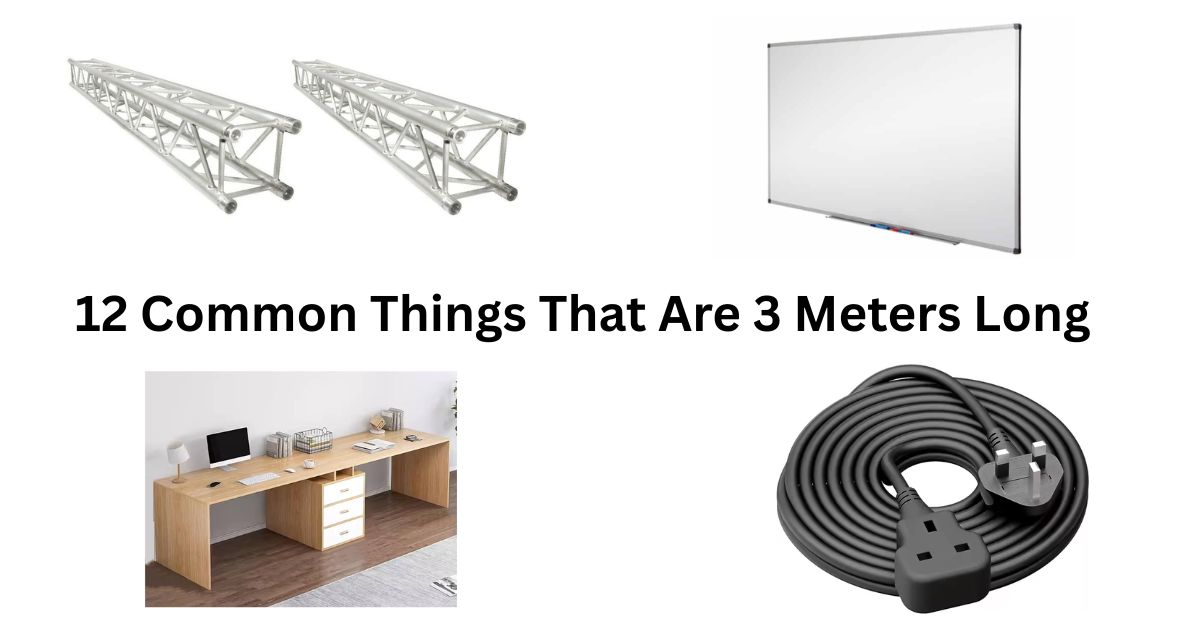
Picture this: you’re scrolling through an online furniture store, and the listing says “3 meters long.” You pause. Is that going to fit in your living room? Will it block the hallway? How does that even look in real life?
Three meters equals 9.84 feet (or about 10 feet) and 118.11 inches (roughly 300 centimeters). That’s longer than most cars are wide and nearly the height of a basketball hoop. Let’s break down exactly what this looks like using everyday objects you already know.
Understanding 3 Meters in Human Terms
Average adult height is about 1.7 meters, which means 3 meters is roughly two adults standing on each other’s shoulders—with extra room at the top. If you’re standing next to something 3 meters long, it stretches almost two full body lengths away from you.
For kids, a typical 8-year-old stands around 1.3 meters tall. Line up two and a half kids head-to-toe, and you’ve got your 3 meters.
Here’s a body reference: lie down on the floor and have someone mark where your feet are. Another person lies down with their head where your feet end. You’re still about half a meter short of 3 meters. That’s how substantial this length really is.
Width-wise in a room, 3 meters is wider than most standard bedrooms (which typically run 2.5 to 3 meters), but fits comfortably as the length of a small to medium-sized living room.
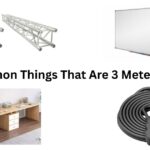
12 Everyday Things That Are 3 Meters Long
| Object | Category | Measurement/Dimension |
| Large Persian Rug | Home Decor | 3 meters length |
| Patio Umbrella | Outdoor Furniture | 3 meters canopy diameter |
| Backyard Trampoline | Outdoor Recreation | 3 meters diameter (10-foot) |
| Two Office Desks | Office Furniture | 3 meters combined length |
| Heavy-Duty Extension Cord | Electrical Equipment | 3 meters cord length |
| Professional Whiteboard | Office Equipment | 3 meters width |
| Inflatable Paddle Board | Water Sports Equipment | 3 to 3.2 meters length |
| Scaffolding Plank | Construction Equipment | 3 meters length |
| Metric Fence Rails | Outdoor Construction | 3 meters length |
| Professional Studio Truss | Event Equipment | 3 meters section length |
| Copper Plumbing Pipe | Home Improvement | 3 meters length |
| Scaffolding Tubes | Construction Equipment | 3 meters length |
1. Large Persian Rug
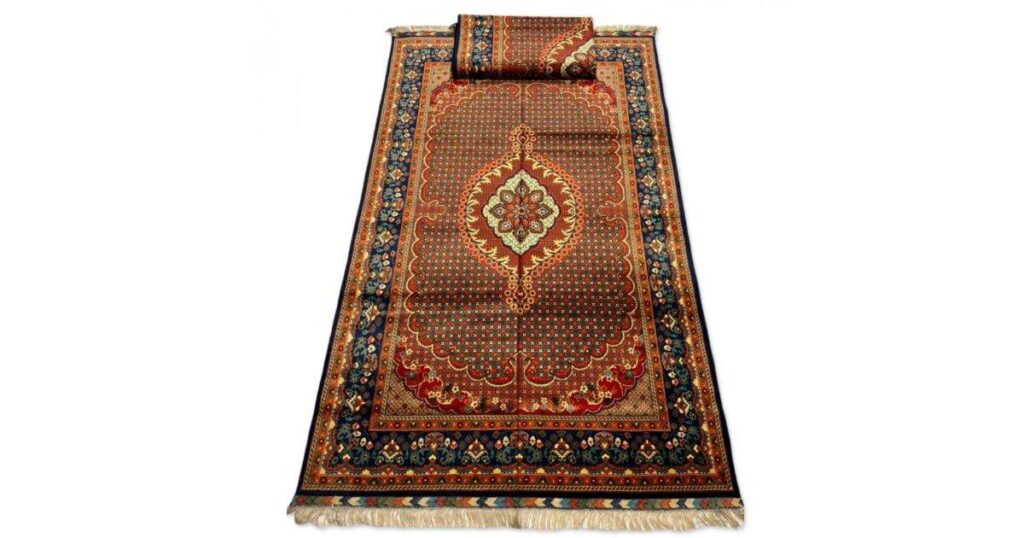
A traditional room-size Persian or Oriental rug often measures around 3 meters in length, making it perfect for anchoring a seating area or dining space. When shopping online, knowing this measurement helps you determine if the rug will fit under your coffee table with enough space for your sofa legs to sit partially on it.
This follows a key design rule: your sofa legs should rest partially on the rug to make rooms feel cohesive. If you’re ordering online, measure your furniture layout first. A rug that’s too small makes your space feel disconnected and awkward.
2. Patio Umbrella (Canopy Diameter)
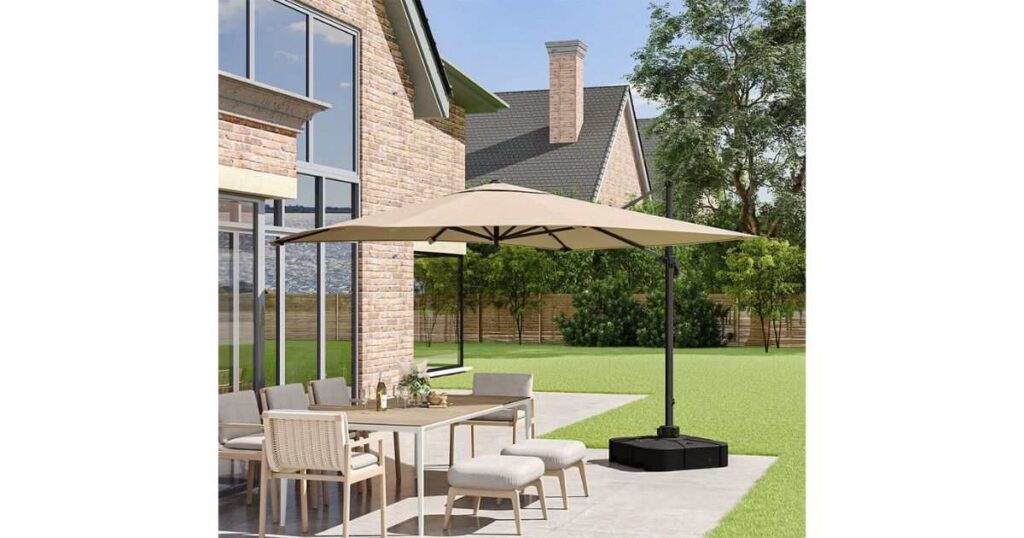
High-end patio umbrellas frequently feature a 3-meter canopy diameter, providing ample shade for a six-person outdoor dining table. Before buying one, measure your patio table length and add at least 60 centimeters on each side to ensure everyone stays shaded during midday sun.
These umbrellas need a heavy base—usually 50 to 75 kilograms—to prevent tipping in wind. If you’re placing one on a deck, check that your decking can support the concentrated weight. Many people underestimate how much space the base takes up around your table legs.
3. Backyard Trampoline
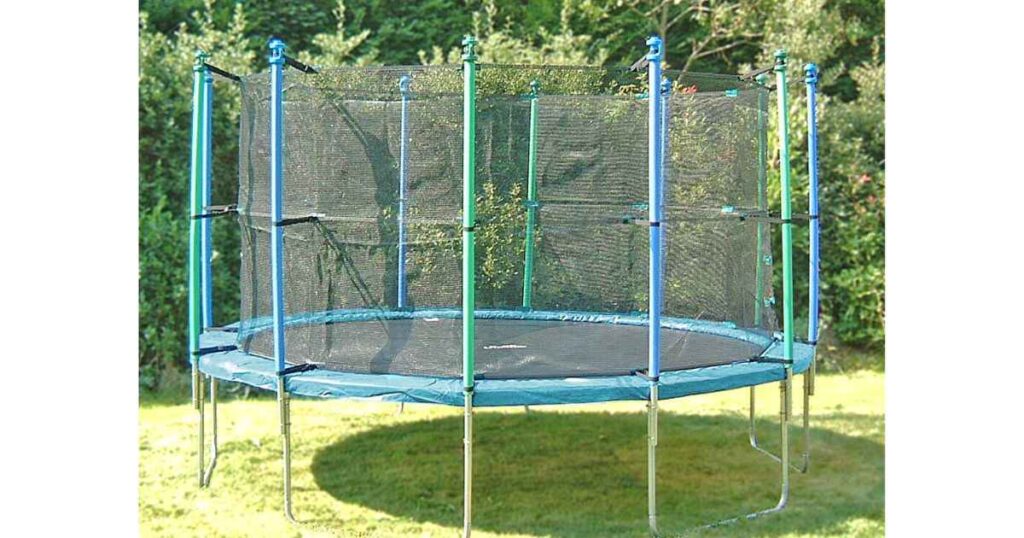
A 10-foot outdoor trampoline is commonly labeled as a 3-meter trampoline in metric markets, offering a sweet spot between space-saving and jumping surface. This size works well for backyards where you need to maintain at least 2 meters of clearance from fences, trees, or structures for safety.
Check local placement guidelines before installation—some areas have setback requirements from property lines. The mat itself is slightly smaller than 3 meters because the frame and springs take up space. Expect the actual jumping surface to be around 2.4 meters across.
4. Two Large Office Desks (Side-by-Side)
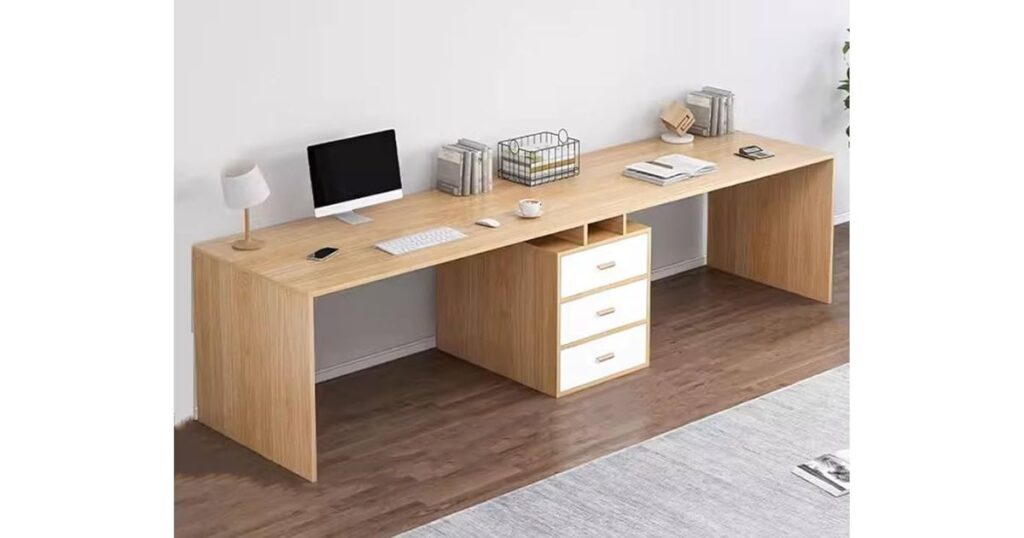
Place two standard executive desks (each about 1.5 meters) side-by-side, and you’ve created a 3-meter workspace perfect for collaborative offices or dual-monitor setups. This configuration works brilliantly in home offices where two people need dedicated work surfaces without feeling cramped.
Consider cable management when joining desks—you’ll need power access at multiple points along the length. Most people forget about this until they’re crawling under desks with extension cords. Plan your outlet placement or invest in a cable tray system that runs underneath.
5. Heavy-Duty Extension Cord
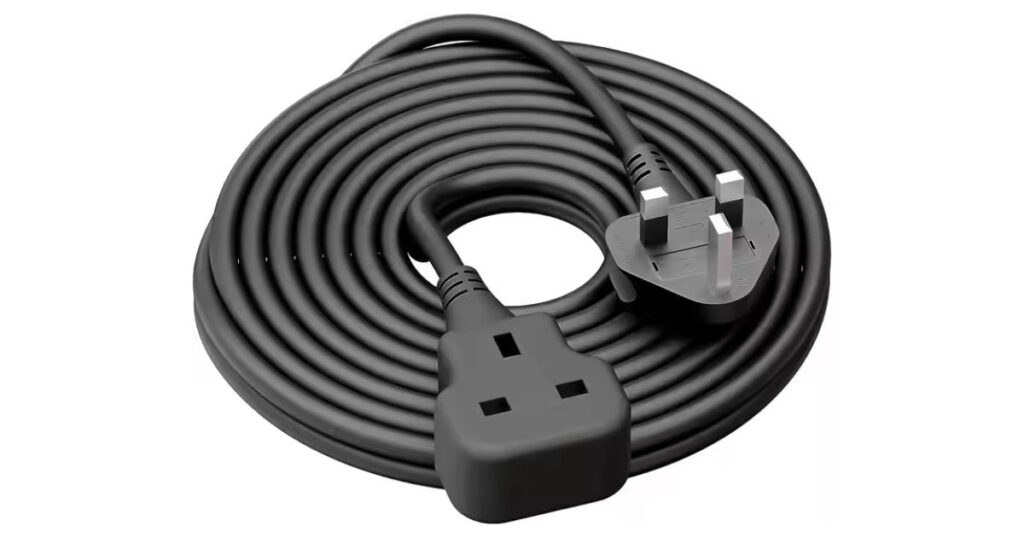
Professional-grade extension cords come in 3-meter lengths, featuring thick copper wire (1.5mm² or more) and safety features like built-in fuses. This length is ideal for workshop setups where you need to reach power tools from a central outlet without excessive cord coiling, which can cause overheating.
Coiled extension cords create electromagnetic fields that generate heat—a fire hazard with high-amperage tools. A 3-meter cord lets you stretch it fully for table saws, air compressors, or welders. Always check the amp rating matches your tool’s requirements before plugging in.
6. Professional Magnetic Whiteboard
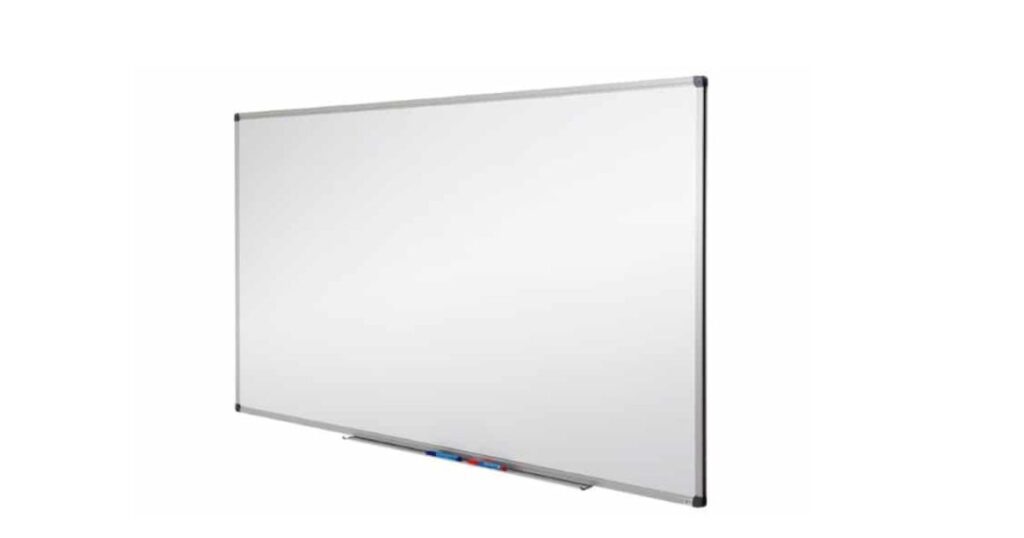
Conference room whiteboards often span 3 meters in width, giving presentation teams enough space to map out complex workflows or brainstorming sessions without erasing. When mounting one this large, you’ll need at least two people and a stud finder—these boards weigh 30 to 40 kilograms.
Wall studs need to support this weight, so mounting directly into drywall won’t work. Find at least three studs across the span and use heavy-duty anchors rated for 15 kilograms each. The board’s center of gravity sits higher than you’d expect, creating leverage that can pull weak anchors right out.
Read Also: How Long Is 5 Meters? 10 Common Things That Are 5 Meters Long
7. Inflatable Paddle Board (SUP)
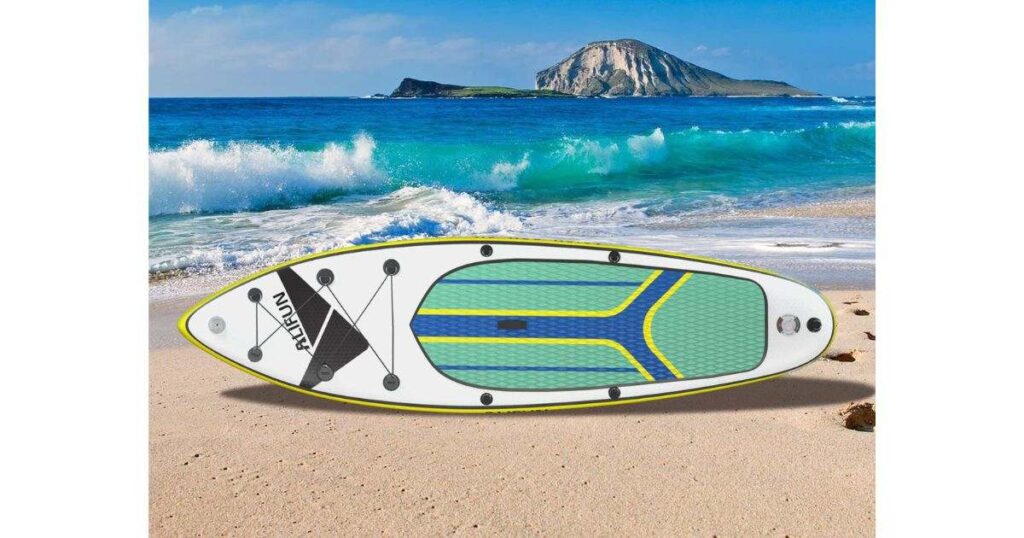
All-around recreational paddle boards typically measure 3 to 3.2 meters (10 to 10.5 feet) in length, balancing stability for beginners with enough speed for casual cruising. This size deflates to fit in a backpack, but when inflated, you’ll need a vehicle with roof racks or a truck bed to transport it to the water.
Inflation takes about 8 to 10 minutes with a hand pump—your arms will feel it. Most boards need 15 to 20 PSI for proper rigidity. Under-inflated boards flex in the middle and make paddling exhausting because you’re fighting the board bending with each stroke.
8. Scaffolding Plank
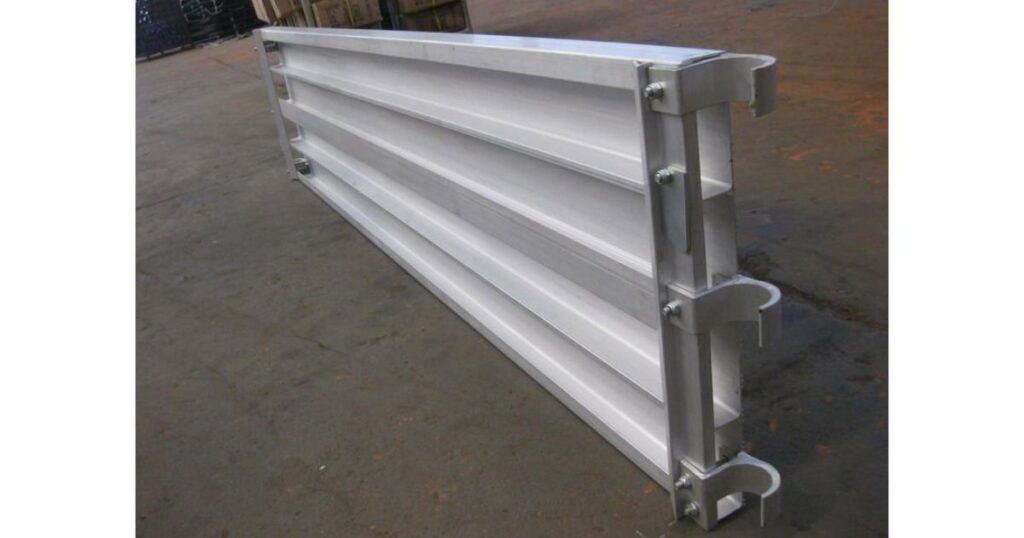
Industrial scaffolding planks come in standard 3-meter lengths, designed to span between vertical frames for safe working platforms. DIYers should note these planks need support every 1.5 meters maximum—never span the full length without a center support unless the plank is specifically rated for it.
Each plank weighs around 20 kilograms and can support 150 to 225 kilograms when properly braced. The weight rating stamped on the side isn’t optional information—exceeding it causes catastrophic failure. Planks also expand and contract with moisture, so outdoor storage requires coverage to prevent warping.
9. Metric Fence Rails (Arris Rails)
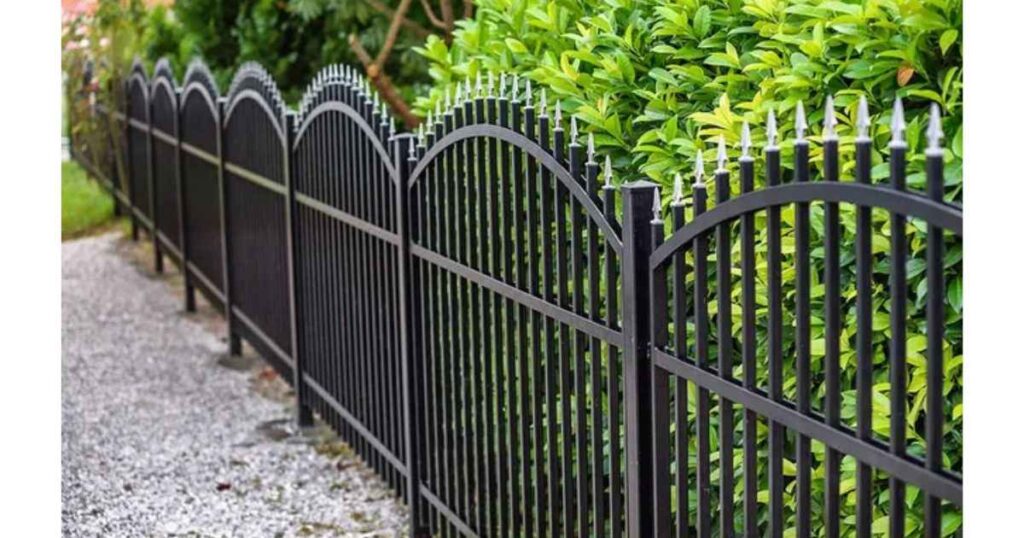
Arris rails and cant rails for fence construction are manufactured in 3-meter lengths, designed to span between fence posts spaced at standard 1.8 to 2.4-meter intervals. Buy extra—cutting these to fit uneven ground means you’ll need more pieces than a simple perimeter calculation suggests.
Ground slope eats up length fast. A fence running downhill requires stepped rails, and each step wastes 20 to 30 centimeters of material per post. Calculate 15% extra for typical yards with modest slopes. Flat yards are rare, and assuming you have one leads to mid-project hardware store runs.
10. Professional Studio Truss
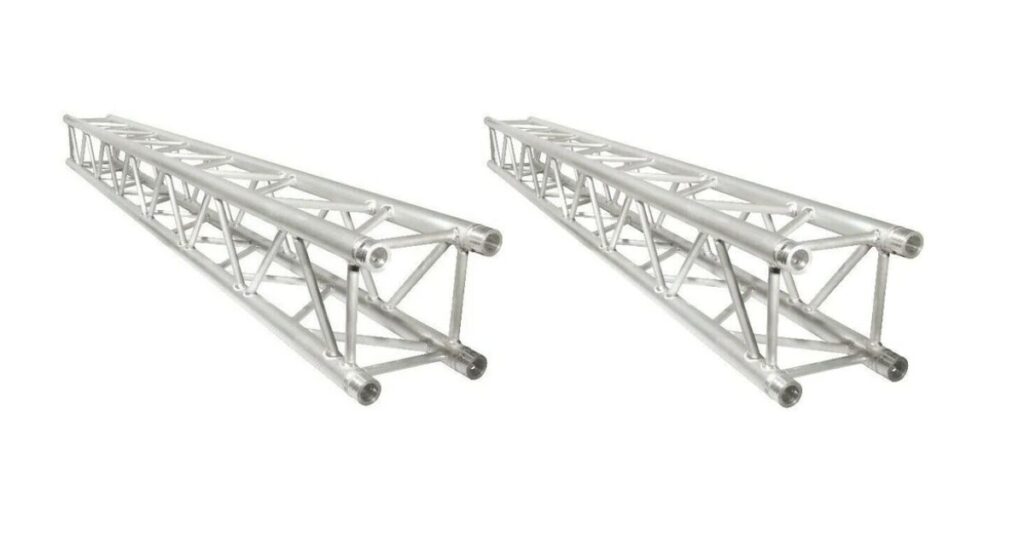
Stage and studio lighting trusses are sold in 3-meter sections, allowing event crews to build modular rigging systems for concerts or photography studios. Each section connects with quick-release couplers, but remember that longer spans require stronger truss grades to prevent dangerous sagging under equipment weight.
A single 3-meter truss section weighs 8 to 12 kilograms and can support 50 to 200 kilograms depending on the grade (light, medium, or heavy duty). That weight rating assumes the truss is supported at both ends. Cantilever one end without support and the rating drops to nearly nothing—physics doesn’t negotiate.
11. Copper Plumbing Pipe
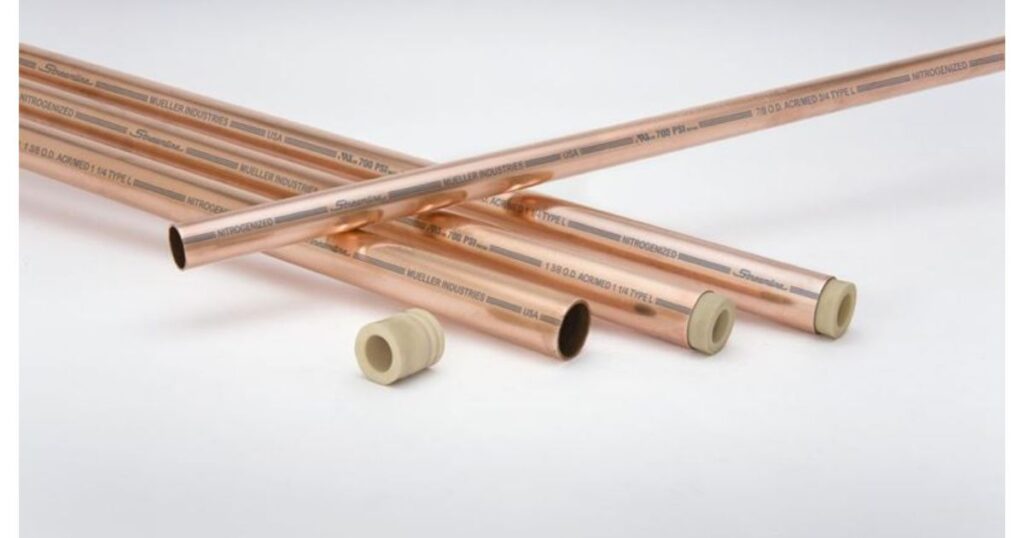
DIY-friendly copper pipes come in 3-meter lengths at hardware stores, shorter than contractor-grade pipes to fit in regular cars without roof racks. Measure your plumbing run before buying—you’ll waste less material and create fewer joints (which are potential leak points) if you plan cuts carefully.
Each joint requires a coupling, flux, solder, and time. Minimizing joints saves money and reduces failure points. Copper also work-hardens when you bend it, so factor in waste if you’re making curves. Professionals use 6-meter lengths because fewer joints matter more than transport convenience.
Read Also: How Long Is 1 Meter? 11 Common Things That Are 1 Meter Long
12. Metric Scaffolding Tubes
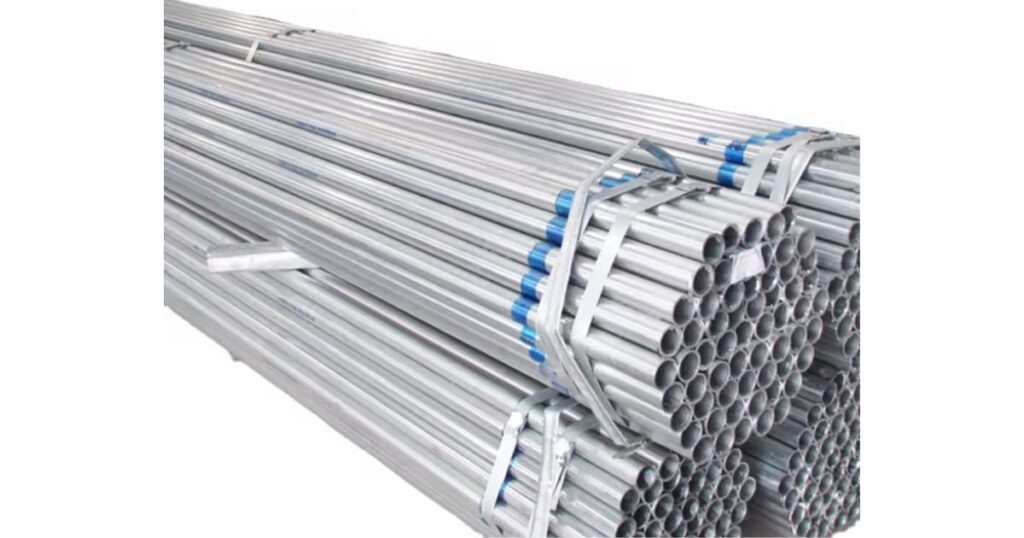
Standard scaffolding tubes measure exactly 3 meters in length, forming the vertical and horizontal framework for construction access platforms. These tubes weigh about 15 kilograms each, so transporting more than a dozen requires a proper vehicle and securing straps rated for metal cargo.
Scaffolding tubes are precision-cut to ensure level platforms when assembled. Mixing tubes of different lengths in a vertical stack causes dangerous tilting. Each tube connects with clamps that need hand-tightening to specific torque—finger-tight isn’t enough, and over-tightening cracks the clamps.
Practical Tips for Measuring and Visualizing 3 Meters
The Doorway Trick
Most interior doorways measure 2 meters in height. Stand in a doorway and imagine adding another half-doorway on top—that vertical distance roughly equals 3 meters laid horizontally.
The Step Method
An average adult step (heel to heel) measures about 75 centimeters. Take four normal walking steps in a straight line, and you’ve covered 3 meters. This works for quickly checking if a sofa will fit along a wall.
The Arm Span Shortcut
Stretch your arms out to your sides. For most adults, fingertip-to-fingertip measures close to your height (around 1.7 meters). You’d need to lay down this measurement almost twice to reach 3 meters.
Furniture Fitting Check
Before buying any 3-meter item, measure your doorways, hallways, and staircases. A 3-meter sofa won’t fit through a standard 80-centimeter doorway straight on—you’ll need to angle it, remove legs, or check if it comes in sections.
Safety Clearance for Large Items
Leave at least 80 centimeters to 1 meter of clearance around 3-meter furniture for safe movement. This prevents bruised shins and meets accessibility guidelines for wheelchair users who need 90-centimeter minimum pathways.
The Ceiling Height Reality Check
Most homes have 2.4 to 2.7-meter ceilings. If you’re considering standing a 3-meter object upright (like a ladder or pole), it won’t fit without angling—and you’ll damage ceilings trying.
Frequently Asked Questions
How long is 3 meters compared to a car?
Most compact cars measure 4 to 4.5 meters long, so 3 meters is about two-thirds the length of a small car or roughly equal to the width of a car parked perpendicular to you.
Can I fit a 3-meter sofa through a standard door?
Probably not straight-on. Standard doors are 80 to 90 centimeters wide, so you’ll need to angle the sofa diagonally, remove the legs, or check if it’s a sectional that disassembles.
How do I measure 3 meters without a tape measure?
Use dollar bills (15.6 cm each—need about 19 bills), standard printer paper (29.7 cm long—need about 10 sheets), or your own foot length (measure once with a ruler, then use it as a unit).
Is 3 meters too long for a bedroom rug?
It depends on your bedroom size. A 3-meter rug works beautifully in master bedrooms (typically 3.5 to 4.5 meters long) but will overwhelm a small 2.5-meter bedroom—aim for rugs that leave 30 to 50 centimeters of floor showing on each side.
How many people can sit comfortably on a 3-meter sofa?
A 3-meter sofa typically seats 3 to 4 adults comfortably, assuming each person needs about 60 to 75 centimeters of width.
What’s the weight limit for a 3-meter scaffolding plank?
Most 3-meter planks rated for construction use support 150 to 225 kilograms when properly supported at 1.5-meter intervals—always check the manufacturer’s load rating stamped on the plank.
How long is 3 meters in a swimming pool?
Three meters is about one-third the length of an Olympic pool (50 meters) or slightly longer than the shallow end of many residential pools, which often measure 2.4 to 3 meters before sloping deeper.
Key Takeaways: Making 3 Meters Work for You
Three meters shows up everywhere—from the furniture in your living room to the tools in your garage. At roughly 10 feet, it’s long enough to be substantial but manageable for most home and DIY projects.
Quick references: about the height of two adults stacked, the width of a generous bedroom, four adult walking steps, or two-thirds the length of a compact car.
When shopping for 3-meter items, always measure the path to where it’s going, not just the destination. Doorways, hallways, and staircases become your biggest challenges. For furniture placement, leave breathing room—at least 80 centimeters for comfortable walking. For construction materials, check support requirements and weight ratings.
Understanding what 3 meters looks like transforms abstract numbers into confident decisions.

I am the editor and author of StoriesRadius.com, a blog about measurements and dimensions. I enjoy turning numbers and sizes into simple stories that anyone can understand. From everyday objects to curious facts, I share clear guides based on real research and experience. My goal is to make learning about length, height, and size fun, useful, and easy for all readers.