Picture this: you’re browsing online for a new outdoor awning, and the listing says “5-meter extension.” You pause. Is that big enough to cover your patio? Will it even fit? Or maybe you’re helping your kid with a school project about measurements, and they ask, “Dad, how long is 5 meters really?”
Here’s the thing—5 meters is 16.4 feet or 196.85 inches (500 centimeters, to be exact). That’s roughly the length of a small car, or about three tall adults lying head-to-toe. Understanding this measurement helps you make smarter decisions when shopping for furniture, planning DIY projects, or just visualizing space.
Visualizing 5 Meters Using Human Scale
Before we dive into specific objects, let’s anchor this measurement to something you know intimately—your own body and familiar spaces.
Compared to people: The average adult stands about 1.7 meters tall (5’7″). So 5 meters equals roughly three adults standing on each other’s shoulders. If you’re 6 feet tall (1.83 meters), you’d need to lie down 2.7 times to cover this distance.
Walking it out: An average adult stride is about 0.75 meters (30 inches). Walking 5 meters takes roughly six to seven normal steps. Try it in your hallway right now—that’s all it takes.
Room perspective: Most standard living rooms are 12-16 feet wide. At 16.4 feet, this measurement would stretch nearly wall-to-wall in many homes. Picture your couch against one wall—it would reach past the TV stand on the opposite side.
Doorway reference: A standard door is about 2 meters tall. Stack 2.5 doors vertically, and you’ve got 5 meters. Line up two full-size refrigerators plus a kitchen chair, and you’re there.
Car comparison: A compact sedan like a Honda Civic measures about 4.5-4.7 meters bumper-to-bumper. So 5 meters is just slightly longer than your neighbor’s sedan parked outside.
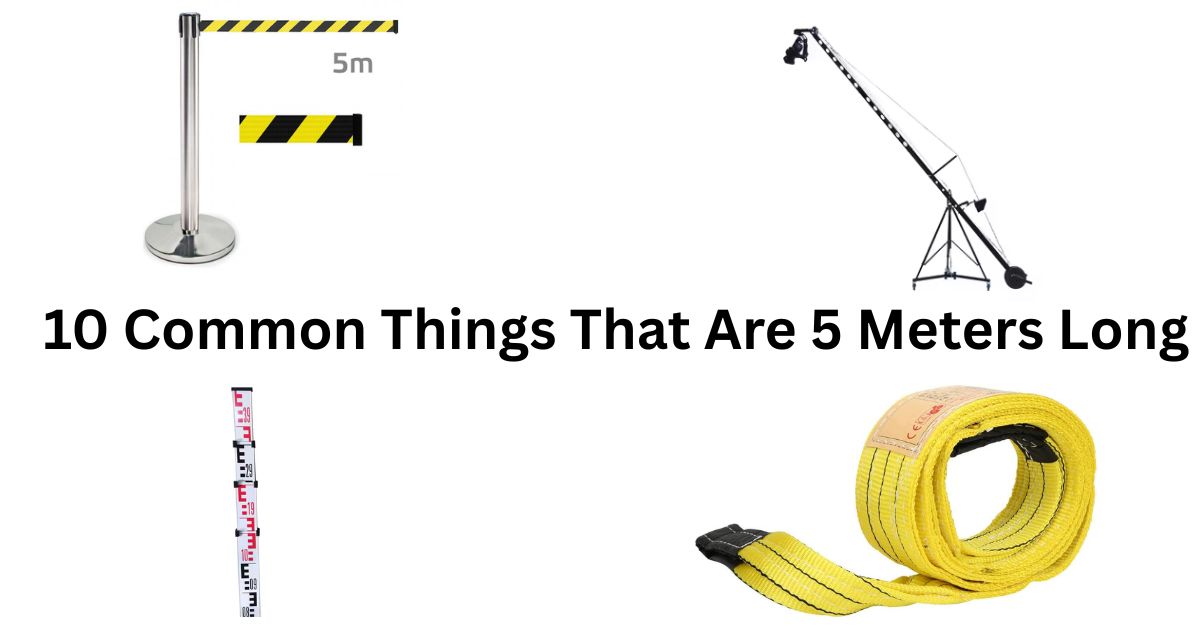
10 Common Things That Are 5 Meters Long
| Object | Category | Measurement/Dimension |
| Heavy-Duty Tie-Down Straps | Hardware/Automotive | 5 meters (16.4 feet) length |
| LED Strip Light Spools | Home Lighting | 5 meters (500 cm) per reel |
| Five Acoustic Guitars End-to-End | Musical Instruments | 5 guitars × 1 meter each |
| Industrial Lifting Slings | Construction Equipment | 5 meters length (standard size) |
| Ten 50cm Floor Rugs | Home Decor | 10 rugs × 50cm = 5 meters |
| Water Polo 5-Meter Line | Sports/Pool Marking | 5 meters from goal line |
| Retractable Barrier Belts | Crowd Control/Security | 5 meters belt extension |
| Surveyor’s Leveling Staff | Land Surveying Tools | 5 meters (5-section telescoping) |
| Commercial Retractable Awnings | Outdoor/Commercial | 5 meters width or extension |
| Professional Camera Jib Arms | Film/Video Production | 5 meters (16-18 foot jibs) |
1. Heavy-Duty Tie-Down Straps
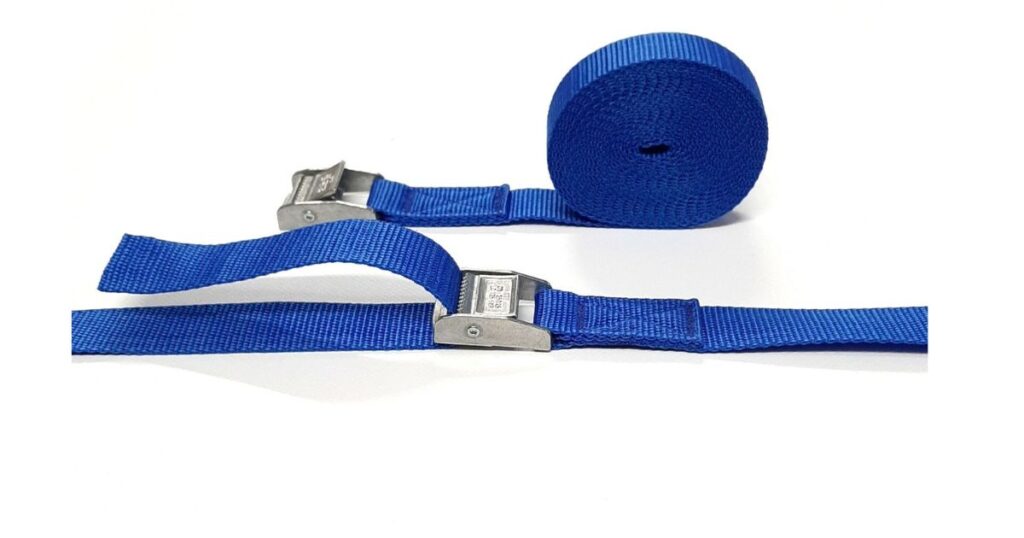
Many heavy-duty ratchet straps sold at hardware stores are exactly 5 meters (16.4 feet) long, often 25mm to 50mm wide. These are the straps you’d use to secure a motorcycle, ATV, or kayak to a trailer.
The 5-meter length gives you enough slack to wrap around cargo and anchor points without being excessively long. Shorter straps leave you struggling to reach tie-down points, while longer ones create dangerous loose ends that can catch on highway debris. This sweet-spot length became an industry standard because it handles most medium-sized loads—from dirt bikes to generators—without waste.
When buying these straps, check the working load limit (usually stamped on the label). A 5-meter strap rated for 500 kg can handle a small motorcycle, but you’ll need higher ratings for ATVs or multiple items bundled together.
2. Standard LED Strip Light Spools
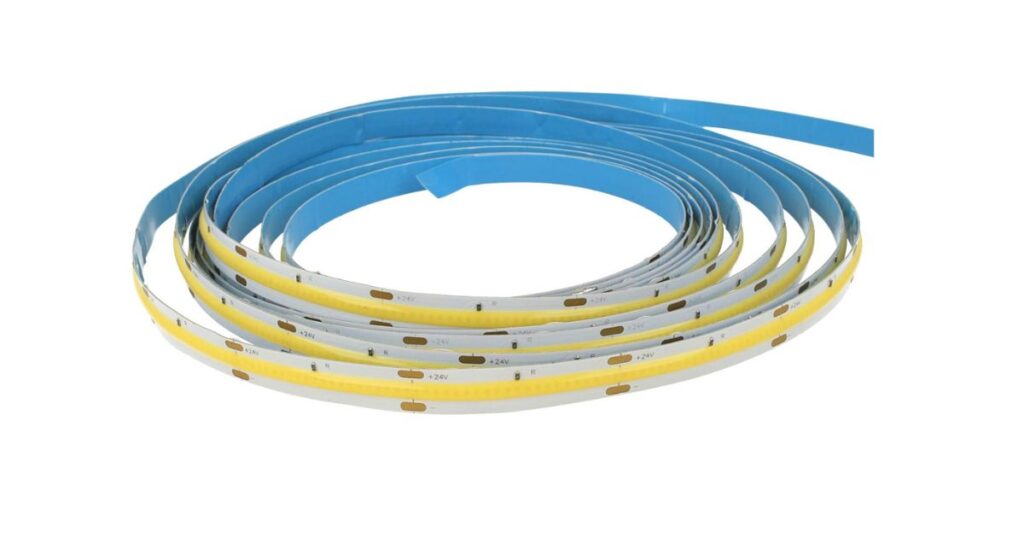
Walk into any home improvement store, and you’ll find LED strip lights packaged in 5-meter reels. These flexible, adhesive-backed lights are perfect for under-cabinet lighting, accent walls, or gaming setups.
The 5-meter length covers roughly three sides of an average bedroom at ceiling level. You can cut them at marked intervals (usually every 5-10 cm) to customize the fit. Most kits include a power adapter designed specifically for 5-meter runs—going longer often requires additional power supplies to prevent voltage drop and dimming at the far end.
Installation is straightforward: peel, stick, and plug in. Just make sure your surface is clean and dry, or the adhesive won’t hold. For permanent installations, consider aluminum channels that diffuse the light and protect the strips from dust.
3. Five Standard Acoustic Guitars End-to-End
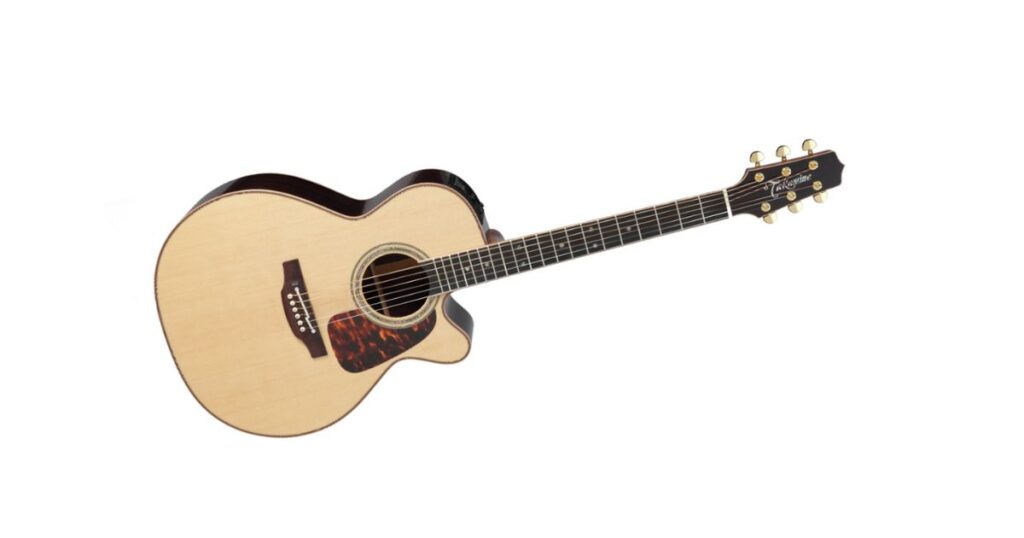
A full-size acoustic guitar measures about 1 meter (40 inches) from headstock to body end. Line up five guitars, and you’ve visualized 5 meters perfectly.
This comparison works great if you’re a musician or have guitars lying around. Imagine them forming a straight line across your studio or garage floor. It’s also a fun teaching tool for music students learning about spatial awareness on stage—knowing that five guitar-lengths equals the width of a small performance space helps with setup and movement planning.
String instrument shops often use this kind of measurement when designing display walls or calculating how many instruments fit in a showroom row.
4. Industrial Lifting Slings for Cranes
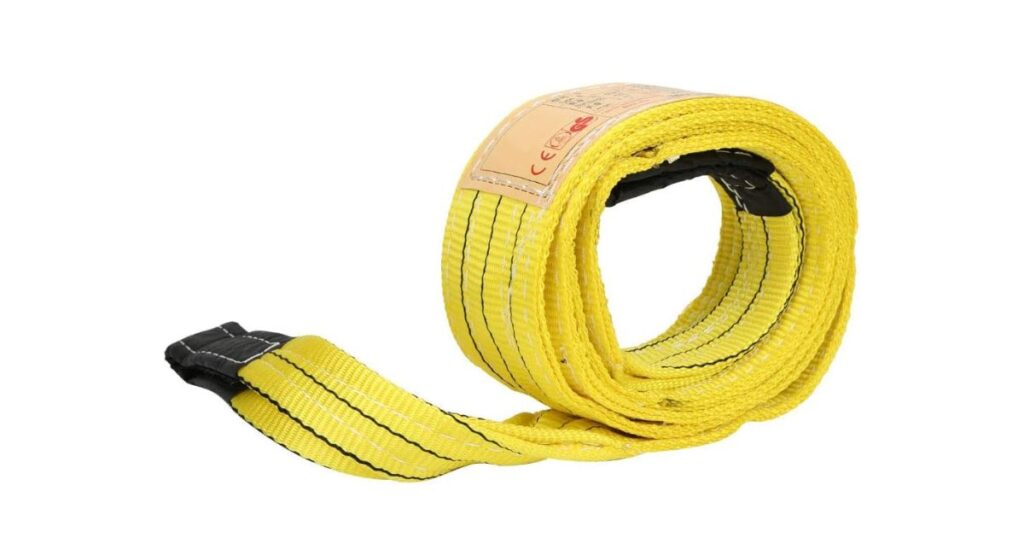
In construction and heavy industry, polyester or chain lifting slings are commonly manufactured in 5-meter lengths. These slings hoist steel beams, machinery, and palletized loads on job sites.
Riggers choose 5-meter slings because they provide enough reach for mid-sized lifts without excess material that could tangle or create safety hazards. A 5-meter sling can wrap around an I-beam, loop back to the crane hook, and still have proper choke or basket configurations. Going shorter limits your lifting angles; going longer means you’re dragging extra chain across the ground.
Safety regulations require color-coded tags on each sling indicating length, capacity, and last inspection date. Never use a frayed or damaged sling, regardless of length—the consequences can be fatal.
Read Also: How Long Is 1 Meter? 11 Common Things That Are 1 Meter Long
5. Ten 50cm Floor Rugs Placed End-to-End
Those small square floor mats you see in kitchens or bathrooms? They’re often 50cm x 50cm (about 20 inches square). Stack ten of them in a line, and you’ve got exactly 5 meters (500 centimeters).
This visual helps if you’re planning a hallway runner or trying to figure out how many tiles you need for a 5-meter stretch. Interior designers use this trick when sketching floor plans—converting continuous measurements into countable units makes estimates faster and more accurate.
You can also use this method for estimating grout, underlayment, or cleaning supplies. Ten mats mean ten seams to seal, ten sections to scrub, and ten potential trip hazards if they’re not secured properly.
6. The 5-Meter Line in Water Polo
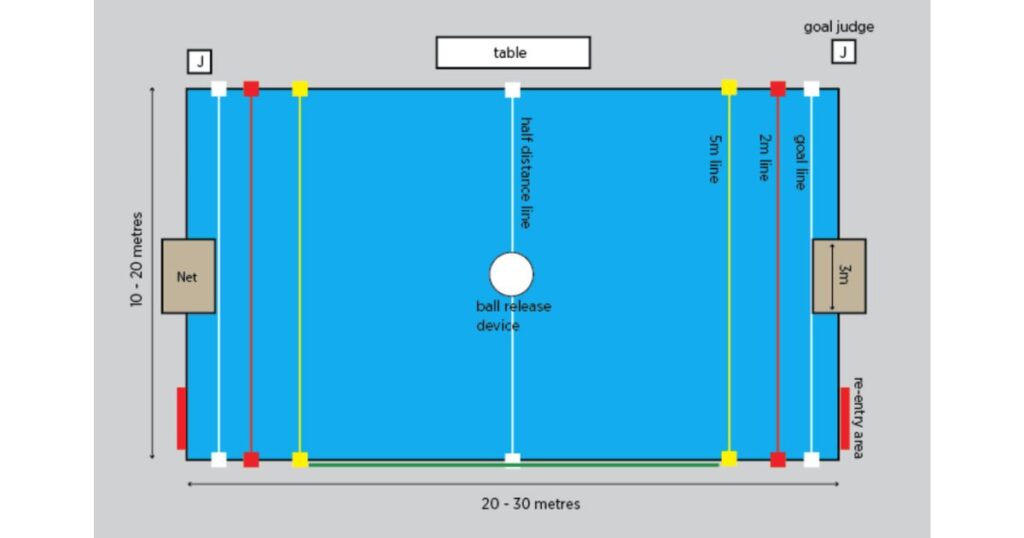
If you’ve ever watched or played water polo, you’ve seen the 5-meter line—marked by a yellow buoy or lane marker exactly 5 meters (roughly 5.5 yards) from each goal.
This line determines where certain fouls and free throws happen. Offensive players can’t enter this zone during penalty shots, and goalies rely on it for positioning. It’s a fixed, official measurement used in Olympic and NCAA pools worldwide, so every competitive player internalizes what 5 meters feels like in the water.
Coaches use this line for conditioning drills, too. Swimming from the 5-meter line to the wall and back is a standard sprint set that builds explosive power without exhausting athletes with full-length laps.
7. Retractable Barrier Belts (Crowd Control)
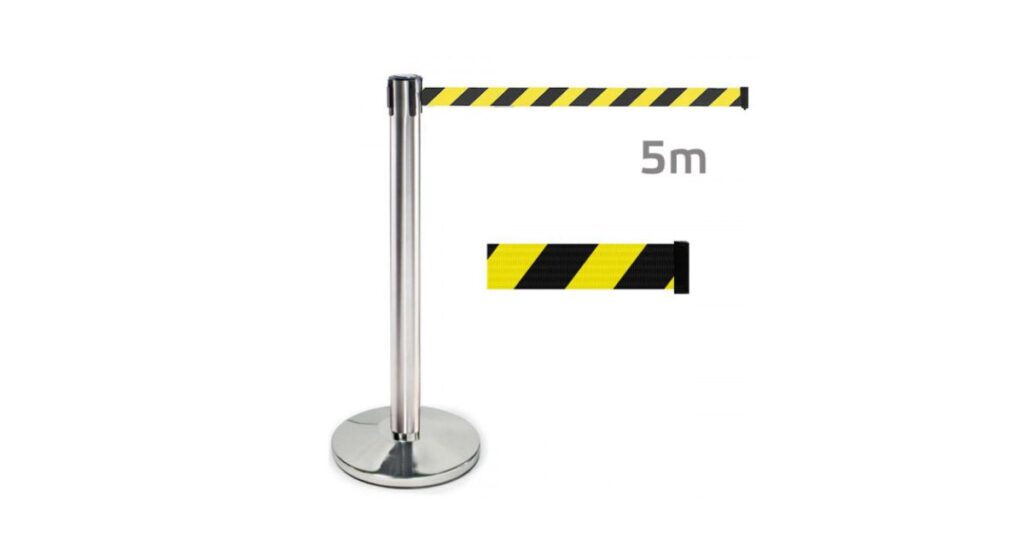
Those stanchion posts with retractable belts you see at airports, banks, and concert venues? Many use belts that extend exactly 5 meters.
Security staff rely on this length to create flexible queues without needing excessive posts. Five meters bridges the gap between two posts while keeping the belt taut enough to discourage people from ducking under. Any longer and the belt sags; any shorter and you need more posts, which increases setup time and storage costs.
When renting or buying these for events, confirm the belt length matches your space. A 5-meter belt works perfectly for open lobbies but might be overkill for narrow hallways where 3-meter versions are more practical.
Read Also: How Long is 7 Inches? 15 Common Things That Are 7 Inches Long
8. Surveyor’s Leveling Staff (5-Section Rod)
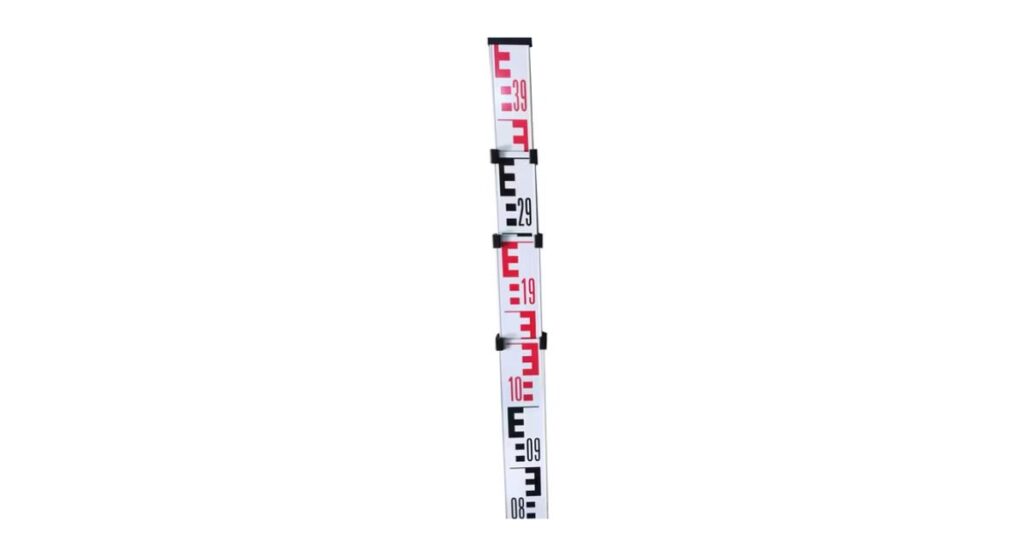
Land surveyors use telescoping leveling staffs to measure elevation changes on construction sites. A common model is the 5-meter aluminum rod, which collapses into five compact sections for portability.
When fully extended, it reaches 5 meters—perfect for sighting through optical levels and determining ground slopes. Surveyors read measurements off graduated markings (usually in centimeters and meters) to calculate cut-and-fill volumes for grading projects. The 5-meter height handles most residential and small commercial jobs without requiring scaffolding or ladders.
These staffs are color-coded (red, white, black) in alternating bands to improve visibility at long distances. A crew chief standing 100 meters away can still read the markings through a transit scope on a sunny day.
9. Commercial-Grade Retractable Awnings
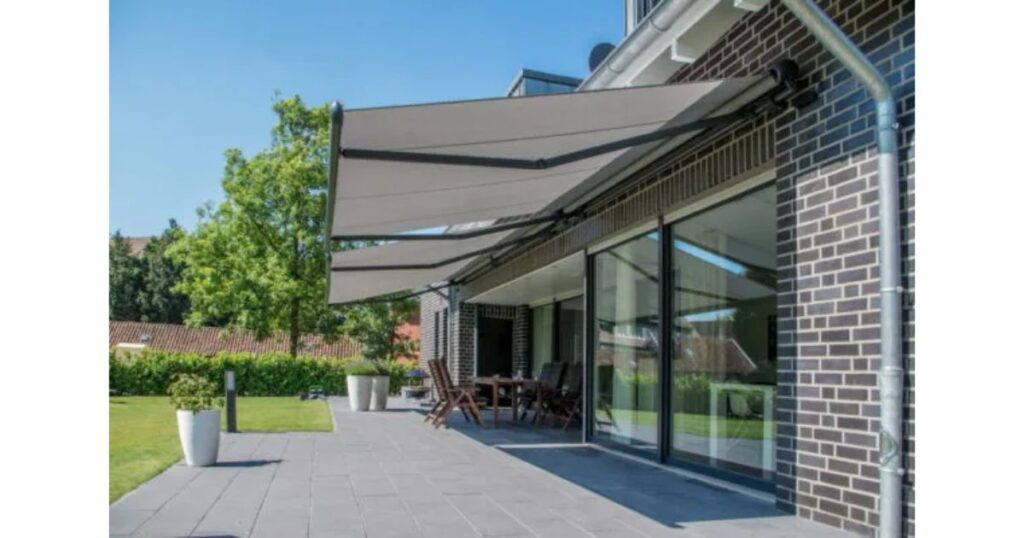
Outdoor awnings for cafes, restaurants, and storefronts often come in 5-meter widths or extensions. A 5-meter awning provides substantial shade coverage for a patio seating area or storefront entrance.
You can fit about four to six café tables under a 5-meter awning, protecting diners from sun and light rain while staying within standard size brackets for motorized retraction systems. Larger awnings require reinforced mounting brackets and wind sensors to prevent damage during storms—5 meters hits the balance between coverage and structural simplicity.
Building codes in many cities limit awning projection over sidewalks to specific distances (often around 2-3 meters). Always check local regulations before installation, even if the awning itself is 5 meters wide, because orientation matters.
10. Professional Camera Jib Arms (18-Foot Jibs)
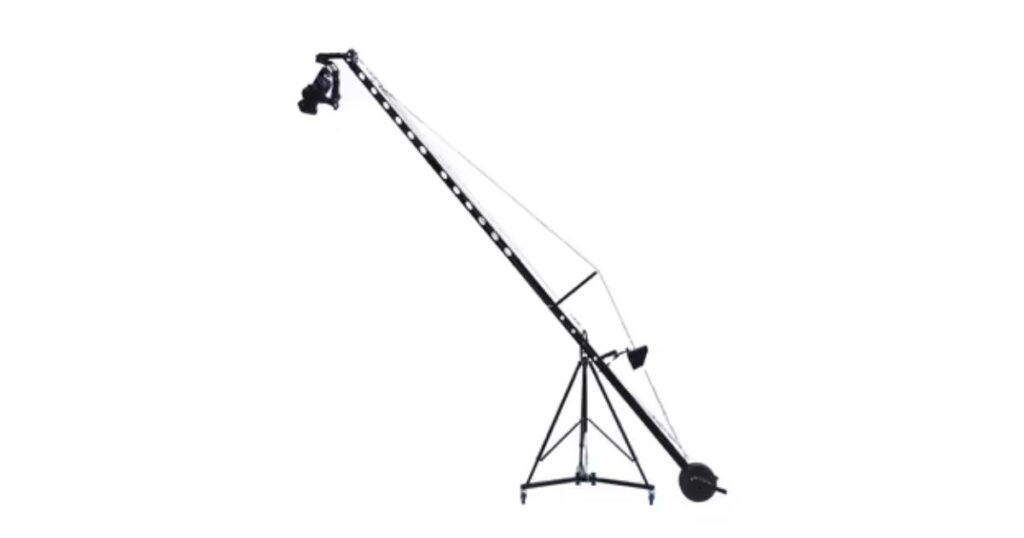
In film and video production, camera jibs (those boom arms that create sweeping overhead shots) are frequently manufactured in 5-meter lengths, marketed as “16-18 foot jibs.”
Cinematographers use these for dynamic tracking shots at weddings, live events, and indie films. The 5-meter reach lets you capture wide aerial perspectives without needing a full crane setup. You can start low at ground level and sweep up to capture a speaker on stage, or pan across a dance floor from above—all with one operator and a counterweight system.
Transport is easier with 5-meter jibs, too. They break down into manageable sections that fit in standard production vans, unlike 8-10 meter cranes that require dedicated trucks and multi-person crews.
Practical Tips for Measuring and Visualizing 5 Meters
Measuring without a tape measure: Count six full adult steps heel-to-toe, or stretch your arms out (your wingspan is roughly equal to your height) and measure yourself 2.5-3 times. You can also use a standard door (2 meters tall) as a benchmark—stand it upright, then add half again.
Checking if something fits: Use painter’s tape on the floor or wall to mark 16.4 feet—this gives you a true visual before committing to a purchase. For cars or garages, remember a compact sedan is about 4.5-4.7 meters, so add a couple of feet mentally.
Moving and transporting: Most pickup truck beds are 6-8 feet (1.8-2.4 meters), so a 5-meter item won’t fit unless you angle it diagonally or let it hang over the tailgate. Plan to use roof racks, a trailer, or professional delivery for anything close to this length.
Safety and installation: Check local building codes when installing 5-meter items like awnings or barrier systems. Awnings may require permits if they extend over public sidewalks. Lifting slings must be inspected for load ratings. LED strips should be installed with proper ventilation to prevent overheating.
Visualization hack for kids: Line up five yardsticks (each 1 meter) on the floor for a hands-on lesson. Or use a basketball court—the distance from the baseline to the top of the key is about 5.8 meters, close enough for a quick reference.
Frequently Asked Questions
How long is 5 meters in feet?
5 meters equals exactly 16.4 feet (or 16 feet, 4.85 inches). This is slightly longer than the width of most single-car garages.
How long is 5 meters visually?
Imagine a small car parked in your driveway, or picture three tall adults lying head-to-toe in a straight line. You can also walk it out in about six to seven normal steps.
How long is 5 meters compared to a human?
Since the average adult is about 1.7 meters tall, 5 meters is roughly three times an adult’s height. If you’re 6 feet tall, you’d fit into 5 meters about 2.7 times.
How long is 5 meters in a room?
In most standard living rooms (12-16 feet wide), this measurement would stretch nearly wall-to-wall. It’s perfect for visualizing furniture arrangements, accent walls, or LED lighting runs.
How long is 5 meters on a tape measure?
On a metric tape measure, look for the 500 cm line. On a standard imperial tape (in feet and inches), find the 16-foot, 4-inch mark or just past 16 feet.
How long is 5 meters in steps?
Walking at a normal pace with average stride length (about 0.75 meters per step), you’ll cover this distance in approximately six to seven steps. Try it in your hallway to confirm.
How long is 5 meters in centimeters and inches?
5 meters equals 500 centimeters or 196.85 inches. For quick math, remember that 1 meter = 100 cm = 39.37 inches.
Key Takeaways: Making Sense of 5 Meters
5 meters sits right in the sweet spot—long enough to cover significant space, but manageable enough for home projects and everyday visualizations. Whether you’re shopping for LED lights, planning a patio awning, or just trying to explain measurements to your kids, think of it as three tall adults lying down, the length of a compact car, or six brisk steps.
Walk it out in your home, compare it to your car, or use the door-stacking trick. The more you anchor abstract measurements to physical experiences, the easier it becomes to make confident decisions—whether you’re buying, building, or just satisfying your curiosity.

I am the editor and author of StoriesRadius.com, a blog about measurements and dimensions. I enjoy turning numbers and sizes into simple stories that anyone can understand. From everyday objects to curious facts, I share clear guides based on real research and experience. My goal is to make learning about length, height, and size fun, useful, and easy for all readers.