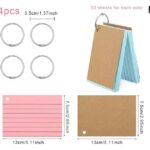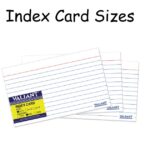
You’re at the store. There’s a 3×5 pack, a 4×6 pack, and a bigger one that says 5×8. You grab the 3×5 because it looks like the “normal” one — and later realize your notes barely fit, or the cards are too small to read during your presentation.
That’s the exact mistake this guide helps you avoid.
Size Isn’t One-Size-Fits-All
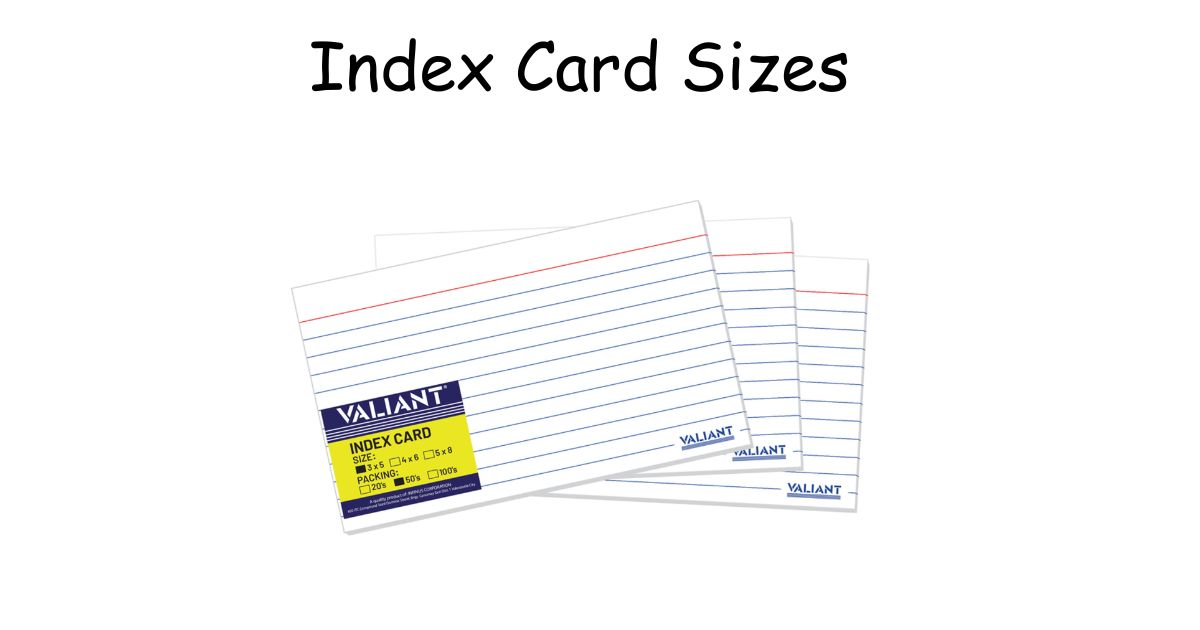
Index cards come in a few standard sizes, and each one genuinely serves a different purpose. It’s not just about preference — the wrong size can make your notes unusable.
Here’s what’s actually on store shelves:
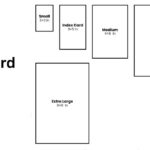
| Size | In Centimeters | Lines (Ruled) |
| 3×5 inches | 7.6 x 12.7 cm | ~10–12 lines |
| 4×6 inches | 10.2 x 15.2 cm | ~15–18 lines |
| 5×8 inches | 12.7 x 20.3 cm | ~25–28 lines |
That’s it. Three sizes cover almost every real-world need. The 8.5×11 “index weight” paper exists too, but that’s just thick cardstock — not what most people mean when they say index card.
The 3×5 Card — Smaller Than People Expect
Hold one for the first time and you might think it’s too small. It kind of is, for some things.
Where it works really well: pure flashcard studying. One term on the front, one definition or answer on the back. That constraint is actually useful — it forces you to keep things simple. A stack of 60 fits in a jacket pocket. That’s the real value.
Where it fails: anything with more than a few sentences. If you write slightly large, you’ll fill a 3×5 card in about four lines. Speakers who try to use these on stage almost always regret it.
Measurement in cm: 7.62 x 12.7 cm
The 4×6 Card — The One Most People Should Start With
This is the size that quietly solves most problems. It’s not tiny, it’s not oversized — it just works.
You can fit a complete recipe on it. You can write five talking points for a speech in readable handwriting. Students who find 3×5 too cramped almost always switch to this and stop complaining.
Recipe boxes sold in most stores are built around 4×6 cards specifically. If you’ve ever bought a recipe box and wondered what size cards to get — it’s this one.
Measurement in cm: 10.16 x 15.24 cm
The 5×8 Card — When You Actually Need Room
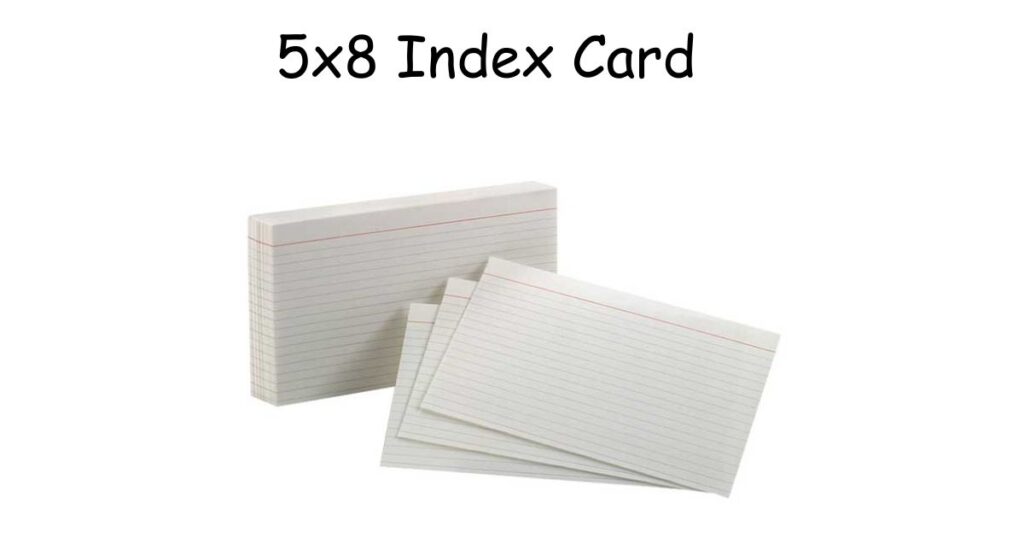
These are noticeably bigger in person. Some people pick up a 5×8 card and say it feels like a notepad, not a card.
That’s actually the point. If you’re outlining a chapter, mapping out a speech with multiple sections, or planning a project visually — this size gives you real working space. You can write in large print and still fit everything you need.
Speakers who use physical cards prefer 5×8 because they can write key phrases in big, bold letters and read them instantly without breaking eye contact with the audience.
Measurement in cm: 12.7 x 20.32 cm
What About Big Index Cards?
Past 5×8, you’re in specialty territory. Sizes like 6×9 or 8×10 exist but you won’t find them at your local pharmacy or grocery store. Order online, or cut thick cardstock yourself.
One practical move: buy a pack of letter-size cardstock, cut it down to whatever dimensions you want, and laminate it. Write with a dry-erase marker. Wipe it clean. It’s basically a reusable card and costs next to nothing to make.
Read Also: Flash Card Size: Everything You Need to Know Before You Make or Buy One
Cue Cards for Speeches — Size Actually Matters Here
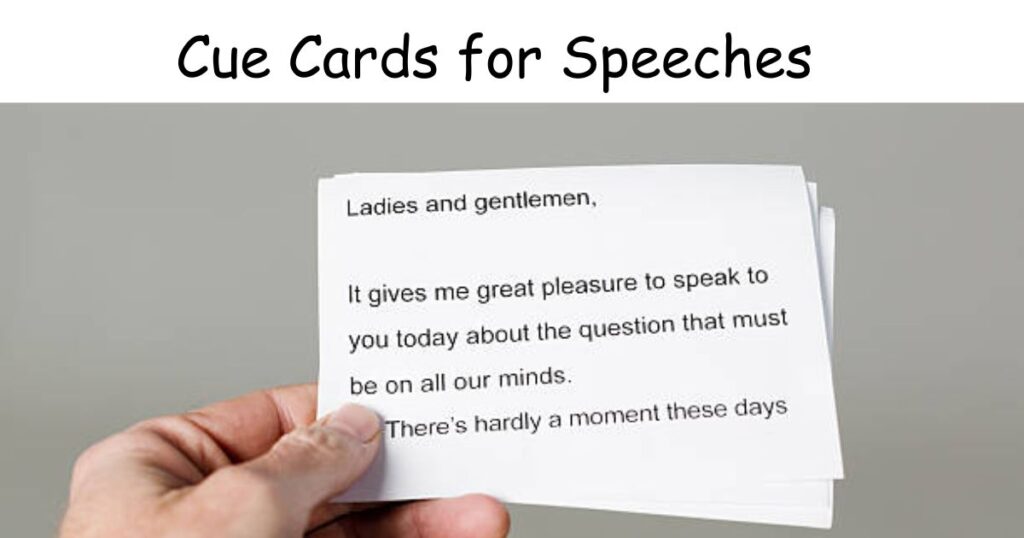
A “cue card” is just an index card used while speaking. But the size choice changes everything in that situation.
3×5 on a stage is a disaster waiting to happen. Your hands are likely shaking a little, the lighting isn’t ideal, and you’re trying to glance down without losing your place. Tiny text on a tiny card makes all of that worse.
The standard for speeches is 4×6 or 5×8. Write one idea per card. Use large print. Number every card before you start practicing — dropping unnumbered cards mid-speech is genuinely painful.
Cue card size in cm: roughly 10×15 cm (4×6) or 12.7×20 cm (5×8)
If You’re Outside the US
Most countries use ISO metric sizing, which doesn’t line up exactly with US inch-based index cards.
- A7 (7.4 x 10.5 cm) is the closest to a 3×5 but slightly taller
- A6 (10.5 x 14.8 cm) is close to 4×6
- A5 (14.8 x 21 cm) is close to 5×8
If you’re ordering from a US retailer and you use metric card holders or binders, check the centimeter measurements in the product listing. A few millimeters of difference matters when you’re trying to fit cards into a specific slot.
Things People Get Wrong
Writing too much on 3×5 cards. The small size works as a feature, not a bug — one idea, one card. The moment you try to cram a paragraph on it, the card becomes unreadable and useless.
Not checking ruled vs. blank. Most packs are ruled (lined), but blank and grid options exist. If you’re sketching diagrams or drawing maps, ruled lines get in the way. Check the label.
Ignoring card thickness. Cheap thin cards buckle and feel bad to write on. Cards labeled 110gsm or higher hold up properly. If you’re writing with markers, go thicker — around 200gsm — or ink bleeds through to the other side.
Buying 3×5 for a recipe box. Almost every standard recipe box is sized for 4×6. Check your box before you buy a hundred 3×5 cards.
Read Also: How Big Is 50mm? 11 Common Things That Are 50mm (With Real Examples)
Frequently Asked Questions
What’s the most common index card size?
3×5 is the most recognized, but 4×6 is arguably more useful for most people. Both are widely available.
What size are index cards in cm?
3×5 = 7.62 x 12.7 cm. 4×6 = 10.16 x 15.24 cm. 5×8 = 12.7 x 20.32 cm.
What size should I use for a speech?
4×6 minimum. 5×8 if you write large or want more breathing room between points.
Do 4×6 cards fit standard recipe boxes?
Yes. That’s what most recipe boxes are designed for.
Can I make my own oversized index cards?
Easily. Cut thick cardstock to whatever size you need. Laminate for reuse.
What’s the difference between A6 and a 4×6 index card?
A6 is 10.5 x 14.8 cm. A 4×6 card is 10.16 x 15.24 cm. Very close, but not identical — matters if you’re using a fitted card holder.
The Short Answer
Pick based on what you’re writing, not what looks right on the shelf.
Short study terms, portable carry → 3×5 Recipes, general notes, most speeches → 4×6 Detailed outlines, big text, complex planning → 5×8
If you’ve never bought index cards before, grab a 4×6 pack first. It’s the least likely to disappoint you, and you’ll know quickly if you actually need something smaller or bigger.

I am the editor and author of StoriesRadius.com, a blog about measurements and dimensions. I enjoy turning numbers and sizes into simple stories that anyone can understand. From everyday objects to curious facts, I share clear guides based on real research and experience. My goal is to make learning about length, height, and size fun, useful, and easy for all readers.