You grab a can off the shelf. It looks big enough. You get home, start rolling, and halfway through the second wall — you’re scraping the bottom. Back to the store you go.
Or the opposite happens. You buy three gallons for a small bedroom, use one and a half, and the rest sits in your garage slowly turning into rubber.
Both of these happen constantly. And they happen because most people skip one simple step: actually understanding what the sizes mean before they buy.
The Size Lineup — And What Each One Is Really For
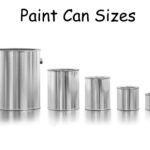
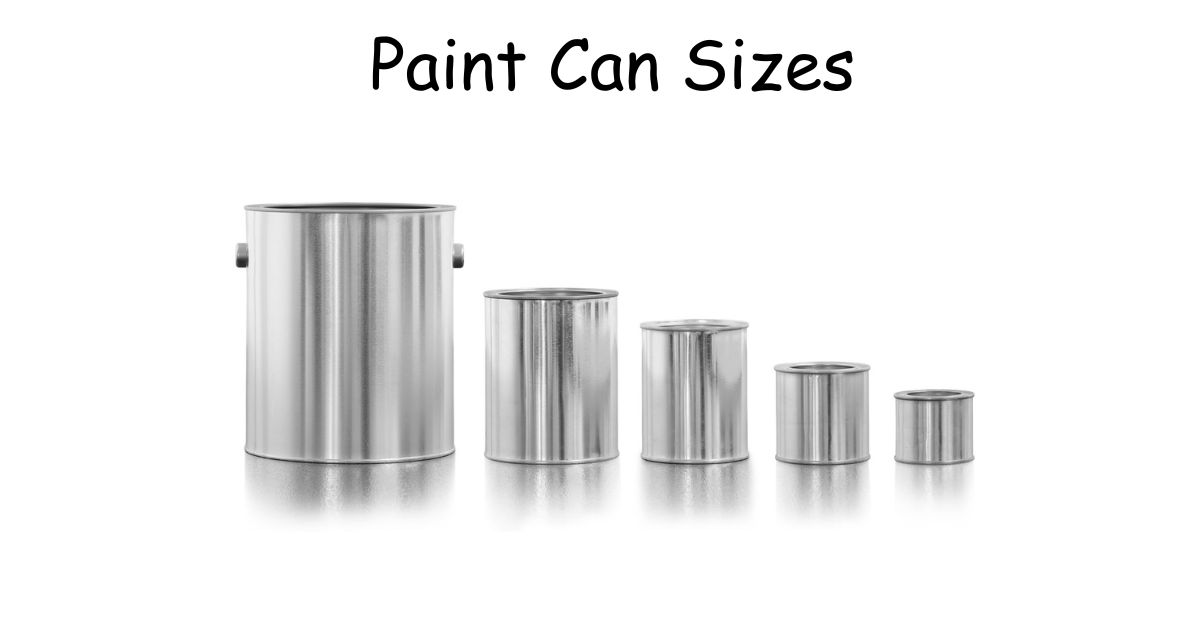
Paint cans aren’t random. Each size exists because there’s a real job that fits it.
The quarter pint (4 oz) is a sample can. Full stop. It’s for slapping color on your wall to see how it looks in your lighting before you spend real money. It covers 25–30 square feet — one small patch. Don’t try to paint anything real with it.
The half pint (8 oz) is the touch-up can. Scuff on the hallway wall, small patch after removing a towel bar, that kind of thing. About 50 square feet of coverage. Home Depot sells these as test cans for Behr and Glidden.
The pint (16 oz) works for trim, baseboards, or a piece of furniture you’re refreshing. Roughly 60–80 square feet per coat. Metal can, small handle, easy to work with.
The quart (32 oz) is the unsung hero of paint sizes. Most people skip it, but it’s perfect for accent walls, small bathrooms, laundry rooms, or closets. One quart gives you about 100 square feet per coat. If your project is under 200 square feet total, start here.
The gallon (128 oz) is the standard for bedrooms, living rooms, and most single-room jobs. One gallon covers 350–400 square feet on a smooth wall. A typical 12×12 bedroom with 8-foot ceilings needs about 1.5 gallons for two coats.
The 5-gallon bucket is for whole-house exteriors, big open commercial spaces, or professional painters doing multiple rooms back to back. It covers 1,750–2,000 square feet. Plastic bucket, wide mouth, and the base (about 9.9 inches) is narrower than the top (about 11.9 inches) so it’s stable when you’re pouring.
Read Also: White Claw Sizes: Every Can Size, Calories & Dimensions Explained
Size Chart at a Glance
| Size | Fluid Oz | Approx. Liters | Diameter | Height | Coverage |
| Quarter Pint | 4 | 0.12 | 2.5″ | 2.06″ | 25–30 sq ft |
| Half Pint | 8 | 0.24 | 2.88″ | 2.88″ | ~50 sq ft |
| Pint | 16 | 0.47 | 3.44″ | 3.94″ | 60–80 sq ft |
| Quart | 32 | 0.95 | 4.25″ | 4.88″ | ~100 sq ft |
| Half Gallon | 64 | 1.89 | 5.38″ | 5.88″ | 180–200 sq ft |
| Gallon | 128 | 3.79 | 6.5″ | 7.5″ | 350–400 sq ft |
| 5 Gallon | 640 | 18.93 | ~12″ | 14.5″ | 1,750–2,000 sq ft |
Coverage numbers assume smooth, previously painted walls with a roller. Rough surfaces, primer coats, and brush application all change things.
How to Actually Calculate What You Need
Measure every wall: length × height. Add those numbers together. Subtract roughly 20 square feet for each door and 15 for each window. That’s your paintable area.
Then multiply by the number of coats — almost always two.
Divide that final number by your paint’s listed coverage per gallon.
Quick example: A 10×12 room, 8-foot ceilings, one door, two windows.
- Two short walls: 10 × 8 = 80 each → 160 sq ft
- Two long walls: 12 × 8 = 96 each → 192 sq ft
- Total: 352 sq ft
- Subtract door and windows: 352 − 20 − 30 = 302 sq ft
- Two coats: 604 sq ft
- Divide by 375 (average gallon coverage): 1.6 gallons
Buy a gallon and a quart. Not two gallons. Not three.
A few things that shift this number
Textured or unpainted drywall absorbs 15–20% more paint — add that buffer. Switching from a very dark color to white (or reverse) might need three coats. Primer is a separate calculation: plan for about one gallon covering 200–300 square feet, depending on surface.
If You’re Shopping in Liters
Metric sizing shows up on Canadian, European, and Australian paint brands. The names are different but the logic is the same.
| Metric Size | Closest U.S. Size | Base Diameter |
| 250 ml | Quarter to Half Pint | ~74 mm |
| 500 ml | Pint | ~74–80 mm |
| 1 L | Quart | ~108–113 mm |
| 2.5 L | Between half gallon and gallon | ~154 mm |
| 4 L | Just over a U.S. gallon | ~160 mm |
That last line matters. A U.S. gallon is 3.785 liters. So a 4L tin actually holds slightly more than a gallon — not less. People assume metric cans are smaller. Sometimes they’re not.
A 1L can is roughly 108mm wide and 120–140mm tall. Dimensions vary a bit by brand, so check the label if it matters for storage or shipping.
Interior vs. Exterior — Same Can, Different Story
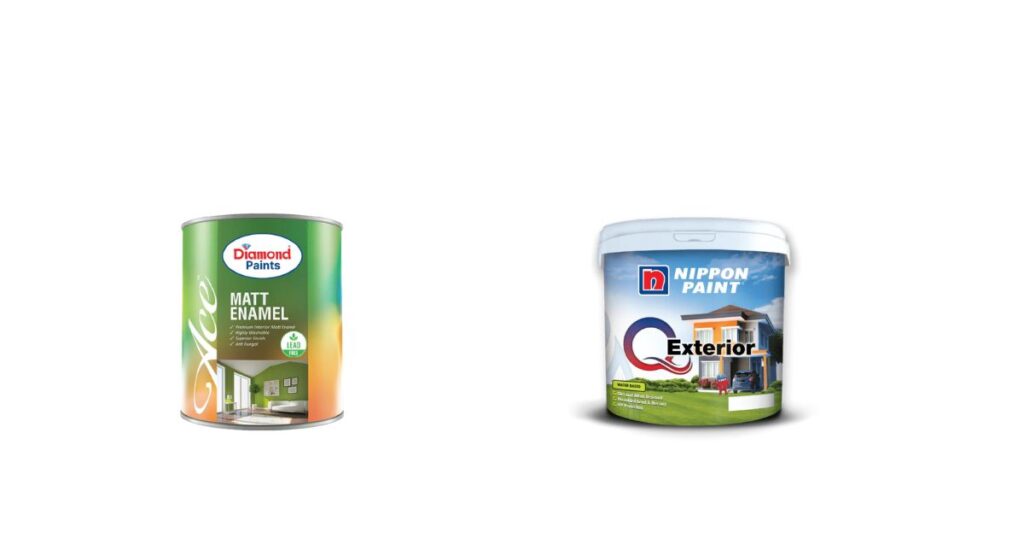
The can sizes are identical. What’s inside is not.
Interior paint spreads smoother and farther because it’s made for sealed, already-painted drywall. Exterior paint is thicker — built to sit on porous wood, brick, or fiber cement and hold up through rain and sun. That thickness means less coverage per gallon outdoors — expect 200–300 square feet with primer, and a similar drop with topcoat on rough siding.
For exterior work, the 5-gallon bucket earns its place. Not just for cost — it’s fewer containers to manage when you’re on a ladder.
What Sherwin-Williams and Home Depot Actually Stock
At Sherwin-Williams, most lines come in quart, gallon, and 5-gallon. The tinting is calibrated per can size — when you order a custom color in a quart, the colorant drops are adjusted specifically for that volume to match what a gallon would look like. That’s worth knowing if you’re buying a quart for touch-ups and expecting it to match your original gallon perfectly. It gets close, but if you still have leftover paint from the original job, that’s always a better match.
At Home Depot, Behr and Glidden dominate the shelves, and the layout skews toward 1-gallon and 5-gallon for most customers. Their 8 oz sample cans are the move if you want to test before buying. The 5-gallon pails come with resealable lids — important for storage.
Neither store does anything weird with sizes. What you see in the chart above is what you’ll find on the shelf.
Read Also: How to Measure a Box? (L × W × H Guide for Shipping & Storage)
Things That Trip People Up
“I’ll just buy extra in case.” Extra paint that sits open dries out. Once the skin forms on top, the whole can starts going. Unopened, latex paint lasts about two years in good storage. Opened and resealed? Less. Buy what you need, not what makes you feel safe.
Buying bulk to save money when you don’t need bulk. A 5-gallon pail runs 10–20% cheaper per ounce than five individual gallons. Real savings — but only if you use it. Half a bucket that skins over in six months wasn’t a deal.
Skipping the sample. Paint color under store lighting looks nothing like it does in your actual room at 7 PM. A $5 sample can saves you from repainting a room you hate.
Spray cans as an afterthought. A 12 oz aerosol covers 20–30 square feet and is genuinely the best tool for metal surfaces, tight furniture edges, and outdoor fixtures. They’re not a substitute for wall paint, but for the right small job, nothing works better.
Real Questions Worth Answering
Is a quart enough for a bathroom?
For one coat on a small bathroom, yes. For two coats including ceiling — grab a quart and a half pint spare. You’ll be glad you did.
What if my project size lands between sizes?
Mix strategically. If you need 1.75 gallons, buy one gallon and two quarts rather than two full gallons. You waste less and spend less.
Can I store leftover paint somewhere other than the original can?
Airtight is the requirement, not the container. If you transfer it, press plastic wrap flat against the paint surface before sealing to cut off air contact. Label with color name and mix date — future you will thank current you.
Why does my touch-up look slightly off even with the same paint?
Paint on your wall has cured and oxidized. Fresh paint looks different until it fully dries — sometimes days later. Feathering the edges of your touch-up rather than dabbing a blob helps it blend. Also, same sheen matters as much as same color.
One Thing to Walk Away With
Everything else aside — measure your square footage. It takes four minutes and it’s the single decision that determines whether you buy right or waste money.
Pick your size from the chart, add 10% for texture or a second coat buffer, and buy a sample first if the color is new. That’s the whole system. No guesswork, no second trip, no half-empty buckets aging in a garage.

I am the editor and author of StoriesRadius.com, a blog about measurements and dimensions. I enjoy turning numbers and sizes into simple stories that anyone can understand. From everyday objects to curious facts, I share clear guides based on real research and experience. My goal is to make learning about length, height, and size fun, useful, and easy for all readers.